How Long Should You Have an Air Purifier On? A Complete Guide to Optimal Usage
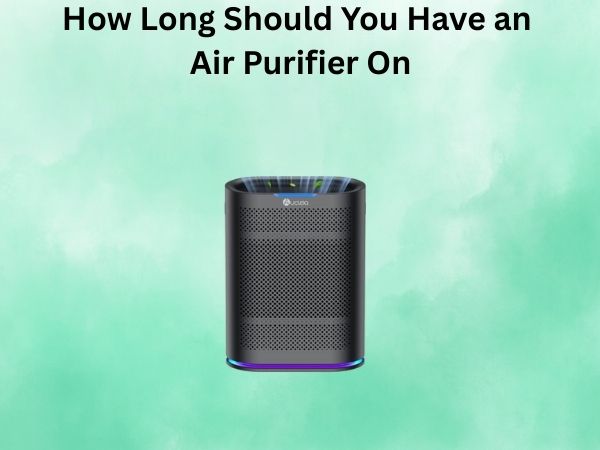
Bringing an air purifier home often leads to a key question: ‘For how long should I actually run it?’ It’s a valid concern, balancing the desire for fresh air with an eye on your utility bills. There isn’t a single correct answer. The best runtime for your air purifier is determined by multiple factors, which we’ll explore in depth throughout this comprehensive guide.
Think of an air purifier like a security guard for your indoor environment. You wouldn’t hire a security guard and then tell them to only work two hours a day if you need protection 24/7. Similarly, how long you run your air purifier should be based on your actual needs and environmental conditions. Let me help you figure out what those needs really are.
Understanding Air Quality and Purifier Needs
Before we dive into specific hours, let’s talk about why this matters. Indoor air quality has become increasingly important, especially since we spend roughly 90 percent of our lives indoors. Whether you’re dealing with dust, pollen, pet dander, or pollution from outside, your air purifier is working to keep these particles out of your lungs.
The Connection Between Air Quality and Runtime
Your air quality isn’t static. It changes throughout the day based on activities like cooking, cleaning, or just people moving around and stirring up dust. A good air purifier needs to respond to these changes. If you have poor baseline air quality due to outdoor pollution or indoor sources, you’ll need longer operation hours. If you live in a relatively clean area and maintain good housekeeping habits, you might get away with fewer hours.
Daily Usage Recommendations for Different Scenarios
Let me break this down into practical scenarios that probably match your own situation.
For Average Households with Minimal Pollution
If you’re living in an area with decent outdoor air quality and you don’t have pets or smokers in your home, running your air purifier for 8 to 12 hours daily should be sufficient. This typically means running it during your waking hours or throughout the night while you sleep. Many people find that turning it on when they get home from work and running it until bedtime works perfectly for their lifestyle.
For Homes with Pets or Allergies
Pet owners and allergy sufferers are in a different boat. Your air purifier should be working harder and longer. I’d recommend 12 to 16 hours of daily operation. Pet dander doesn’t disappear on its own, and if someone in your home has allergies, those airborne particles are constantly irritating their respiratory system. Running your purifier throughout most of your waking hours and during sleep makes sense here.
For Highly Polluted Environments
If you’re near a highway, in an industrial area, or living somewhere with significant outdoor air pollution, your air purifier should basically be your best friend. I’m talking 16 to 24 hours of operation daily. Some people in these situations run their purifiers continuously, and honestly, that’s not unreasonable given the circumstances.
Continuous Operation vs. Scheduled Use
Here’s where things get interesting. Should you leave your air purifier running all the time, or is scheduled operation better? The answer depends on your priorities and your situation.
The Case for Continuous Operation
Running your air purifier continuously means you’re constantly removing contaminants from the air. This is especially beneficial if you have asthma, severe allergies, or respiratory conditions. Your air quality remains consistently high throughout the day and night. The downside is your electricity bill will reflect the continuous operation, and your filters will wear out faster, requiring more frequent replacements.
The Case for Scheduled Operation
Strategic scheduling means you run your purifier when you need it most, which can significantly reduce energy costs. Most people don’t need the same level of air purification at 2 AM when they’re sleeping as they do during the day when activities like cooking and cleaning stir up particles. Scheduled operation can be a smart middle ground that saves money while still maintaining acceptable air quality.
Factors That Determine Purifier Operating Hours
Several variables should influence your decision about how long to run your air purifier. Let’s examine each one.
Your Geographic Location
Where you live matters tremendously. Someone living in a rural area with clean air has different needs than someone living in a major city with traffic congestion. Check your local air quality index (AQI) regularly. On days when the AQI is high due to pollution or wildfire smoke, crank up that purifier’s runtime. On cleaner days, you can dial it back.
Indoor Activities and Lifestyle
What you do inside your home directly impacts how hard your air purifier needs to work. Do you cook with gas stoves? Do you light candles or use fireplaces? Do you have hobbies that generate dust, like woodworking? Do you exercise indoors? All these activities release particles that your purifier needs to tackle. If you’re active and your home is bustling with activity, longer operation hours are necessary.
Number of Occupants
More people means more dust, more dead skin cells, more breathing out moisture and carbon dioxide. A home with six people has different air quality challenges than a home with one person. The more occupants, the longer you should run your air purifier.
Room Size and Air Changes Per Hour
Here’s something technical but really important: air changes per hour, or ACH. This refers to how many times your air purifier completely cycles all the air in your room through its filter.
Understanding ACH in Your Space
A high-quality air purifier might achieve 4 to 5 air changes per hour in a smaller bedroom. That means it cycles all the air in that room 4 to 5 times every hour. In a larger living room, the same purifier might only achieve 2 to 3 air changes per hour because there’s more air to clean.
For general air quality maintenance, most experts suggest you want at least 3 to 4 air changes per hour. If your purifier can only achieve 2 air changes per hour in your space, you’ll need to run it longer to compensate. Check your purifier’s specifications and match them against your room size. If there’s a mismatch, adjust your runtime accordingly.
Filter Lifespan and Operating Duration
Every hour your air purifier runs, it’s working its filters a little harder. This is an important practical consideration.
How Runtime Affects Filter Life
If your filter is rated for 6,000 hours of use and you run your purifier 24 hours daily, that filter will last about 250 days, or roughly 8 months. If you run it just 8 hours daily, that same filter could last nearly 2 years. This is an important calculation because replacement filters can be expensive, and you want to balance air quality with maintenance costs.
Strategic Filter Maintenance
I recommend scheduling regular filter checks regardless of how long you run your purifier. A clogged filter becomes ineffective, so you’re not getting the benefit of running it at all. Clean or replace filters according to your purifier’s instructions and your observations of filter discoloration and air flow.
Energy Consumption Considerations
Let’s talk money. Air purifiers consume electricity, and that cost adds up over time.
Calculating Your Power Usage
Most air purifiers consume between 30 and 100 watts when running, depending on the model and fan speed. If you run a 50-watt purifier for 12 hours daily, that’s 600 watt-hours or 0.6 kilowatt-hours per day. At an average electricity rate of $0.12 per kilowatt-hour, that’s about $26 per year. Running it 24 hours would double that cost to around $52 annually. These aren’t huge numbers, but they’re worth factoring into your decision.
Energy-Efficient Models
If you’re planning to run your purifier many hours daily, investing in an energy-efficient model might actually save you money in the long run. Look for units with sleep modes or smart sensors that adjust speed based on detected air quality. These features can reduce energy consumption by 20 to 30 percent compared to traditional models running at constant speed.
Seasonal Adjustments for Air Purifier Use
Your air quality needs change with the seasons, and your air purifier usage should reflect that.
Spring and Fall Allergy Seasons
During spring and fall when pollen counts are high, extending your air purifier’s runtime is smart, especially if you suffer from seasonal allergies. You might increase from your standard 10 hours daily to 14 or 16 hours during peak pollen season.
Summer Air Quality Issues
Summer brings heat and often increased outdoor air pollution. Wildfire smoke, ground-level ozone, and other pollutants are more common during warmer months. Keeping your air purifier running longer helps mitigate these issues, especially if you’re in a region prone to summer air quality problems.
Winter Considerations
Winter is when homes are sealed tight against the cold, which means outdoor pollutants can’t escape easily. Additionally, heating systems can dry out air and circulate dust. Running your purifier consistently throughout winter makes sense. Some people increase their runtime during winter months.
Health Conditions and Extended Operation
If anyone in your household has specific health conditions, that should heavily influence your decision.
Respiratory Conditions and Asthma
People with asthma or chronic respiratory conditions benefit significantly from cleaner air. If this applies to your household, I’d recommend running your purifier 16 to 24 hours daily, especially during the sleeping hours when respiratory distress can be worse. The investment in extended operation could literally improve someone’s quality of life.
Immune System Considerations
Immunocompromised individuals are particularly vulnerable to airborne pathogens and allergens. Extended air purifier operation is a reasonable precaution for protecting their health. Discuss this with their healthcare provider to determine the optimal runtime for their specific situation.
Nighttime Air Purifier Usage
Sleep quality is deeply connected to air quality. What you breathe while sleeping matters.
The Benefits of Nighttime Operation
Running your air purifier during sleep hours, especially at a lower fan speed, can improve sleep quality by reducing airborne irritants. Many people find that cleaner air helps them breathe easier, reduces nighttime congestion, and leads to better overall sleep. If you do nothing else with your purifier, at minimum run it during your sleeping hours.
Noise Considerations
If noise is a concern, look for purifiers with a sleep mode or whisper-quiet operation. These models are specifically designed for bedroom use and won’t disturb your sleep even when running all night.
Smart Monitoring and Automatic Settings
Modern air purifiers have become smarter, and many include features that help you optimize runtime without guesswork.
Air Quality Sensors
Many contemporary air purifiers include sensors that detect air quality in real-time. These models automatically adjust fan speed based on detected pollution levels. This is brilliant because your purifier works harder when it detects poor air quality and scales back when air is cleaner. You get optimal air quality with less energy waste.
Smart Home Integration
Some purifiers connect to smart home systems, allowing you to schedule operation based on your patterns. You could set your purifier to run on a specific schedule, increase runtime when you’re home, or decrease it when you’re away. This level of control helps you balance air quality with cost and convenience.
Common Mistakes in Air Purifier Operation
People make several predictable mistakes when using air purifiers. Let me help you avoid them.
Setting It and Forgetting It
Some people turn on their purifier once and assume it’s working indefinitely. Filters get clogged, efficiency drops, and you’re paying for an appliance that’s barely functioning. Check your purifier regularly and replace filters on schedule.
Closing All Doors and Windows
An air purifier works best when air can circulate freely. Closing all your doors cuts off air flow and reduces effectiveness. Keep bedroom doors open (if safe to do so), maintain general circulation, and position your purifier in a central location.
Running it Only When Noticeable Pollution Occurs
Waiting until you can see dust or smell something bad is waiting too long. Air quality degrades gradually, and consistent operation prevents buildup better than intermittent use. It’s like brushing your teeth daily rather than only when you notice cavities.
Ignoring Humidity Levels
Some purifiers with HEPA filters work less effectively in very dry air. If your home is excessively dry, using a humidifier alongside your purifier can actually improve overall performance. Conversely, in very humid environments, the purifier’s effectiveness might decrease slightly.
Cost-Effective Running Strategies
You want clean air without breaking the bank. Here are practical strategies to achieve that balance.
Variable Speed Operation
Instead of always running at maximum speed, use lower speeds during times when air quality is decent. Run the high speed when cooking or during high-activity times, and dial it back during quieter periods. This extends filter life and reduces energy costs while maintaining reasonable air quality.
Zoning Your Home
Instead of purifying your entire home, focus on the zones where you spend the most time. Running a purifier in your bedroom at night and in your living room during the day is more efficient than trying to purify a whole house with one unit.
Complementary Practices
Reduce your air purifier’s workload through good habits. Vacuum regularly with a HEPA filter vacuum, dust surfaces frequently, maintain good ventilation when weather permits, and avoid indoor smoke and excessive candle burning. The less work your purifier has to do, the fewer hours it needs to run.
Conclusion
So, how long should you