How Long for an Air Purifier to Clean a Room: A Complete Guide
Ever found yourself wondering how long your new air purifier truly takes to make a difference? It’s a common question. Many of us invest in these devices hoping for instant clean air, only to discover the process isn’t always immediate. The reality is, the exact time an air purifier needs to effectively purify your space is influenced by several key factors, making the answer far from straightforward.
Understanding Air Purifier Cleaning Times
When we talk about an air purifier cleaning a room, we’re essentially discussing how long it takes for the device to cycle through the air in your space and remove contaminants like dust, allergens, pet dander, and pollutants. Think of it like a washing machine for your air—it needs multiple cycles to get everything clean, and the time varies based on numerous circumstances.
The Basic Timeline: What to Expect
Here’s where things get practical. Most modern air purifiers can clean a room in anywhere from thirty minutes to three hours. That’s quite a range, isn’t it? The variation depends largely on the size of your room and the power of your purifier. A small bedroom with a powerful HEPA filter might take just half an hour, while a large living room with a basic purifier could take several hours to achieve noticeably cleaner air.
The Role of CADR Ratings in Cleaning Time
CADR stands for Clean Air Delivery Rate, and it’s essentially the speed at which your purifier can filter air. Think of it as the horsepower of your air cleaning system. A higher CADR rating means your purifier moves air through its filters faster, resulting in quicker room cleaning times. If your purifier has a CADR rating of 300 or above, you’re looking at relatively speedy performance. Lower ratings might mean you’re waiting longer for that fresh air feeling.
Room Size and Square Footage Calculations
The square footage of your room is perhaps the most critical factor in determining cleaning time. An air purifier designed for a small 100-square-foot bedroom will struggle to effectively clean a sprawling 500-square-foot open concept living area. Most manufacturers recommend specific room sizes for each model, and that’s not just marketing talk—it’s legitimate science. When you use a purifier in a space larger than its rated capacity, you’re essentially asking it to work harder and longer.
Factors That Influence Air Purification Speed
Initial Air Quality and Pollution Levels
This might surprise you, but how dirty your air is when you start makes a significant difference. If your room is freshly cleaned and relatively pollution-free, your purifier might reach optimal air quality faster. Conversely, if you’ve just cooked a heavy meal, lit several scented candles, or have pets that shed heavily, your purifier has more work to do initially. It’s like cleaning a slightly dusty room versus one where someone just had a renovation project—the workload is completely different.
Filter Quality and Condition
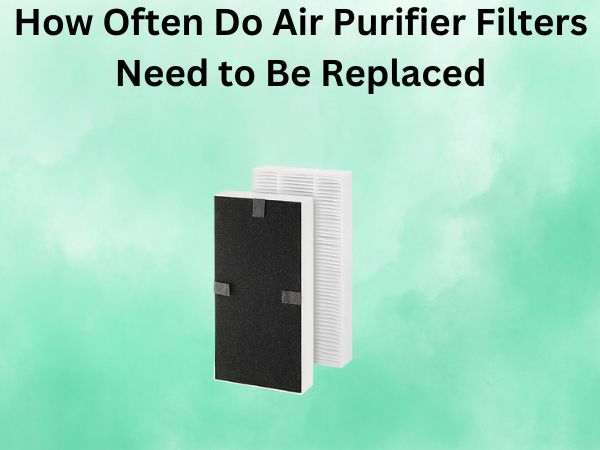
A brand new filter operates at peak efficiency, but as time passes, it accumulates dust and debris. An old, clogged filter that hasn’t been replaced in months will take significantly longer to clean your room than a fresh one. This is why manufacturers recommend regular filter replacements—usually every three to six months depending on usage and air quality. An unmaintained purifier is like trying to drive with your engine clogged with dirt.
Door and Window Conditions
Are your windows and doors sealed tightly, or does your room have gaps where outside air constantly flows in? Open windows and doors introduce new contaminants even as your purifier works. You can’t effectively clean a room while continuously introducing pollution from outside. For optimal results, you’ll want your space reasonably sealed during purification cycles.
Air Circulation Patterns and Room Layout
Not all rooms are created equal. A simple rectangular bedroom circulates air differently than an L-shaped living room with multiple levels. Furniture placement, ceiling height, and whether you have fans running all impact how evenly the air purifier can work throughout the space. Some areas might reach clean air status before others, depending on circulation patterns.
Different Purifier Types and Their Cleaning Times
HEPA Filter Purifiers
HEPA filters are the gold standard in air purification, capable of trapping 99.97 percent of particles 0.3 micrometers or larger. These tend to offer moderate cleaning times because they’re highly effective, though they do create some air resistance. Expect a small to medium room to be cleaned in one to two hours with a quality HEPA unit.
Activated Carbon Filters
These excel at removing odors and gases rather than particles. If you’re mainly concerned with cooking smells or pet odors, activated carbon filters work relatively quickly because they’re not filtering physical particles. However, for comprehensive air cleaning, they’re often combined with HEPA filters, which extends the overall cleaning time.
UV and Ionizer Purifiers
Ultraviolet light purifiers and ionizers work through different mechanisms than mechanical filters. UV purifiers kill bacteria and viruses, while ionizers negatively charge particles to make them heavier and cause them to fall out of the air. These can work relatively quickly for specific contaminants but may not be as comprehensive as HEPA-based systems.
Photocatalytic Oxidation Purifiers
These advanced systems use light to activate a catalyst that breaks down pollutants. They’re highly effective but often work at a steady pace rather than providing rapid results. Expect moderate cleaning times similar to HEPA units.
How Air Changes Per Hour Impact Cleaning Time
Air changes per hour, or ACH, measures how many times a purifier completely cycles the air in your room each hour. A purifier with four ACH means it theoretically cleanses all the air in your room four times in sixty minutes. Most experts recommend at least three to five ACH for effective purification. If your purifier only manages one ACH, you’re looking at significantly longer cleaning times because it’s taking four to five hours just to process all the air once.
To calculate ACH, you divide the CADR rating by your room’s volume. It’s simple math that reveals whether your device is properly sized for your space. If the calculation shows your ACH is too low, you know cleaning will take longer than ideal.
Real-World Scenarios and Timeframes
Small Bedroom Cleaning
A typical small bedroom of about 120 square feet with a decent purifier rated for that size will usually reach optimal air quality in thirty to forty-five minutes. This assumes the room started relatively clean and you’re not continuously introducing new pollutants.
Medium Living Room Cleaning
A standard living room around 250 square feet with an appropriately sized purifier needs roughly one to two hours to reach noticeably cleaner air. You might start breathing easier after thirty minutes, but complete purification takes longer.
Large Open Concept Space
If you have a sprawling 400-plus square foot open concept area, you’re looking at two to four hours with a properly sized purifier. Oversized rooms are where purifiers struggle most because the air volume is simply too large to process quickly.
After Cooking or Smoke Events
When you’ve just finished cooking, burned something, or have smoke in the air, expect cleaning times to increase significantly. Your purifier has to work overtime removing all those particles and odors. What normally takes one hour might take three to four hours after a cooking incident.
Maximizing Your Air Purifier’s Efficiency
Optimal Placement Strategies
Where you put your purifier matters tremendously. Placing it in a corner is often ineffective because air isn’t flowing through it efficiently. Instead, position your purifier in a central location where it can pull air from multiple directions. Avoid placing it directly against walls, and keep it at least a foot away from obstacles. Think of it like positioning a speaker in your room—you want the sound, or in this case, cleaned air, to distribute evenly.
Regular Maintenance Practices
Changing filters on schedule is non-negotiable if you want consistent cleaning times. A dirty filter dramatically increases the time needed to clean your room. Additionally, wipe down the exterior intake vents regularly to prevent dust buildup that impedes airflow.
Running Your Purifier Strategically
Many people make the mistake of running their purifier intermittently. For faster results, run it continuously for the first few hours after turning it on. Once you’ve achieved clean air, you can reduce it to medium speed for maintenance. During high-pollution events like cooking or if you have guests over, running it on high speed helps reach clean air faster.
Using Fan Speed Effectively
Most purifiers have multiple speed settings. Running on high uses more electricity but cleans faster. Running on low is quieter but takes longer. The relationship is straightforward: higher speeds equal faster cleaning, though the difference between high and medium might only be ten to twenty percent in terms of actual cleaning time.
Does Running Time Affect Air Quality Results
An interesting question arises: does running your purifier longer actually make the air cleaner, or is there a point of diminishing returns? The answer is nuanced. Yes, continuous operation helps maintain air quality and catches new pollutants, but the most dramatic improvements happen in the first one to three hours. After that, you’re mostly maintaining the clean air you’ve already achieved.
Think of it like taking a shower. The first few minutes remove the most dirt, but you keep showering to ensure you’re completely clean. Similarly, your purifier achieves most of its cleaning within a few hours, but extended operation ensures consistent air quality throughout your space.
Seasonal Variations in Cleaning Time
Spring and Fall Allergy Seasons
During high-pollen seasons, your purifier faces increased workload. What normally takes one hour might take two because there are simply more particles to filter. If you have severe allergies, you might notice cleaning times increase noticeably during peak pollen months.
Winter and Summer Considerations
In winter, fewer windows are open, so less outside pollution enters, potentially reducing cleaning times. In summer, if you frequently open windows for ventilation, you’re continuously introducing new contaminants, which can extend the time needed to achieve consistently clean air.
Comparing Purifier Models and Efficiency
Premium models with high CADR ratings and advanced filtration systems will consistently outperform budget options. A high-end purifier might clean a room in half the time of a budget model for the same space. However, you don’t always need the most expensive option—you just need one properly matched to your room size and air quality needs.
When comparing models, focus on the CADR rating, the filter type, the manufacturer’s recommended room size, and real customer reviews about cleaning effectiveness. Don’t just look at price; look at value.
Conclusion
So how long does it actually take for an air purifier to clean a room? The honest answer is that it depends on several interconnected factors. You’re looking at anywhere from thirty minutes to four hours for most household scenarios, with the typical range being one to two hours for properly sized units in standard rooms.
The key to getting fast, effective air purification is matching your purifier to your room size, maintaining filters religiously, placing the unit strategically, and understanding that the most dramatic improvements happen in the first few hours of operation. Your air purifier isn’t a magic device that instantly cleanses all air the moment you turn it on, but it’s a powerful tool that becomes increasingly effective the more you understand how it works.
By considering the CADR rating, your room’s square footage, air quality conditions, and filter maintenance, you can develop realistic expectations and optimize your purifier’s performance. Start your purifier when you need clean air, run it on appropriate settings for your needs, and remember that consistent operation beats sporadic use every time.
Frequently Asked Questions
Can I use my air purifier in a room larger than the manufacturer recommends?
Technically yes, but it won’t perform optimally. Using a purifier in a space larger than its rated capacity means dramatically extended cleaning times—potentially double or triple what you’d experience in an appropriately sized room. The air simply takes longer to cycle through the filters. For best results, either choose a more powerful model or run the purifier continuously rather than expecting quick results.
Should I run my air purifier 24/7 to maintain clean air?
You don’t necessarily need to run it constantly on high speed, but continuous operation on medium or low speed provides excellent results. Many people run their purifiers during the day and while sleeping, which maintains consistently clean air without excessive electricity consumption. The best approach depends on your air quality needs and local pollution levels.
How often should I replace my air purifier filters?
Most HEPA filters need replacement every three to six months, depending on how much you use the purifier and your indoor air quality. Activated carbon filters might need more frequent replacement if you’re dealing with strong odors. Check your specific purifier’s recommendations, and remember that using an old filter dramatically extends cleaning times because airflow is restricted.
Why does my room still smell bad even after running the purifier for hours?
Certain odors require activated carbon filters to remove completely, as they’re gases rather than particles that HEPA filters catch. Additionally, if the smell source is still present—like a dirty litter box or cooking—the purifier is constantly fighting new odor introduction. Finally, your purifier might be undersized for your space, meaning it’s struggling to keep up with pollution being generated.
Does closing doors and windows really make a difference in purification time?
Absolutely. Open windows and doors constantly introduce new outdoor pollution, forcing your purifier to work harder and longer. A sealed room can be cleaned significantly faster than one with air leaks. For fastest purification, close doors and windows during operation, then you can safely open them once the air is clean.