How Long Should You Leave an Air Purifier On? A Complete Guide to Optimal Usage
Many new air purifier owners wonder about the ideal run time – should it be on constantly, or just for a few hours daily? This is a common question that arises frequently after investing in an air purification system for your home or office. While there isn’t a single correct answer, I’m here to help you discover the optimal usage for your specific situation.
Think of an air purifier like a security guard for your indoor air. Just as you wouldn’t necessarily need security around the clock in a quiet neighborhood, you might need more active air purification during busy seasons or in areas with poor outdoor air quality. The key is understanding your unique circumstances and making an informed decision based on real factors that affect your environment.
Understanding How Air Purifiers Work
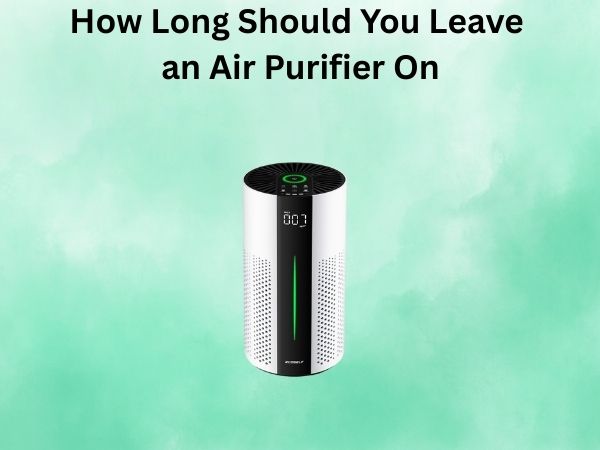
Before we dive into how long you should run your air purifier, let’s talk about what these devices actually do. An air purifier pulls air from your room through a series of filters—typically including a pre-filter, HEPA filter, and sometimes an activated carbon filter. Each filter layer captures different pollutants, from large dust particles to microscopic allergens and odors.
The efficiency of this process depends on several variables. Your purifier has a Clean Air Delivery Rate, commonly called CADR, which measures how quickly it can clean the air in your space. Think of it as the device’s “strength” rating. A higher CADR means the purifier can handle larger rooms or dirtier air conditions more effectively.
When you run your air purifier, it doesn’t just magically clean the air once and you’re done. It’s an ongoing process. Air continuously circulates throughout your space, and the purifier needs to cycle through it multiple times to achieve meaningful results. This is why duration matters just as much as the quality of your device.
Factors That Determine Operating Hours
Several important factors should influence how long you keep your air purifier running:
- Your local air quality index and outdoor pollution levels
- The size of the room or space you’re trying to purify
- The number of people living in your home
- Whether anyone in your household has allergies or respiratory issues
- Pets and their shedding patterns
- Cooking habits and kitchen activities
- The age and condition of your air purifier’s filters
- Your energy budget and electricity costs
- Noise sensitivity during different times of day
Each of these elements plays a role in determining your ideal usage pattern. Someone living in a metropolitan area with heavy traffic pollution needs different purification habits than someone in a rural, clean-air region. Similarly, a household with multiple pets and smokers will benefit from more continuous operation than a single person with no respiratory concerns.
Running Your Air Purifier 24/7: Is It Necessary?
The Case for Continuous Operation
Many air purifier manufacturers and indoor air quality experts recommend running your device continuously, especially if you live in an area with poor air quality or if anyone in your household has asthma, allergies, or other respiratory conditions. The logic here is straightforward: pollutants don’t take breaks, so why should your purifier?
Continuous operation ensures that as new pollutants enter your space—whether through windows, doors, or simply from daily activities like cooking and cleaning—they’re immediately captured. This prevents buildup and maintains consistently clean air throughout your entire home. If you’re dealing with seasonal allergens or live somewhere with significant outdoor pollution, 24/7 operation can be genuinely beneficial.
The Case Against Round-the-Clock Running
On the flip side, running your air purifier constantly does increase energy consumption and your electricity bill. It also creates continuous noise, which some people find bothersome, especially in bedrooms or quiet spaces. Additionally, your filters will wear out faster, requiring more frequent replacements, which adds to long-term costs.
For people in relatively clean environments with no major respiratory concerns, 24/7 operation might be overkill. You could achieve most of the benefits with a more strategic approach that balances effectiveness with practicality and cost.
The Sweet Spot: Finding the Right Balance
In my experience, most people benefit from a middle-ground approach. Rather than thinking in terms of always on or always off, consider scheduling your air purifier strategically throughout the day. Here’s what I recommend:
If you’re in a moderately polluted area or have mild allergies, aim for at least 12 hours of operation daily. Run it during the times when you’re most active—morning hours when you’re getting ready, throughout the workday, and in the evening when the family is home. Consider running it for a few hours before bedtime to ensure clean air while you sleep.
For people with serious respiratory conditions or those living in areas with poor air quality, lean toward the 16 to 20-hour range daily. You don’t necessarily need a full 24 hours, but you want significant coverage during your active hours and while sleeping.
If your area has generally good air quality and you’re just concerned about dust and general freshness, 8 to 10 hours daily during peak activity times might suffice. Perhaps run it in the morning and evening, taking it easy during the middle of the day when you’re away.
Room Size and Air Purifier Capacity
Here’s something crucial that many people overlook: your room size relative to your purifier’s capacity dramatically affects how long you need to run it. A small air purifier in a large room is like trying to bail out a boat with a teaspoon—technically possible, but inefficient and exhausting.
Air purifiers are rated for specific room sizes based on their CADR values. Most modern units can completely cycle through a room’s air about 4 to 5 times per hour under optimal conditions. This means if your purifier is properly sized for your room, running it for just 3 to 4 hours daily might be sufficient to get multiple air changes.
However, if your purifier is undersized for your space, you’ll need to run it much longer to achieve the same number of complete air cycles. Conversely, if you have an oversized purifier, you can achieve your air purification goals in shorter timeframes.
I always recommend checking your purifier’s specifications against your room dimensions. Most manufacturers provide clear guidelines about coverage area. If your room exceeds the recommended size, either run the purifier longer or consider getting a more powerful model.
Air Quality Index and Seasonal Changes
Your local Air Quality Index, or AQI, should be your guide for adjusting operational hours seasonally. The AQI measures pollution levels on a scale from 0 to 500, with higher numbers indicating worse air quality.
- Good AQI (0-50): 6 to 8 hours daily should suffice
- Moderate AQI (51-100): 10 to 12 hours daily is reasonable
- Unhealthy for Sensitive Groups (101-150): 14 to 16 hours daily recommended
- Unhealthy (151-200): 18 to 20 hours daily, or continuous operation
- Very Unhealthy or Hazardous (201+): Continuous 24/7 operation recommended
Many areas experience seasonal variations. If you live somewhere with heavy pollution during winter months or wildfire smoke in summer, adjust your purifier’s schedule accordingly. During cleaner seasons, you can reduce operation time and give both your filters and your electricity bill a break.
Check your local AQI regularly through government websites or mobile apps. This takes the guesswork out of your decision and lets real data guide your choices.
Energy Consumption and Cost Implications
Let’s talk money. An average air purifier uses between 30 to 200 watts, depending on the model and fan speed. Running a 100-watt purifier continuously for a month costs roughly 72 kilowatt-hours, which at an average electricity rate of 12 cents per kilowatt-hour, comes to about nine dollars monthly.
Now, that might not sound like much, but over a year, you’re looking at over a hundred dollars just in electricity costs. Add filter replacements—which typically cost $30 to $100 every 6 to 12 months—and your annual expense climbs significantly.
By running your purifier strategically instead of continuously, you could potentially cut these costs in half or more. If you live in an area with expensive electricity rates, the savings become even more compelling. This is why finding your personal sweet spot between health benefits and energy efficiency matters so much.
That said, if someone in your household has serious health issues, the cost becomes a worthwhile investment. Health always trumps energy savings in my book.
Noise Levels and Continuous Operation
Air purifiers produce noise, and the longer they run, the more you notice it. Most models operate between 20 and 60 decibels depending on the fan speed. For perspective, 20 decibels is whisper-quiet, while 60 decibels is about as loud as normal conversation.
If you’re a light sleeper, running your purifier at full blast all night might disturb your rest, which defeats the purpose of having clean air while you sleep. Many modern air purifiers offer multiple fan speeds, including a quiet or sleep mode that operates at lower speeds but still provides air purification.
My suggestion is to use your purifier’s smart features or programmable options. Run it at high speed during the day when background noise is already present, then switch to low or medium speed in the evening and overnight. You’ll still get air purification without the noise disruption.
Health Benefits of Extended Use
The health argument for longer operation times is compelling. Regular air purification can significantly reduce airborne allergens, dust mites, pet dander, mold spores, and even some airborne viruses. For people with asthma or allergies, maintaining consistently clean air provides noticeable improvements in respiratory comfort and sleep quality.
Studies have shown that homes with continuous air purification report lower allergy symptoms and better overall respiratory health. If you have children with asthma or elderly family members with respiratory conditions, the health benefits often justify the energy costs.
Beyond allergies, cleaner air simply makes people feel better. Many users report improved sleep quality, fewer headaches, and better concentration when they’ve been breathing clean air. These quality-of-life improvements shouldn’t be underestimated when deciding on your purifier’s operating schedule.
Maintenance Schedules for Round-the-Clock Operation
If you decide to run your air purifier continuously or nearly continuously, you’ll need to be more diligent about maintenance. Filters trap pollutants, and the longer your device runs, the faster those filters accumulate debris.
Check your filters monthly, especially if you’re running the purifier constantly. Most HEPA filters need replacement every 6 to 12 months under normal use, but 24/7 operation might reduce this to every 3 to 6 months. Activated carbon filters typically need more frequent replacement than HEPA filters.
A clogged filter is essentially a useless filter. Once filters become saturated, they can’t capture new pollutants effectively, so your entire operation becomes pointless. Budget for regular filter replacements if you’re planning extended use, and keep extras on hand so you never run out.
Some newer air purifiers have filter replacement indicators that alert you when filters need changing. If your model has this feature, pay attention to these alerts. They’re designed based on typical usage patterns and give you reliable guidance.
When to Turn Off Your Air Purifier
There are legitimate situations where turning off your air purifier makes sense. If you’re away from home for extended periods, there’s no reason to waste energy purifying empty air. You might run it for a couple of hours before returning to freshen things up, but continuous operation while nobody’s home is pointless.
Similarly, if you’re opening windows to let in fresh air on a beautiful day, and your local AQI is good, you can turn off the purifier. Natural ventilation sometimes beats mechanical purification. However, if you’re in an urban area with significant outdoor pollution, keep your purifier running even with windows open, as outdoor air might actually be dirtier than your filtered indoor air.
During extremely low-pollution periods—after heavy rain that clears the air, or in seasons with excellent air quality—you can afford to run your purifier less frequently. Use your judgment and adjust based on current conditions.
Smart Scheduling Strategies
Modern air purifiers often include smart features like programmable timers, air quality sensors, and app controls. If your model has these features, take full advantage of them.
An air quality sensor automatically adjusts fan speed based on detected pollution levels. This means during cleaner periods, your purifier runs slower and quieter, and during high-pollution events, it automatically increases to maximum capacity. This is the most efficient approach because you’re always using exactly the right level of purification for your current conditions.
Programmable timers let you set specific on and off times that match your schedule. You might program your purifier to start an hour before you wake up, stay on during the day, then run for a couple of hours in the evening before switching to sleep mode for the night.
If you have a smart home system, some air purifiers integrate with platforms like Alexa or Google Home, allowing voice control and remote operation from your phone. This flexibility lets you adjust your purifier’s schedule without being home.
Common Mistakes People Make
I’ve seen people make several recurring mistakes with their air purifiers. First, they buy an undersized unit that can’t handle their room, then run it continuously hoping it will solve the problem. The solution isn’t more hours—it’s a bigger purifier.
Second, people set their purifier in a corner and expect it to clean their entire open-concept space. Air purifiers need good air circulation to be effective. Position yours centrally, away from walls, where air can flow around it freely.
Third, people ignore filter maintenance. Running a purifier with a completely clogged filter is useless. Check and replace your filters regularly, not just when you remember.
Fourth, people don’t adjust their schedules seasonally or based on current air quality. Being flexible and responsive to actual conditions is smarter than following a rigid schedule year-round.
Fifth, people close all windows and doors, thinking an air purifier alone will keep them healthy. Air purifiers work best as part of a comprehensive approach that includes occasional fresh air ventilation, regular cleaning, and other healthy indoor practices.
Final Recommendations
Based on everything we’ve discussed, here’s my practical recommendation for most households:
Start with 12 to 16 hours of daily operation. Run your purifier during morning hours, throughout your active day, and for several hours in the evening before bed. This covers your primary exposure times without excessive energy consumption.
If you or anyone in your household has respiratory conditions, allergies, or asthma, increase this to 16 to 20 hours daily, or consider 24/7 operation. The health benefits justify the expense.
Use your air purifier’s speed settings strategically. High speed during the day, medium during the evening, and low or sleep mode overnight. This maintains air quality while managing noise.
Check your local AQI weekly and adjust