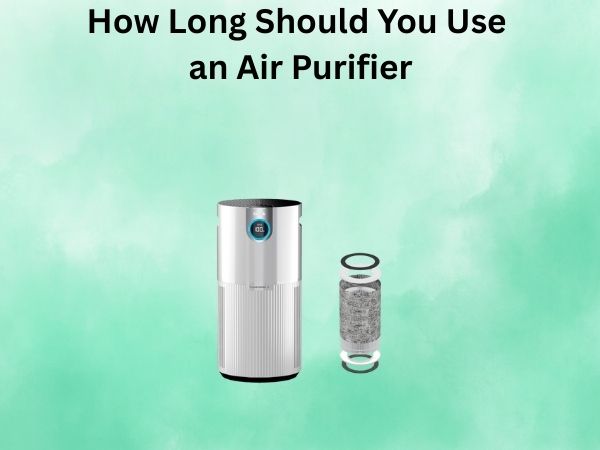
How Long Should You Use an Air Purifier? A Complete Guide to Optimal Usage
Just got an air purifier and wondering how long it should actually run daily? That’s a common and important question. The truth is, there isn’t a simple, universal answer. How long you need to use it varies greatly depending on your specific circumstances, your home’s unique environment, and your personal health requirements. This guide will clarify everything you need to understand for optimal usage.
Understanding Your Air Purifier’s Purpose
Before we dive into duration recommendations, let’s talk about what an air purifier actually does. Think of it like a bouncer at a nightclub, but instead of keeping rowdy people out, it’s filtering out particles and contaminants from your air. Your air purifier works by drawing in air, passing it through filters that trap pollutants, and releasing clean air back into your room. The longer it runs, the more air it can clean, but that doesn’t necessarily mean you need to run it 24/7.
The Basic Function of Air Purification
Air purifiers remove various particles from your indoor air, including dust, pollen, pet dander, smoke particles, and sometimes even bacteria and viruses. The effectiveness depends on your specific model, the filter quality, and how long the purifier operates. It’s essentially a continuous cleaning process that improves your air quality over time.
How Long Should You Run Your Air Purifier Daily?
Here’s where things get interesting. The ideal duration really depends on your specific circumstances, but I can give you some practical guidelines to work with.
Running It Throughout the Day
For most people living in average indoor environments, running your air purifier for 8 to 12 hours daily is a solid starting point. This is roughly the time you spend being actively awake and moving around your home. When you’re active, you’re stirring up more dust and particles, so having your purifier running during these hours makes sense. It’s like cleaning your house during the day rather than at night when nobody’s using it.
24/7 Operation: Is It Necessary?
Running your air purifier continuously isn’t always necessary, but it can be beneficial in certain situations. If you live in a heavily polluted area, suffer from severe allergies, have pets that shed constantly, or someone in your home has asthma or respiratory issues, then 24/7 operation might be worth considering. The continuous filtration means you’re constantly removing contaminants before they settle and accumulate.
Overnight Usage Considerations
Many people wonder whether they should keep their purifier running while sleeping. Running your air purifier in your bedroom at night can actually improve sleep quality by ensuring you’re breathing cleaner air. However, if your unit is loud, this might disrupt your sleep, which would defeat the purpose. Invest in a quieter model if you’re planning overnight use, or compromise by running it for a few hours before bedtime.
Factors That Influence How Long You Should Use Your Air Purifier
Your usage duration shouldn’t be arbitrary. Several factors should guide your decision about how long to keep your purifier running.
Indoor Air Quality Levels
The quality of your indoor air is the primary factor. If you live in a city with poor air quality or near busy roads, industrial areas, or construction sites, your air purifier should work longer. Conversely, if you live in a rural area with naturally clean air, you might get away with shorter operating periods. You can measure your air quality using an indoor air quality monitor, which many modern purifiers include.
Checking Your Air Quality Index
Most modern air purifiers have built-in sensors that display your current air quality. If your unit shows poor or moderate air quality, run it continuously until the index improves to good levels. Think of it like running a dishwasher—you don’t stop halfway if there’s still dirty water inside.
Allergen Seasons and Environmental Factors
During spring and fall, when pollen counts are high, you might want to increase your air purifier usage. Similarly, if someone in your household is sick with a cold or flu, running your purifier longer can help reduce airborne viral particles. Seasonal changes mean your air quality fluctuates, so your usage should too.
Pets and Family Size
More people and pets mean more particles in the air. Pet dander, human skin cells, and dust accumulate faster in busy households. If you have multiple pets or a larger family, longer operating times are justified. A single person living alone can probably get away with shorter durations.
Smoking and Indoor Pollutants
If anyone in your home smokes, vapes, or uses incense, your air purifier should run longer and possibly continuously. Smoke particles are particularly stubborn and require extended filtration to fully clear from your space. It’s one of the most legitimate reasons for extended air purifier usage.
Your Personal Health Needs
People with asthma, severe allergies, or compromised immune systems benefit from longer air purifier operation. Children and elderly family members are also more sensitive to air quality issues. If you fall into these categories, longer usage periods are warranted for health reasons.
Room Size and Air Changes Per Hour
Here’s something many people overlook: your air purifier’s capacity relative to your room size matters significantly.
Understanding CADR Ratings
CADR stands for Clean Air Delivery Rate, which measures how quickly your purifier can clean the air. It’s essentially how many cubic feet of clean air your purifier produces per minute. A higher CADR means your purifier works more efficiently and can clean a room faster. If your purifier has a high CADR rating, it might need less running time to achieve the same air quality improvement.
Matching Your Purifier to Your Space
If your purifier is oversized for your room, it can clean the air more quickly, and you might not need to run it as long. Conversely, an undersized purifier working in a large room needs extended operating time to be effective. Check your purifier’s recommended room size and compare it to your actual space.
Calculating Air Changes
Experts generally recommend 4 to 5 air changes per hour in residential spaces, and up to 6 to 8 in bedrooms. This means your air purifier should completely cycle all the air in your room 4 to 8 times daily. If your unit can change the air once every 20 minutes, you’d need about 1.5 to 2 hours to achieve 5 complete cycles. This calculation helps determine your minimum usage duration.
Different Usage Patterns for Different Spaces
Not all rooms need the same amount of air purification. Let me break down different scenarios.
Bedroom Usage Duration
For bedrooms, running your air purifier for 2 to 3 hours before sleep and throughout the night can significantly improve sleep quality. You’re not as active here, so you might not need 24/7 operation. If your unit is quiet, leaving it on all night works too.
Living Room and Common Areas
These spaces typically see the most activity and traffic. Running your air purifier for 8 to 12 hours during times when people are actively using the space makes practical sense. If you have guests frequently, extended operation during social gatherings is beneficial.
Kitchen Air Purification
Kitchens generate cooking fumes, steam, and odors. If you cook regularly, running your air purifier during and for 1 to 2 hours after cooking helps manage these pollutants. This is one area where timed usage truly excels because you don’t need continuous operation outside cooking times.
Home Office Considerations
If you work from home, running your purifier during work hours, roughly 8 to 10 hours daily, supports focus and productivity. Clean air improves cognitive function, making this a worthwhile investment of your electricity.
Energy Efficiency and Cost Considerations
Now let’s talk about the practical side: your electricity bill.
Power Consumption of Air Purifiers
Most residential air purifiers use between 30 to 200 watts of electricity, depending on their size and model. Smaller, more efficient units use far less than larger, high-powered ones. Running a 50-watt purifier 12 hours daily costs significantly less than running a 150-watt model continuously.
Finding Your Sweet Spot
Rather than running your purifier constantly, find a usage pattern that balances air quality benefits with energy costs. Many people discover that 8 to 12 hours daily provides excellent air quality without excessive electricity consumption. You might also consider running it only during high-pollution days or allergy seasons.
Smart Scheduling and Timers
Many modern purifiers come with timers and smart features allowing you to schedule operation automatically. You can program it to run during specific hours, reducing energy waste while maintaining good air quality. This feature alone can significantly reduce both costs and environmental impact.
Filter Maintenance and Its Impact on Usage Duration
How long your purifier runs also affects your filter maintenance schedule.
Filter Lifespan and Replacement Cycles
Running your air purifier continuously means filters accumulate particles faster and require more frequent replacement. If you run it 24/7, you might replace filters every 2 to 3 months. Running it 8 to 12 hours daily could extend filter life to 6 to 12 months depending on your air quality. Longer usage directly increases your filter replacement costs.
Balancing Cleanliness and Costs
Consider the total cost of ownership, not just the electricity bill. Frequent filter replacements add up quickly. Many people find that moderate usage—10 to 12 hours daily with quality filters—provides the best balance between air quality improvements and overall expenses.
Regular Filter Checks
Regardless of your usage duration, check your filters monthly. A clogged filter reduces efficiency and forces your purifier to work harder, using more electricity. Regular maintenance ensures your purifier works optimally, regardless of how long you run it.
Seasonal Changes in Air Purifier Usage
Your air quality doesn’t remain constant throughout the year, so your usage shouldn’t either.
Spring and Fall Allergy Seasons
During high pollen seasons, consider running your purifier 12 to 16 hours daily or continuously. The extra investment in electricity during these months pays off in improved health and comfort. Many people find relief from seasonal allergies simply by increasing purifier runtime during sensitive periods.
Winter Indoor Air Quality Issues
Winter brings its own challenges. Homes are sealed tight, preventing natural ventilation, while heating systems can dry out air and recirculate dust. Running your purifier longer during winter months helps combat these winter-specific air quality problems.
Summer Outdoor Pollution Considerations
Summer might bring wildfire smoke, ozone formation, or high pollen counts. If you live in areas affected by seasonal outdoor pollution, adjust your purifier usage accordingly. Extended operation during pollution events makes perfect sense.
Special Circumstances Requiring Extended Use
Certain situations warrant nearly continuous air purifier operation.
Illness and Viral Outbreaks
When someone in your household is sick, running your purifier continuously can help reduce airborne pathogens. Medical research supports this approach, especially for respiratory infections. The extra electricity cost is minimal compared to potential health benefits.
Severe Allergies and Asthma Management
People with severe allergies or asthma should run their purifiers at least 12 hours daily, preferably continuously in their bedroom. The health benefits far outweigh the minimal electricity costs. Your health is worth the investment.
Home Renovation and Construction
If you’re renovating or dealing with nearby construction, run your air purifier continuously or for most of the day. Construction generates enormous amounts of dust and particles that can irritate your respiratory system. Extended operation during these periods is absolutely justified.
Technology Features That Simplify Duration Decisions
Modern air purifiers offer features that help optimize usage duration without guesswork.
Smart Air Quality Sensors
Purifiers with built-in air quality sensors automatically adjust their fan speed based on current air quality. This “smart” approach means your purifier works harder when needed and uses less energy when air quality is good. You don’t need to decide on duration—the purifier does it for you.
Auto Mode Benefits
Most modern purifiers offer an auto mode that continuously monitors air quality and adjusts performance accordingly. Using auto mode is often the best approach because it optimizes both air quality and energy consumption without requiring manual adjustments.
Sleep Mode and Quiet Operation
Sleep modes on modern purifiers run at low, quiet speeds, perfect for 24/7 operation. If you want continuous air purification without the noise, sleep mode allows you to run your purifier all night without disruption.
Common Mistakes People Make with Air Purifier Duration
Let me highlight some common errors to help you avoid them.
Running It Too Little
Some people underestimate how long their purifier needs to operate. Turning it on for just an hour or two daily often isn’t sufficient to meaningfully improve air quality, especially in larger rooms or heavily polluted environments. You’re essentially running it just enough to stir up air without properly filtering it.
Ignoring Seasonal Variations
Another mistake is using the same duration year-round regardless of seasonal air quality changes. Your purifier usage should flex with environmental conditions. More usage during high-pollution or high-allergy periods makes logical sense.
Not Considering Room Size
People often place small purifiers in large rooms and expect excellent results with minimal runtime. If your purifier’s capacity doesn’t match your space, even continuous operation might not fully clean the air. Check your unit’s coverage specifications.
Creating Your Personal Air Purifier Schedule
Let me help you determine your ideal usage duration with a practical framework.
Assessing Your Specific Situation
Ask yourself these questions: Do I have allergies or respiratory issues? Do I live in a polluted area? Do I have pets? Is someone in my home frequently sick? Do I cook a lot? The more “yes” answers, the longer you should run your purifier.
Starting With a Test Period
Begin with 12 hours daily for two weeks and monitor how you feel. Track any changes in allergy symptoms, sleep quality, or respiratory comfort. If you notice significant improvements, great—maintain that schedule. If you feel no difference, you might not need extended operation or your unit might not match your needs.
Adjusting Based on Results
Once you establish a baseline, adjust duration based on actual results and seasonal changes. You’re essentially finding your sweet spot where air quality improvements align with your comfort and budget.
Conclusion
So, how long should you use your air purifier? The honest answer is: it depends. For most people