How Many Air Purifiers Should I Have? A Complete Guide to Clean Air in Every Room
Have you ever truly considered the quality of the air you breathe daily within your own home? Most of us don’t give it much thought, often assuming that opening a window or lighting a scented candle is enough to keep things fresh. But here’s a surprising truth: indoor air can be two to five times more polluted than outdoor air. This is exactly why air purifiers come in, and the question of how many you need for optimal clean air isn’t as straightforward as you might initially believe.
The answer depends on several factors unique to your living situation. Your home’s size, the number of rooms you spend time in, your family’s health needs, and even your budget all play crucial roles in determining the ideal number of air purifiers for your space. In this guide, I’ll walk you through everything you need to know to make an informed decision.
Understanding Why You Might Need Multiple Air Purifiers
Think of air purifiers like air conditioners—you wouldn’t typically use just one unit to cool your entire house if you have multiple bedrooms and a sprawling living area, right? The same logic applies to air purification. A single purifier, no matter how powerful, can only effectively clean the air within a specific radius.
Most air purifiers are designed to cover a certain square footage, usually ranging from 200 to 1,500 square feet, depending on the model’s strength and filtration system. When you place one purifier in your living room, it’s working hard to clean that space, but the air in your bedroom, kitchen, and home office remains largely unaffected. If you’re serious about breathing clean air throughout your entire home, you’ll likely need more than one unit.
Factors That Determine How Many Air Purifiers You Need
The Size of Your Home
Your home’s square footage is perhaps the most obvious factor. A studio apartment or small one-bedroom home might be adequately served by a single high-capacity air purifier. However, if you’re living in a three-bedroom house or a spacious apartment, you’re looking at needing multiple units.
Here’s a practical breakdown:
- Studio or one-bedroom (under 600 sq ft): 1 purifier
- Two-bedroom (600-1,200 sq ft): 1-2 purifiers
- Three-bedroom (1,200-1,800 sq ft): 2-3 purifiers
- Four-bedroom or larger (1,800+ sq ft): 3-4+ purifiers
These are general guidelines, but your actual needs might differ based on other factors I’ll discuss below.
The Rooms You Spend the Most Time In
Not all rooms are created equal when it comes to how much time you spend there. You probably spend roughly eight hours sleeping in your bedroom, another eight hours potentially working in an office, and the remaining hours scattered throughout your home.
Instead of trying to purify your entire house perfectly, you might prioritize the spaces where you and your family spend the most time. If you work from home, investing in a purifier for your office is smart. If you have young children, their bedroom is crucial. Your master bedroom definitely deserves attention since you’re breathing the air in that room for a third of your day.
Health Conditions and Sensitivities
If anyone in your household has asthma, severe allergies, respiratory conditions, or compromised immunity, you’ll want more aggressive air purification. In these cases, having purifiers in bedrooms and common living spaces becomes less of a luxury and more of a necessity.
People with these conditions benefit from consistently clean air, especially while sleeping. A well-positioned purifier in the bedroom can significantly improve sleep quality and reduce nighttime symptoms.
The Type and Level of Air Pollution in Your Area
Do you live near a busy highway? Is your city known for seasonal smog? Do you have pets that shed constantly? Are you dealing with mold issues due to humidity? These environmental factors increase your need for more air purification.
If you’re in an area with moderate to high outdoor pollution, even your indoor air will be more contaminated than in cleaner regions. Similarly, if you have multiple pets or live in a naturally humid climate, you’ll benefit from additional purification capacity.
Your Budget Constraints
Let’s be honest—air purifiers aren’t cheap, especially quality ones. A decent single-room purifier might cost between $100 and $300, while premium units can exceed $700. Adding multiple purifiers to your home is a significant investment.
You’ll need to balance your ideal air quality setup with what you can realistically afford. Maybe you start with one purifier in your bedroom and gradually add more as your budget allows. That’s a perfectly reasonable approach.
How to Choose the Right Size Purifier for Each Room
Understanding CADR Ratings
CADR stands for Clean Air Delivery Rate, and it’s essentially the speed at which an air purifier can clean the air in a given space. It’s measured separately for tobacco smoke, dust, and pollen, with higher numbers indicating faster cleaning.
The general rule is that an air purifier should be able to cycle the entire room’s air at least four to five times per hour. To figure out what CADR you need, multiply your room’s square footage by the desired air changes per hour. For example, a 200-square-foot bedroom needs a purifier with a CADR of around 800-1,000 to achieve five air changes per hour.
Matching Purifiers to Specific Rooms
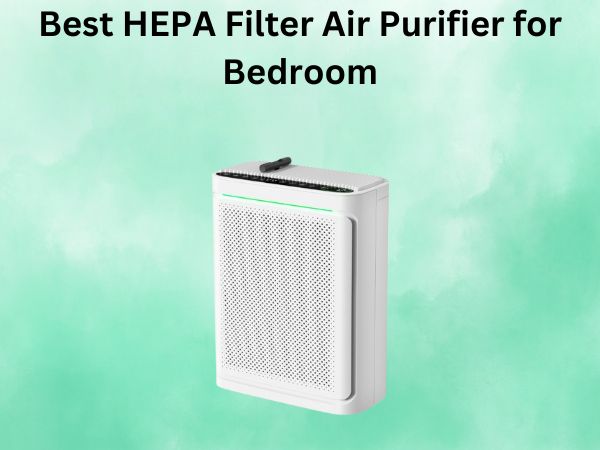
Your bedroom requires a purifier that’s quiet but effective. This is where noise matters significantly because you’ll be running it while sleeping. Look for models specifically designed for bedrooms that emphasize silent operation without sacrificing purification power.
Your living room or main common area can accommodate a larger, more powerful purifier since noise is less of a concern. These rooms typically have higher ceilings and more space, so you might need a unit with a higher CADR rating.
Home offices benefit from purifiers that are moderate in both size and noise level. You want something that works effectively without creating distracting background noise while you’re on video calls or trying to concentrate.
Strategic Placement Strategies
Even if you can’t afford to put purifiers in every room, smart placement can maximize their effectiveness. Position your purifier in the room where you spend the most time during your waking hours, and another in your bedroom for better sleep and nighttime air quality.
If you have a central hallway or open-concept living space, placing a purifier there can help it circulate cleaned air to adjacent rooms more effectively than if it were tucked in a corner.
Avoid placing purifiers against walls or in corners where air circulation is blocked. They need some breathing room to pull in contaminated air and push out clean air effectively. Most experts recommend placing them at least a few feet away from obstacles.
The Case for One High-Capacity Purifier Versus Multiple Units
Benefits of a Single Powerful Unit
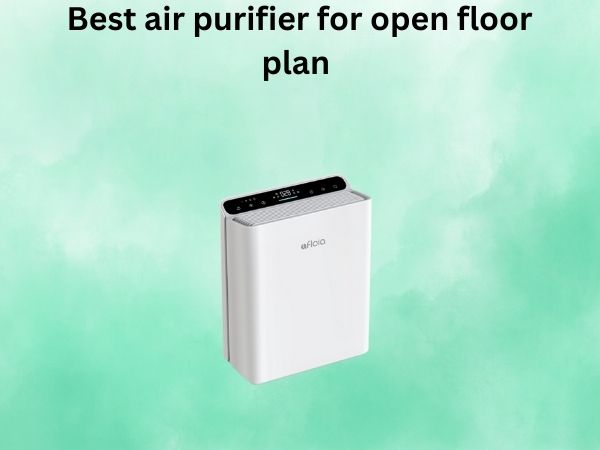
If your home has an open floor plan, a single high-capacity purifier might be sufficient. These units have impressive CADR ratings and can cover up to 1,500 square feet or more. They’re also cheaper overall than buying multiple units.
The downside? You’ll need to run it constantly, and it might struggle with reaching all corners of your space. Bedrooms and closed-off rooms won’t receive optimal air purification.
Benefits of Multiple Smaller Units
Multiple purifiers allow for targeted air cleaning in specific rooms. You get better coverage, especially for bedrooms and separate spaces. You can also adjust purification levels based on how much time you spend in each area.
The trade-off is higher upfront costs and the need to maintain and replace filters in multiple units. However, having purifiers in key locations typically delivers superior air quality where it matters most.
Specific Scenarios and Recommendations
Apartment Living
If you’re in an apartment, one quality purifier for your bedroom plus one for your main living area is usually ideal. This gives you clean air where you sleep and where you spend your free time. Some high-quality apartment-dwellers might get away with just one unit in their bedroom if they spend most evenings there.
Family Homes with Children
Families with kids should prioritize children’s bedrooms and the main play area. Children’s developing lungs are more susceptible to pollution, so investing in purifiers for their spaces is important. A living room purifier is also valuable since that’s where the family spends time together.
Pet Owners
If you have multiple pets, you’ll want at least two purifiers. Pets shed fur and dander constantly, which are common allergens. One purifier in the bedroom helps you sleep without breathing pet allergens, and another in the main living space keeps your shared areas fresher.
Allergy and Asthma Sufferers
People with these conditions benefit from purifiers in their bedroom and primary living spaces. Running them continuously can significantly reduce symptom triggers. You might even consider three units if you have the budget—bedroom, office, and living room.
Home Offices
With remote work becoming more common, a dedicated purifier in your home office isn’t extravagant—it’s practical. You’re spending six to eight hours a day breathing that air, so making it clean is worthwhile. This is especially true if your home office is separated from your main living area.
Installation Tips for Maximum Effectiveness
Once you’ve decided how many purifiers you need, placement and usage matter tremendously. Ensure air can flow freely around each unit. Don’t stack items on top of them or place them directly against walls.
Run your purifiers consistently, not just occasionally. Many people buy them and then forget to use them regularly. The air quality benefits only come from continuous operation. Set them to run on high when you’re in the room and lower settings when you’re away to save energy.
Keep windows closed while running your purifiers, especially if you’re in an area with outdoor pollution. Open windows allow contaminated air to enter, undermining your purifier’s efforts.
Maintenance and Long-Term Costs
Remember that air purifiers require ongoing maintenance. Filters need regular replacement, typically every three to twelve months depending on usage and air quality. Plan for these replacement costs when deciding how many units to purchase.
A single purifier with a $40 filter replacement every six months is manageable. Three purifiers, however, means three filters to replace, which adds up. Factor these costs into your decision about how many units make sense for your budget.
Also consider electricity costs. Running multiple purifiers continuously does consume energy, though modern units are increasingly efficient. A single large purifier versus multiple smaller ones might actually use similar amounts of electricity, so this isn’t always a deciding factor.
Modern Alternatives and Complementary Solutions
Air purifiers aren’t your only option. Improving ventilation, using plants strategically, and maintaining humidity levels also contribute to air quality. However, for people with allergies or respiratory issues, purifiers are the most effective solution.
Some newer HVAC systems include built-in purification, which can be a game-changer if you’re renovating or building new. This central approach eliminates the need for multiple standalone units throughout your home.
Conclusion
So, how many air purifiers should you have? There’s no universal answer, but the most honest response is: it depends on your specific situation. If I had to give a general recommendation, I’d say most homes benefit from having at least two purifiers—one in the bedroom for better sleep and one in the main living area where your family spends time together.
If you have health conditions, pets, or live in a polluted area, three or more purifiers would be worthwhile. If you’re in a small apartment or have a tight budget, starting with one high-quality unit in your bedroom is a smart first step. You can always add more later as your budget allows.
The key is prioritizing the spaces where you spend the most time and ensuring you invest in quality units that actually deliver on their promises. Cheap purifiers that don’t effectively clean the air are a waste of money, regardless of how many you buy. Start smart, maintain your filters, and you’ll breathe easier knowing you’re taking air quality seriously in your home.
Frequently Asked Questions
Can one air purifier clean multiple rooms if I leave doors open?
Technically, an air purifier can circulate somewhat into adjacent rooms if doors are open, but its effectiveness diminishes significantly with distance. The farther the air has to travel, the less efficiently it’s cleaned. While a single powerful purifier might help maintain moderate air quality in adjacent rooms, it won’t provide the same level of purification as having a dedicated unit in each space. For optimal results, especially for bedrooms or if anyone has respiratory issues, separate purifiers are recommended.
Is it better to run one purifier continuously or multiple purifiers on rotating schedules?
Continuous operation of appropriately-sized purifiers is always better than rotating schedules. Air quality improves with consistent purification, not intermittent treatment. If you have multiple purifiers, run them all as needed based on the rooms where people are present. The electricity savings from rotating them usually isn’t significant enough to justify compromised air quality, especially if anyone in your home has health sensitivities.
How do I know if I need more purifiers than I currently have?
Pay attention to symptoms. If you’re experiencing more allergies, asthma symptoms, or sleep issues in specific rooms, that’s a signal you need a purifier there. You can also use an air quality monitor to check pollution levels in different rooms. If some areas show consistently higher pollution than others, adding a purifier to those spaces makes sense. Generally, if you’re not seeing health improvements after two weeks of use, you might need additional coverage.
Are expensive air purifiers worth it compared to budget models?
Yes, quality matters significantly with air purifiers. Premium models typically have better filtration systems, higher CADR ratings, quieter operation, and longer-lasting filters. A cheaper purifier might not actually clean your air effectively, making it a false economy. That said, you don’t need the most expensive option—look for mid-range models from reputable brands with verified CADR ratings. Investing in fewer high-quality units beats buying many cheap ones that don’t perform well.
Should renters invest in multiple air purifiers?
Absolutely. Air purifiers are portable and take them with you when you move, making them perfect for renters. Even if you don’t own the space, investing in better air quality is an investment in your health. Start with one or two units in your bedroom and main living area. They don’t require installation, just a power outlet, so they’re renter-friendly and can follow you through multiple homes.
“`