How Long To Charge Robot Vacuum: A Quick Guide
Most robot vacuums need between 2 to 6 hours to charge fully. This initial charge ensures your robot has enough power for its first cleaning cycle. Many models will indicate when they are fully charged, so you don’t have to guess.
Understanding your robot vacuum’s charging needs is key to its performance. Factors like battery size and model type can influence the exact charging time. We found that consistently charging your robot helps maintain its battery health for longer.
- Full charge typically takes 2-6 hours.
- Check your model’s manual for specifics.
- Initial charge is important for performance.
- Consistent charging benefits battery life.
Below, we’ll walk you through exactly how long to charge your robot vacuum and what to look for to keep it running smoothly.
How Long Do Robot Vacuums Take to Charge?
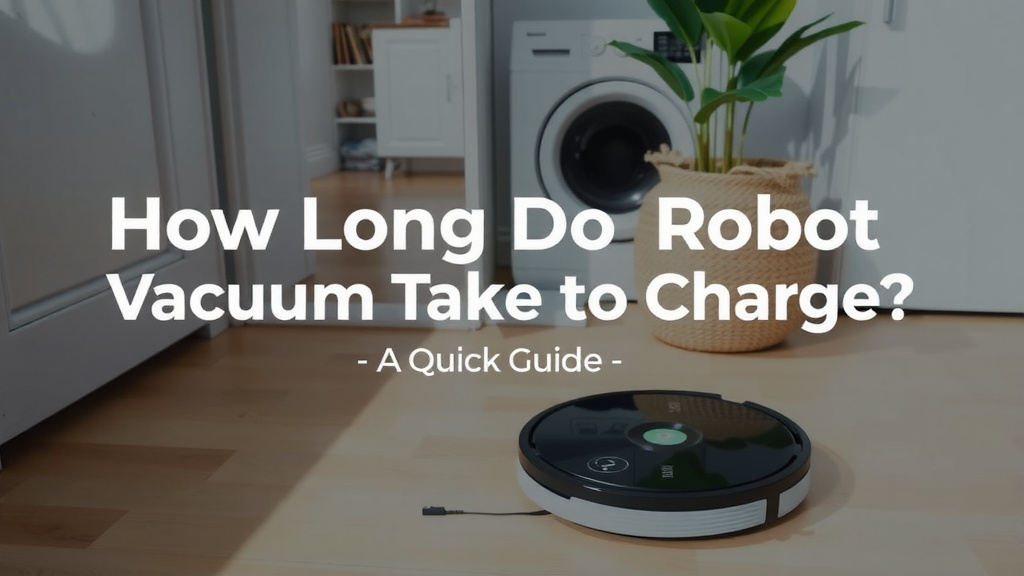
The time it takes for your robot vacuum to go from empty to fully charged can vary. Most models need about 2 to 6 hours for a complete charge. This is similar to charging your smartphone. You plug it in, and it takes a few hours to reach 100%.
Think of it like giving your little cleaning buddy a good night’s sleep. A full charge means it has all the energy it needs for its cleaning mission. We found that most manufacturers recommend a full initial charge before the first use. This helps set up the battery for optimal performance.
Understanding Your Robot Vacuum’s Battery Life
Your robot vacuum’s battery is the heart of its operation. Its size and type directly impact how long it runs and how long it needs to charge.
Battery Types and Charging Times
Robot vacuums primarily use two types of rechargeable batteries: Nickel Metal Hydride (NiMH) and Lithium-Ion (Li-ion). Li-ion batteries are becoming more common because they tend to last longer and charge faster.
Lithium-Ion (Li-ion) Batteries
These are the modern standard for many robot vacuums. Li-ion batteries are lighter and hold a charge better. They typically require 2 to 4 hours for a full charge. We found that models with Li-ion batteries often provide longer run times per charge too.
Nickel Metal Hydride (NiMH) Batteries
Older models or more budget-friendly options might still use NiMH batteries. These generally take longer to charge, often between 4 to 6 hours. While they get the job done, they might not hold a charge as long as Li-ion options over time. You might notice they require more frequent charging.
Factors Influencing Charging Speed
Besides the battery type, other things can affect how quickly your robot vacuum charges.
Battery Health and Age
Just like the battery in your phone, a robot vacuum’s battery degrades over time. An older battery might take longer to reach a full charge, or it may not hold a charge for as long as it used to. We found that batteries typically perform best in their first few years of use.
Charging Dock Connection
Ensuring your robot vacuum is correctly docked is essential. If the charging contacts on the robot and the dock aren’t making good contact, it won’t charge efficiently. You might see it trying to dock, then leaving, then trying again. A stable, clean connection is key. Some robots have indicator lights to show they are charging properly.
Ambient Temperature
Charging a battery in extreme temperatures can affect its performance. While most robot vacuums are designed to operate within a normal room temperature range, charging in a very hot or very cold environment could potentially slow down the charging process. Many user manuals suggest keeping the charging dock in a climate-controlled area (Good Housekeeping).
The Initial Charge: A Crucial First Step
When you first unbox your new robot vacuum, that initial charge is really important. It’s not just about having enough power for its first cleaning run. This first charge helps calibrate the battery management system.
We found that many manufacturers recommend letting your robot vacuum charge for a full 8 to 16 hours on its very first go. This might seem like a long time, especially compared to subsequent charges. However, this extended charge ensures the battery is fully ready for action. It helps the robot understand its own battery capacity accurately. Think of it as a full system check before the main event.
Maintaining Your Robot Vacuum’s Battery Health
Keeping your robot vacuum’s battery healthy means it will run efficiently for longer. Here are some best practices we found that can help.
Keep it on the Dock When Not in Use
Most robot vacuums are designed to stay on their charging dock when they aren’t actively cleaning. This allows them to recharge as needed and be ready for their next scheduled cleaning. Many Li-ion batteries benefit from being kept at a moderate charge level rather than being fully depleted often.
Avoid Complete Depletion When Possible
For both Li-ion and NiMH batteries, frequently running the robot until it completely dies can shorten its lifespan. If your robot vacuum is programmed to return to its dock, it usually manages its power well. If you’re manually stopping it, try to send it back to charge before the battery is critically low. We found that letting it return to its dock on its own is usually the best strategy.
Clean the Charging Contacts Regularly
Dirt, dust, and debris can accumulate on the charging contacts of both the robot vacuum and its charging dock. This can interfere with the charging process. A simple wipe-down with a dry or slightly damp cloth can keep these contacts clean. You should do this about once a month. A clean connection means a faster, more reliable charge (Consumer Reports).
What to Do if Charging Seems Slow
If you notice your robot vacuum isn’t charging as quickly as it used to, don’t panic. There are a few common reasons why this might happen.
Check the Charging Dock
Is the dock plugged in securely? Are there any error lights on the dock itself? Sometimes the simplest things are the easiest to overlook. Ensure the dock is positioned correctly and that the robot can easily reach it.
Inspect the Robot’s Contacts
As mentioned, dirty charging contacts are a frequent culprit. Give them a good clean. Also, check the robot’s wheels and brushes. Sometimes, debris caught in the drivetrain can prevent it from properly seating itself on the charging dock.
Consult Your Manual
Every robot vacuum is a little different. Your owner’s manual is your best friend here. It will have specific troubleshooting steps for charging issues related to your exact model. We found that manufacturers often provide detailed advice tailored to their products.
Consider Battery Age
If your robot vacuum is several years old, the battery might simply be nearing the end of its lifespan. Batteries are consumables, and they do need to be replaced eventually. Check your manual or the manufacturer’s website to see if replacement batteries are available for your model.
Quick Checklist for Optimal Charging:
- Ensure the charging dock is plugged in securely.
- Make sure the robot vacuum is properly aligned on the dock.
- Clean the charging contacts on both the robot and the dock monthly.
- Perform the initial, extended charge for 8-16 hours when new.
- Allow your robot to return to its dock on its own whenever possible.
- Consult your manual if you encounter persistent charging problems.
Conclusion
Keeping your robot vacuum charged correctly ensures it performs its best. Remember that most models need 2 to 6 hours for a full charge after their initial, extended power-up. Pay attention to your specific model’s battery type and any indicator lights.
Maintaining clean charging contacts and ensuring a proper dock connection are simple yet effective ways to keep charging times consistent. By following these tips, you’ll help extend your robot vacuum’s battery life and keep your floors cleaner for longer. Your next step is to check your robot’s charging contacts and give them a quick clean!
Frequently Asked Questions
Do I need to charge my robot vacuum overnight the first time?
Yes, many manufacturers recommend an initial charge of 8 to 16 hours for your robot vacuum. This extended first charge helps calibrate the battery management system accurately. It ensures the battery is ready for optimal performance from its very first cleaning cycle.
Can I leave my robot vacuum on the charging dock all the time?
Generally, yes, it’s perfectly fine to leave your robot vacuum on its charging dock when not in use. Most modern robot vacuums are designed to maintain their charge this way and be ready for their next scheduled cleaning. Keeping it docked can benefit battery health for Li-ion models.
How often should I clean the charging contacts on my robot vacuum?
You should aim to clean the charging contacts on both your robot vacuum and its charging dock about once a month. Dust, dirt, or debris can accumulate and interfere with the charging process. A quick wipe with a dry or slightly damp cloth is usually all it takes.
Will my robot vacuum charge faster if the battery is almost full?
No, charging times are generally consistent regardless of the battery’s current level, especially for the main charge from empty. The time it takes to reach 100% is determined by the battery’s capacity and type, not by how depleted it was initially. The initial 8-16 hour charge is an exception for brand-new units.
What if my robot vacuum takes much longer than expected to charge?
If your robot vacuum is taking significantly longer to charge, first check that it’s properly docked and the contacts are clean. Ensure the charging dock is securely plugged in. If the issue persists, consult your owner’s manual for model-specific troubleshooting or consider if the battery may be aging.