
How Often Should You Run Your Pool Vacuum?
You should run your pool vacuum 2-3 times per week, or even more if you have heavy debris. This helps maintain clean water and prevents algae growth. Keeping your pool clean with regular vacuuming is a key part of pool ownership.
How often you vacuum depends on factors like nearby trees or whether you have pets. A pool vacuum removes dirt, leaves, and other particles that settle at the bottom. This keeps your pool looking its best and ensures your filtration system works efficiently.
- Run your pool vacuum 2-3 times weekly.
- Increase frequency for heavy debris like leaves.
- Regular vacuuming prevents algae and keeps water clear.
- Consider your environment (trees, pets) for schedule adjustments.
- A clean pool is a healthier and more enjoyable pool.
Let’s get into the details of how often you should run your pool vacuum and what factors might change that schedule.
When Should You Run Your Pool Vacuum?
Most pool owners find that running their pool vacuum about 2 to 3 times a week hits the sweet spot for cleanliness. This general rule works well for many pools. It keeps debris from piling up on your pool floor. Regular vacuuming is a cornerstone of good pool care.
Think of your pool vacuum as your pool’s personal housekeeper. It’s quietly working to keep things tidy. If you skip a few sessions, you might notice more dirt or leaves settling. This can make your pool look less inviting.
Factors Affecting Your Vacuuming Schedule
While 2-3 times a week is a good starting point, your specific pool environment might call for adjustments. Several factors can increase the amount of debris that finds its way into your pool. Paying attention to these will help you fine-tune your routine.
The Impact of Surrounding Trees
Do you have trees hanging over your pool? If so, you’re likely dealing with a lot more falling leaves, twigs, and pollen. These little visitors are especially active during the spring and fall seasons. You might find yourself needing to vacuum more often.
We found that pools with nearby deciduous trees can see a 50% increase in debris, especially during autumn. This extra material can quickly cloud your water. It can also clog your pool filter, making it work harder and less efficiently.
Pets and Pool Visitors
Do your furry friends love a cool dip? Pets can bring loose hair and dirt into the pool. This debris sinks quickly and can contribute to cloudy water. If your dog or cat frequently swims, you’ll want to vacuum more.
Even if you don’t have pets, frequent swimmers can introduce more contaminants. Think about how often people use your pool. More swimmers often mean more sand, grass, or other particles being tracked in. It’s a simple equation for more cleaning.
Wind and Weather Conditions
The weather plays a bigger role than you might think. Strong winds can blow all sorts of things into your pool. Dust, leaves, and other airborne debris can accumulate rapidly.
If you live in an area prone to windy days, consider a quick vacuum session after a strong gust. It’s easier to remove debris when it’s fresh. Waiting too long allows it to settle and potentially start breaking down.
How Debris Affects Your Pool’s Health
It’s not just about looks. Letting debris sit at the bottom of your pool can lead to bigger problems. Your pool’s water chemistry can get thrown off balance by decaying organic matter. This is a breeding ground for trouble.
Preventing Algae Blooms
Algae thrive on nutrients, and decaying organic matter provides just that. Leaves and dirt offer food for algae. When these settle at the bottom, they can kickstart an algae bloom.
Many pool experts recommend regular vacuuming as a primary way to prevent algae growth. Keeping the pool floor clean removes potential food sources for these unwanted guests. It’s a simple preventative measure with big results.
Protecting Your Filter System
Your pool filter is designed to catch smaller particles. However, large amounts of debris can overwhelm it. Think of it like trying to filter a whole plate of spaghetti with a coffee filter. It just won’t work well.
When your filter is constantly working overtime due to heavy debris, its lifespan can be shortened. Cleaning your pool floor regularly reduces the load on your filter. This helps it function optimally and last longer (Pool Professionals Association).
Understanding Different Types of Pool Vacuums
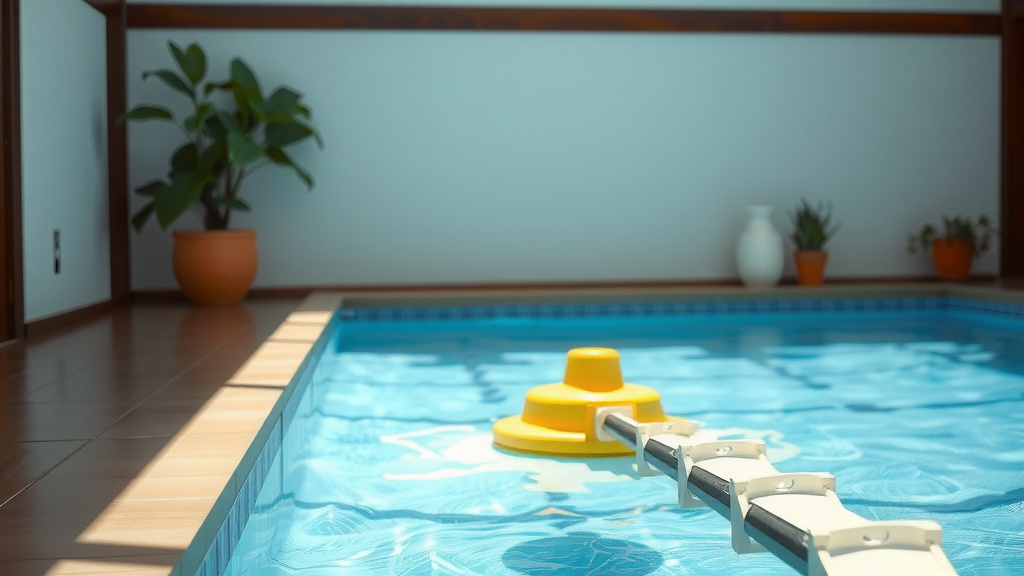
The type of pool vacuum you use can also influence how often you need to run it. Some are more efficient than others. Knowing your tool helps you use it best.
Robotic Pool Cleaners
Robotic pool cleaners are amazing tools. They work independently of your pool’s skimmer or filter system. Many can be programmed to run on a schedule, some daily. They are very efficient at scrubbing and collecting debris.
If you have a robotic cleaner, you might set it to run every other day or even daily during peak seasons. These units often have their own fine-mesh filters. They do a fantastic job of keeping the pool floor spotless with minimal effort from you.
Suction-Side Pool Cleaners
Suction-side cleaners attach to your skimmer. They use your pool pump’s suction to move around and clean. They are generally less powerful than robotic cleaners. You’ll need to ensure your pump is running when they are in use.
Because they rely on your main pump, you’ll want to time their use carefully. Running them during your normal filtration cycle is often best. You might need to manually run them more often if you notice a lot of debris.
Pressure-Side Pool Cleaners
Pressure-side cleaners use the return flow of your pool’s water to operate. They often have a debris bag attached. They tend to move more randomly across the pool floor.
These can be quite effective but may require emptying their debris bag regularly. Depending on the bag size and debris load, you might need to empty it after each use or every few uses. This is an extra step to consider.
A Quick Reference Checklist for Vacuuming Frequency
To help you decide, here’s a simple checklist. Think about these points for your pool:
- Do you have trees directly over your pool?
- Do pets swim in your pool regularly?
- Is your area prone to strong winds?
- How often do you use your pool?
- Do you notice debris settling quickly?
- Are you trying to prevent algae?
Answering these questions should give you a clearer picture. It helps you tailor your vacuuming schedule. A little attention now saves a lot of work later.
Conclusion
Keeping your pool pristine means staying on top of your vacuuming schedule. Remember, 2-3 times a week is your baseline, but adjust based on your unique environment. Trees, pets, and windy weather can all up the debris. Regular vacuuming isn’t just about looks; it’s vital for preventing algae and protecting your filter system. Take a quick look around your pool area and consider your usage. This simple check will help you set the right vacuuming frequency for a cleaner, healthier pool.
Frequently Asked Questions
How often should I run my robotic pool cleaner?
Robotic pool cleaners are quite efficient and can often be programmed. For most homes, running your robotic cleaner every other day is a great starting point. If you have heavy debris from trees or pets, you might need to run it daily, especially during peak seasons.
What happens if I don’t vacuum my pool often enough?
If you skip vacuuming, debris will settle on your pool floor. This organic matter can unbalance your water chemistry and provide food for algae. Over time, it can also put extra strain on your pool’s filtration system, potentially shortening its lifespan.
Should I vacuum my pool after a storm?
Yes, it’s a good idea to vacuum your pool after a storm, especially if it was windy. Storms can blow a lot of leaves, twigs, and other debris into your pool. A quick vacuum session will remove this fresh debris before it has a chance to sink and break down.
Can my pool filter do some of the vacuuming work?
Your pool filter works continuously to clean the water, but it’s not a substitute for vacuuming. While your filter catches smaller particles circulating in the water, it can’t remove debris that has settled on the pool floor. A vacuum is needed for that.
Does the type of pool surface affect vacuuming frequency?
While the surface type itself doesn’t drastically change vacuuming frequency, some surfaces might show dirt more easily. For instance, lighter colored surfaces might make you want to vacuum more often to keep them looking their best.
![7 Best Lightweight Vacuum For Carpet And Hard Floors [2026]](https://bathroomexplorer.com/wp-content/uploads/2026/06/7-best-lightweight-vacuum-for-carpet-and-hard-floors-2026-featured-768x432.jpg)
![7 Best Hepa Vacuum For Pet Allergies [2026]](https://bathroomexplorer.com/wp-content/uploads/2026/06/7-best-hepa-vacuum-for-pet-allergies-2026-featured-768x432.jpg)