Vacuum Cleaner Amps Explained: What You Need to Know
You’re probably wondering about your vacuum cleaner’s amps. Most household vacuums use between 6 and 12 amps. A vacuum cleaner’s ampere rating tells you how much electricity it needs to run. It’s a good indicator of its overall power.
Higher amperage usually means more suction power for your cleaning needs. But it’s not the only thing to consider. Wattage and airflow are also important factors in how well a vacuum cleans. Understanding these ratings can help you choose the best vacuum for your home.
- Most vacuums use 6-12 amps.
- Amps relate to power and suction.
- Wattage and airflow also matter.
- Check ratings for the best clean.
Let’s walk through exactly how to understand your vacuum’s amp rating and what it means for your cleaning routine.
You’ve seen the number on your vacuum, but what does it really mean for your cleaning power? Let’s break down what those amperes tell you about your vacuum cleaner’s muscle.
Understanding Your Vacuum’s Electrical Needs
Your vacuum cleaner’s ampere rating tells you how much electrical current it draws. Think of it like the thirst of your vacuum. A higher amp rating means it drinks more electricity.
This electrical draw is directly related to the motor’s power. A stronger motor can create more suction. So, when you see a higher number, it usually signals a more potent cleaning machine. This can be especially helpful for tackling tough messes.
What Amps Actually Measure
Amperes, or amps, measure the rate of electrical current flow. It’s a standard unit of measurement. For your vacuum, it indicates how much power is being pushed through its motor. We found that most household vacuums fall into a pretty consistent range.
Higher amperage often means the motor is working harder. This translates to a more vigorous pull on dirt and debris. It’s why you might see vacuums designed for heavy-duty cleaning boast higher amp ratings. They need that extra juice!
Typical Amp Ratings for Vacuums
Most upright and canister vacuums you’ll find in homes typically range from 6 to 12 amps. Some smaller handheld vacuums might use less. Larger, more powerful shop vacuums can sometimes go even higher, but for everyday home use, this is your ballpark.
A vacuum with 10 amps will generally have more suction power than one with 6 amps. This is a good rule of thumb. However, it’s not the only piece of the puzzle. We’ll look at other factors shortly.
Amps vs. Watts: What’s the Difference?
You might also see wattage (or watts) listed on your vacuum. It’s easy to get these two confused, but they measure slightly different things. It’s important to understand both for a full picture of your vacuum’s capability.
Defining Watts
Wattage tells you the total electrical power consumed by the appliance. It’s the product of amps and volts (voltage). So, Watts = Amps x Volts. Since household voltage in the U.S. is typically around 120 volts, the amp rating gives you a good idea of the wattage.
For example, a 10-amp vacuum running on 120 volts uses about 1200 watts (10 x 120 = 1200). Watts give you a broader sense of energy consumption. It’s like knowing both how much fuel your car uses and how powerful its engine is.
Why Both Amps and Watts Matter
While amps directly relate to motor strength and suction, watts give you the full energy picture. Manufacturers sometimes highlight wattage because it can sound more impressive. A higher wattage vacuum is generally more powerful.
However, focusing solely on watts can be misleading. You need to consider how efficiently that power is used. That’s where other metrics come into play. We found that energy efficiency is becoming more important to consumers.
Beyond Amps: Other Factors in Vacuum Power
Just because a vacuum has a high amp rating doesn’t automatically make it the best cleaner. Several other components work together to determine its overall performance. You want a symphony of cleaning, not just a loud motor.
The Importance of Airflow (CFM)
Airflow, often measured in Cubic Feet per Minute (CFM), is incredibly important. It tells you how much air the vacuum can move. High airflow means the vacuum can effectively pull debris into the dustbin.
Think of it like this: a powerful engine (high amps) needs good ventilation to perform well. If the airflow is restricted, even a strong motor will struggle to pick up dirt. Many experts say that good airflow is just as critical as strong suction.
Suction Power: Beyond Just Amps
Suction power is what you feel when you hold your hand near the vacuum head. It’s influenced by the motor (amps and watts) but also by the vacuum’s design. Things like the seal around the brush roll and the hose diameter play a role.
We found that a well-designed vacuum can achieve excellent suction even with a moderate amp rating. It’s all about how effectively the air and dirt are channeled. A great vacuum is a system, not just a single powerful part.
Brush Roll and Filtration
Don’t forget the brush roll! For carpet, a good brush roll agitates the fibers to loosen dirt. This works hand-in-hand with the suction. For hard floors, a gentle brush roll prevents scratches while still sweeping debris.
Filtration is also key. A vacuum can have high amps and great airflow, but if it’s blowing dust back into the air, it’s not truly cleaning. HEPA filters are excellent for trapping allergens. We look for vacuums with good multi-stage filtration.
Choosing the Right Vacuum for Your Needs
So, how do you pick the best vacuum based on this information? It’s about finding the right balance for your home and cleaning tasks.
Consider what you’ll be vacuuming most often. Do you have mostly carpet, hard floors, or a mix? Pets? Allergies?
- Carpet: Higher amps and a strong, adjustable brush roll are beneficial for deep cleaning carpets.
- Hard Floors: Look for good edge cleaning and airflow. You might not need the absolute highest amp rating.
- Pets: Vacuums designed for pet hair often have specialized attachments and strong suction to deal with embedded fur.
- Allergies: Prioritize excellent filtration, like a sealed system with a HEPA filter.
Don’t get fixated on just one number. We recommend looking at the overall specifications and user reviews. A vacuum that is a good all-around performer often has a smart combination of these factors.
A Quick Comparison Table
Here’s a simple way to visualize how different amp levels might perform:
| Amp Rating (Approx.) | General Power Level | Best For |
|---|---|---|
| 0-5 Amps | Light Duty | Small spaces, quick cleanups, handhelds. |
| 6-8 Amps | Standard Duty | Everyday cleaning of average homes, moderate traffic. |
| 9-12 Amps | Heavy Duty | Deep cleaning carpets, homes with pets, high traffic areas. |
| 12+ Amps | Extra Heavy Duty / Commercial | Industrial use, very large homes, extreme messes. |
When More Amps Might Not Be Better
Sometimes, a very high amp rating can mean a vacuum uses more electricity than necessary for your needs. It could also mean a heavier machine. For a small apartment, a 12-amp behemoth might be overkill. You want power, but you also want ease of use.
We found that many modern vacuums are very efficient. They can offer excellent cleaning performance without drawing excessive power. Always check the full specifications and consider your specific cleaning challenges.
Your Vacuum Cleaning Checklist
To help you remember the key points, keep this quick checklist in mind:
- Check the amp rating for a general idea of motor power.
- Understand that wattage also indicates total power consumption.
- Prioritize airflow (CFM) for effective dirt collection.
- Consider the vacuum’s design for overall suction efficiency.
- Don’t forget brush roll action for carpets and filtration for air quality.
- Match the vacuum’s capabilities to your home’s needs.
Conclusion
Understanding your vacuum cleaner’s amp rating is a key step in choosing the right cleaning tool. Remember, while amps signal motor power and suction, they aren’t the whole story. Airflow, design efficiency, and features like brush rolls and filtration all contribute to a truly clean home. You’ve learned to look beyond just one number to find a vacuum that fits your specific needs and home type.
Now, take that knowledge and check the labels on your current vacuum or when you’re shopping for a new one. You’re ready to make an informed decision for a cleaner, healthier living space!
Frequently Asked Questions
Is a higher amp vacuum always better?
Not necessarily. While higher amps often mean more suction, they also mean higher energy consumption. For smaller homes or specific needs like hard floors, a very high amp vacuum might be overkill and less energy-efficient than you need.
Can I use a vacuum with a higher amp rating than my outlet provides?
Your vacuum’s amp rating is what it *draws*, not what your outlet *provides*. Standard household outlets in the U.S. are rated for 15 amps. A vacuum drawing 12 amps is generally fine for a standard outlet, but overloading multiple high-amp appliances on one circuit can trip a breaker.
How do amps relate to vacuum cleaner lifespan?
Amps themselves don’t directly determine a vacuum’s lifespan. A motor working at its peak capacity consistently *might* wear out faster than one used moderately. However, build quality, maintenance, and how you use the vacuum are far more critical factors for longevity.
Are handheld vacuums lower in amps than full-sized vacuums?
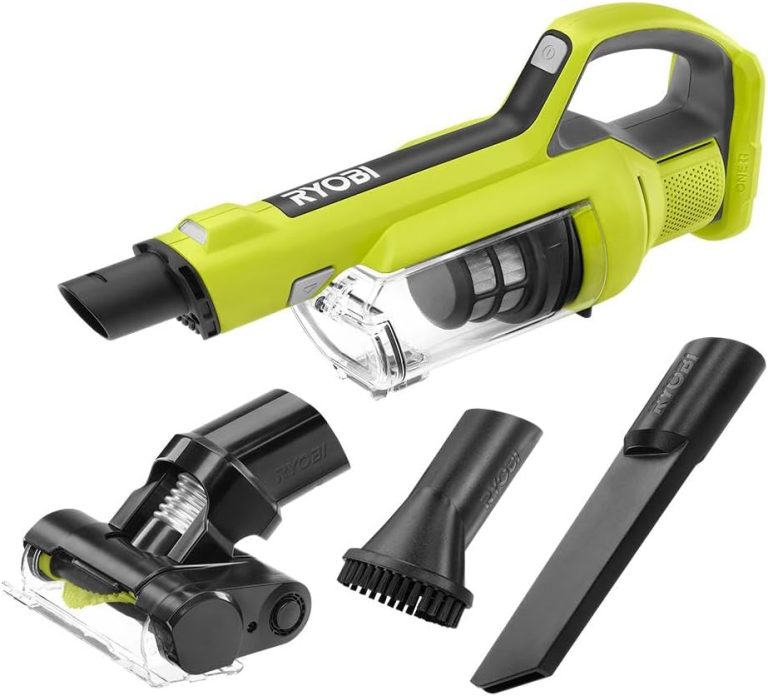
Generally, yes. Handheld vacuums are designed for convenience and smaller jobs, so they use smaller motors that require less power. You’ll typically find them in the 1 to 5 amp range, significantly lower than upright or canister models.
Should I worry about amps if I have mostly carpet?
If you have a lot of carpet, especially high-pile, a higher amp rating can be beneficial. It suggests stronger suction to pull dirt from deep within carpet fibers. However, also ensure the vacuum has a good brush roll for agitation, as this works hand-in-hand with suction.