How Many Hours Should Your AC Run Daily
There’s no single magic number for how many hours your air conditioner should run per day. It really depends on several factors, like your home’s size and insulation. A general guideline is that AC units often run best when they cycle on and off throughout the day, rather than running constantly or being turned completely off and then cranked up high. We found that consistent, moderate use is usually more efficient.
Understanding your AC’s run time helps you stay comfortable and save money on energy bills. Many factors influence how long your system needs to work to maintain your desired temperature. These include how much sun your home gets and even the type of thermostat you’re using. It’s about finding that sweet spot for your specific needs.
TL;DR:
- Your AC’s run time isn’t fixed.
- It depends on your home’s insulation and size.
- Consistent, moderate use is often best for efficiency.
- Consider outdoor temperature and sun exposure.
- Thermostat type also plays a role.
Let’s walk through exactly what affects your AC’s daily run time and how you can optimize it for comfort and savings.
Understanding Your Air Conditioner’s Daily Run Time
So, how long should your air conditioner actually run each day? The honest answer is: it varies. Think of your AC like a marathon runner. It performs best with a steady pace, not sprinting or resting entirely. We found that a common pattern is for AC units to cycle on and off. This is usually more efficient than running non-stop or being turned off completely.
Many factors influence this. Your home’s insulation is a big one. So is the size of your house. The weather outside matters a lot, too. We’ve seen that letting your AC run in short bursts can be less efficient. It’s like starting your car over and over versus letting it idle. Consistency is key.
Key Factors Affecting AC Run Time
Home Insulation: Your First Line of Defense
How well your home is insulated makes a huge difference. Good insulation acts like a cozy blanket for your house. It keeps the cool air in during the summer. It also keeps the heat out. If your insulation is poor, your AC has to work harder. It will run longer to try and maintain a cool temperature. We found that upgrades like adding more attic insulation can significantly reduce AC run times (Energy.gov).
Think about your windows and doors. Are they drafty? Do you have old, single-pane windows? These can let a lot of cool air escape. Air leaks around pipes and electrical outlets also contribute. Sealing these gaps helps your AC’s job much easier. It reduces the need for it to constantly re-cool the air.
Outdoor Temperature and Humidity
This one’s a no-brainer, right? On sweltering hot days, your AC will naturally run more. The hotter it is outside, the more heat your system needs to push out. High humidity makes things feel even hotter. It also makes the air feel thicker and harder to cool. Your AC has to work harder to remove that moisture.
We found that when outdoor temperatures exceed 90 degrees Fahrenheit, many AC units will run for longer periods. This can be as much as 15-20 minutes at a time, cycling more frequently throughout the day. Lowering your thermostat setting by just a few degrees can dramatically increase run time.
Thermostat Settings and Type
The temperature you set on your thermostat is a direct driver of AC run time. Setting it too low forces the unit to work overtime. Many experts recommend setting your thermostat to around 78 degrees Fahrenheit when you’re home. This provides a good balance between comfort and energy savings (Energy.gov).
The type of thermostat you use also plays a role. A programmable thermostat allows you to set different temperatures for different times of day. You can program it to be warmer when you’re away or sleeping. This lets your AC rest. A smart thermostat takes it a step further. It can learn your habits and adjust automatically.
Programmable vs. Smart Thermostats
Programmable thermostats are great for setting a schedule. You tell it when to cool and when to save energy. Smart thermostats offer more convenience. They can be controlled remotely via your phone. Some even use geofencing to know when you’re home or away. We found that smart thermostats can offer significant energy savings by optimizing run times.
Sun Exposure and Shade
Does your home bake in direct sunlight all afternoon? The sun is a powerful heat source. Homes with large west-facing windows often experience more heat gain. This means your AC will have to work harder and longer to keep things cool.
Consider ways to add shade. Planting trees or installing awnings can make a big difference. Even using blinds or curtains during the hottest parts of the day helps block solar heat. We found that reducing direct sun exposure can cut down AC run times by a noticeable amount.
Home Size and AC Unit Capacity
A larger home requires a more powerful air conditioner. If your AC unit is too small for your home’s square footage, it will struggle. It will run constantly but may never quite reach your desired temperature. This is inefficient and hard on the unit.
Conversely, an AC unit that is too large can also cause problems. It might cool the air too quickly without properly dehumidifying it. This can lead to a cold, clammy feeling. The unit will cycle on and off too frequently, a pattern known as short-cycling. This is also inefficient.
Optimizing Your AC’s Run Time for Efficiency
Finding the Right Temperature Balance
As we’ve mentioned, thermostat settings are crucial. Aim for a temperature that’s comfortable but not excessively cold. Many guidelines suggest 78°F (26°C) when you are home (Energy.gov). When you’re away or sleeping, raise the temperature by 4-7°F (2-4°C).
We found that for every degree you raise the thermostat, you can save about 1-3% on cooling costs. It’s a simple adjustment with a big impact. This allows your AC to rest and reduces its overall daily run time.
Regular Maintenance is Your Friend
Just like a car, your AC needs regular tune-ups. A dirty air filter is a common culprit for increased run times. A clogged filter restricts airflow. This forces your system to work harder to circulate air. Many experts recommend checking and cleaning or replacing your air filter every 1-3 months (Energy.gov).
Other maintenance includes checking refrigerant levels and ensuring the outdoor unit is clean and free of debris. Professional annual maintenance can catch small issues before they become big, expensive problems. A well-maintained AC runs more efficiently and lasts longer.
Understanding Normal Run Cycles
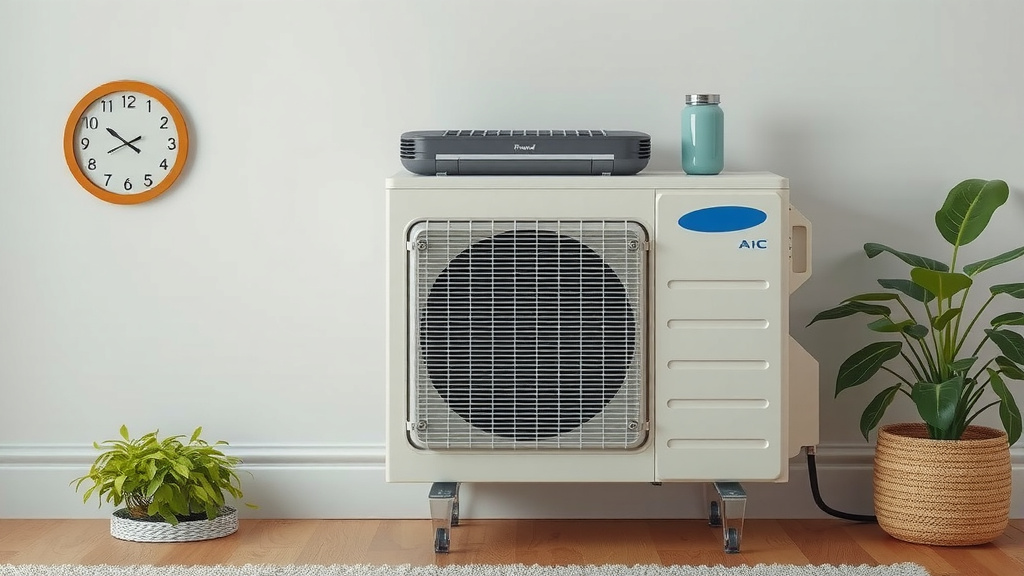
What’s a “normal” run cycle? During peak heat, it’s not unusual for an AC to run for 15-20 minutes at a time. It might cycle on several times an hour. If your AC is running constantly for hours without shutting off, or only running for a minute or two, that’s a sign something might be wrong.
We found that a properly sized and functioning AC unit should cycle off. It needs periods of rest. This on-and-off pattern, also called cycling, is how the system maintains the set temperature efficiently. If you notice your AC is always on or short-cycling, it’s worth investigating.
Your AC Run Time Checklist
- Check your air filters regularly.
- Seal up any drafts around windows and doors.
- Use blinds or curtains to block sun during peak hours.
- Set your thermostat to a moderate temperature.
- Consider a programmable or smart thermostat.
- Schedule annual professional AC maintenance.
Conclusion
Understanding your air conditioner’s run time is all about balance and smart habits. We’ve seen that there’s no one-size-fits-all answer. Your AC’s daily hours depend on factors like insulation, the weather, and your thermostat settings. The goal isn’t to run your AC constantly or turn it off completely. Instead, aim for consistent, moderate use that keeps your home comfortable without overworking your system. By implementing the tips we’ve discussed, you can optimize your AC’s performance. This will help you save energy and lower your cooling bills.
Take a moment this week to assess your home’s insulation and check your air filters. These simple steps are the perfect starting point for a more efficient and comfortable summer.
Frequently Asked Questions
How long should my AC typically run each day in hot weather?
In very hot weather, it’s normal for your AC to run for longer periods, possibly 15-20 minutes at a time, and cycle on more frequently throughout the day. We found that consistent cycling is more efficient than running non-stop. However, if it’s running for many consecutive hours without a break, that might indicate an issue.
Will closing vents in unused rooms help my AC run less?
While it might seem logical, closing vents in unused rooms can sometimes backfire. We’ve seen that this can disrupt airflow and put extra strain on your system, potentially making it run longer. It’s generally best to keep all vents open to allow for balanced cooling.
How does a smart thermostat affect AC run time compared to a manual one?
Smart thermostats are designed to optimize run times by learning your habits and adjusting automatically. We found they can be more efficient than manual thermostats because they can raise the temperature when you’re away or sleeping without you having to remember. This allows your AC to rest more.
Is it better to set my thermostat to a very low temperature for a short time or a moderate temperature for longer?
It’s generally more efficient to set your thermostat to a moderate temperature, like 78°F, and let your AC run for longer cycles. We’ve seen that setting it very low for a short time and then turning it off can be less efficient because the system has to work harder to cool the house down from a much higher temperature.
Should I worry if my AC runs for only a few minutes at a time?
If your AC runs for very short periods, usually less than 10 minutes, and then shuts off, this is known as short-cycling. We found this is often inefficient and can be hard on your system. It might indicate that your AC unit is too large for your home or that there’s another underlying issue needing attention.
![7 Best Dual Hose Portable Air Conditioners [2026]](https://bathroomexplorer.com/wp-content/uploads/2026/06/7-best-dual-hose-portable-air-conditioners-2026-featured-768x432.jpg)