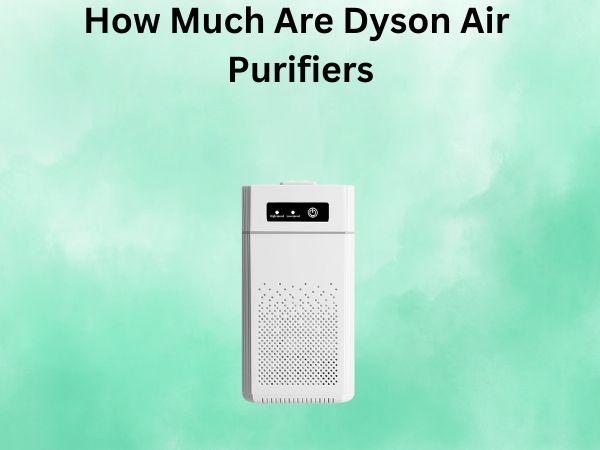
How Much Are Dyson Air Purifiers? A Complete Pricing Guide for 2024
Considering a Dyson air purifier often leads to one immediate thought: what’s the cost? Let’s get straight to it—these aren’t budget-friendly devices. The real question, then, isn’t just about the price, but whether a Dyson air purifier is truly worth the splurge. This complete guide aims to help you decide.
I’ve researched the current market thoroughly, looked at various models, and gathered pricing information to give you the full picture. Whether you’re a health-conscious homeowner or someone dealing with allergies, understanding Dyson’s pricing structure will help you make an informed decision.
What’s the Average Price of Dyson Air Purifiers?
Let’s get straight to it. Dyson air purifiers typically range from about 300 dollars on the lower end to over 700 dollars for their flagship models. That might sound steep, but when you consider what you’re getting, the picture becomes clearer.
The brand positions itself in the premium segment of the air purifier market. Think of it like comparing a Toyota to a Mercedes—both will get you where you need to go, but the experience and technology differ significantly. Dyson invests heavily in research, design, and engineering, which naturally reflects in the price.
Entry-Level Dyson Air Purifiers: Starting Your Journey
If you’re new to Dyson or want to dip your toes into the brand without breaking the bank, entry-level models exist. These typically fall in the 300 to 400 dollar range.
Models like the Dyson Pure Hot plus Cool link air purifier sit in this category. You get the essential features—HEPA filtration, real-time air quality monitoring, and that iconic Dyson design. These units work wonderfully for smaller to medium-sized rooms, usually covering spaces up to 300 square feet.
What you’re compromising on at this level isn’t really quality—it’s extra features. You might not get Wi-Fi connectivity on every model, or advanced sensors that some premium versions boast. But the core air purification capability? It’s solid.
Mid-Range Dyson Models: The Sweet Spot
Here’s where most people find their sweet spot. Mid-range Dyson air purifiers typically cost between 400 and 550 dollars. These models offer a wonderful balance of features and functionality without pushing you toward their absolute top-tier pricing.
The Dyson Pure Cool Cryptomic air purifier falls into this range and represents excellent value. You’re getting:
- HEPA and activated carbon filtration
- Real-time air quality feedback
- Oscillation function for better air distribution
- Sleep timer and scheduling features
- Smartphone app connectivity on select models
These models handle larger rooms effectively and include enough smart features to justify the investment. If you’re willing to spend a bit more than entry-level, mid-range options deliver noticeably better performance.
Premium Dyson Air Purifiers: Top-of-the-Line Excellence
Then we reach the premium segment. The absolute top-tier Dyson air purifiers can cost 600 to 750 dollars or more. What are you paying extra for?
At this level, you’re getting every bell and whistle Dyson offers. We’re talking about advanced sensor technology, seamless app integration with voice control compatibility, quieter operation, and sometimes combined heating and cooling functions. Models like the Dyson Pure Hot plus Cool Tower represent the pinnacle of Dyson’s air purification technology.
These models are perfect if you want absolute peak performance or if you’re dealing with severe air quality issues in a large space.
Understanding Dyson’s Pricing Structure: Why Are They Expensive?
The Technology Behind the Price Tag
You might wonder why you should pay premium prices when other brands offer air purifiers for 150 to 200 dollars. The answer lies in what Dyson has engineered into their products.
Dyson uses proprietary filtration technology that genuinely captures more particles than standard HEPA filters. Their three-stage filtration system combines HEPA, activated carbon, and sometimes additional specialized filters. This isn’t marketing fluff—it’s engineering that costs money to develop and manufacture.
Additionally, Dyson’s air quality sensors are incredibly sophisticated. They continuously monitor PM 2.5 particles, PM 10 particles, nitrogen dioxide, and volatile organic compounds. This real-time feedback means you always know what’s happening in your home’s air.
Design and Build Quality
Have you ever noticed how Dyson products just look premium? That’s not accidental. The brand invests significantly in industrial design.
Their purifiers feature seamlessly integrated components, thoughtful engineering touches like oscillation mechanisms, and aesthetically pleasing forms that don’t look like medical equipment in your living room. Quality materials and construction add to durability, meaning your investment lasts longer than cheaper alternatives.
Research and Development Investment
Dyson spends millions annually on research and development. This investment trickles down into innovative features you won’t find elsewhere. Their engineers continuously work on improving filter efficiency, quieting motors, and adding smart features.
When you buy a Dyson air purifier, you’re partially paying for the company’s commitment to pushing air purification technology forward.
Comparing Dyson to Other Air Purifier Brands
Let’s be real—Dyson isn’t the only player in the air purifier game. How do they stack up against competitors?
Budget Brands vs. Dyson
Brands like Levoit, HEPA, and Coway offer air purifiers at significantly lower price points, sometimes 100 to 250 dollars. These units perform their basic function admirably—they filter air and reduce particle levels.
However, they typically lack the sophistication in sensor technology, app connectivity, and build quality that Dyson provides. It’s like comparing a basic streaming service to Netflix with premium features—both work, but the experience differs.
Mid-Range Competitors
Brands like Blueair and IQAir compete more directly with Dyson in the 400 to 600 dollar range. These are genuinely good options with advanced filtration and smart features.
Where Dyson differentiates itself is through design, brand reputation, and the ecosystem of features that work seamlessly together. Many reviewers note that while competitors might match Dyson’s performance metrics, the overall user experience tends to favor Dyson.
Where to Purchase Dyson Air Purifiers and Find the Best Prices
Official Dyson Retailers
Dyson’s official website and authorized retailers typically maintain consistent pricing. The advantage here is warranty coverage and assurance you’re getting an authentic product. However, don’t expect deep discounts—these retailers often honor price consistency agreements.
Online Marketplaces
Amazon, Best Buy, and Walmart frequently offer competitive pricing on Dyson air purifiers. You’ll occasionally find sales or bundle deals, especially during seasonal promotions like Black Friday or Cyber Monday.
Shopping on established online retailers gives you buyer protection and easy returns, which is valuable when spending this much money.
Timing Your Purchase
Want a tip for saving money? Timing matters. Holiday seasons, end-of-quarter sales, and when new models release often bring price reductions on older inventory. Patience can save you 50 to 100 dollars.
Breaking Down the Cost: Is Dyson Worth Your Investment?
Filter Replacement Costs
Here’s something people often overlook when calculating true ownership costs. Dyson air purifier filters need replacement periodically.
Dyson filters typically last between 6 to 12 months, depending on usage and air quality in your home. Replacement filters cost between 40 to 60 dollars. Over a five-year period, you might spend 200 to 300 dollars on filters alone.
This is important context when comparing the total cost of ownership. A cheaper purifier might save you 200 dollars upfront but cost nearly as much in replacement filters over the same period.
Energy Consumption Considerations
Dyson air purifiers are designed for energy efficiency. Most models consume 40 to 60 watts, which is relatively modest. Running a Dyson purifier continuously costs just a few dollars monthly in electricity.
This means the long-term operating cost remains minimal, making the total cost of ownership more reasonable than the sticker price alone suggests.
Health and Wellness Value
Here’s something you can’t put a price on—breathing easier. If you suffer from allergies, asthma, or live in an area with poor air quality, the health benefits of a quality air purifier are substantial.
Better sleep, fewer respiratory issues, and improved overall wellness have real value. Many Dyson owners report that after investing in their purifier, they wouldn’t go back. That confidence in air quality? It’s worth something.
Special Models and Their Specific Price Points
Dyson Pure Cool Link Tower
This tower-style model typically retails for around 400 dollars. It combines air purification with air circulation, making it ideal for larger rooms. The oscillation feature helps distribute purified air throughout your space more effectively than stationary units.
Dyson Pure Hot plus Cool Tower
Want heating, cooling, and air purification in one unit? This multi-functional model prices out around 600 dollars or higher. It’s perfect if you’re in a climate with seasonal temperature variations and want to consolidate your air treatment devices.
Dyson Pure Cryptomic Models
These specialized models include additional catalytic filters designed to break down formaldehyde, a common indoor pollutant. You’ll pay around 500 to 550 dollars for this enhanced capability, which matters if you’re particularly concerned about chemical pollutants.
Financing Options and Payment Plans
I understand that dropping 500 dollars on an air purifier requires consideration. The good news? Financing options exist.
Many retailers, including Dyson’s official store, offer payment plans through services like Affirm or PayPal Credit. You might be able to spread the cost over three to twelve months with little or no interest, depending on the promotion.
This approach can make premium Dyson purifiers more accessible without requiring a large upfront payment.
Warranty and After-Sales Support Costs
Dyson typically includes a two-year warranty on air purifiers. This covers manufacturing defects and mechanical failures, which provides peace of mind.
Extended warranty options are available for an additional cost, usually 50 to 100 dollars. Whether this makes sense depends on your comfort level with risk and how long you plan to keep the unit.
The good news is that Dyson’s customer service generally receives positive reviews, and warranty claims are typically handled smoothly.
When Should You Consider Splurging on Dyson?
Your Air Quality Situation
If you live in an area with poor outdoor air quality, deal with indoor pollution sources, or have family members with respiratory issues, investing in a premium purifier makes sense. The health benefits justify the expense.
Your Living Space
Larger homes benefit more from premium purifiers. If you’re trying to purify a 2,000 square foot house, investing in multiple mid-range units or one premium unit is necessary. The Dyson’s powerful performance becomes more valuable in this context.
Your Tech Comfort Level
Dyson’s smart features only benefit you if you’ll actually use them. If you enjoy app-controlled devices and voice assistant integration, you’ll get more value from premium models. If you prefer simple on/off switches, entry-level options might suffice.
Red Flags: Avoiding Overpriced or Fake Dyson Purifiers
Because Dyson products command premium prices, counterfeit units exist. Here’s how to protect yourself:
- Purchase only from authorized retailers
- Check the serial number on Dyson’s official website
- Verify packaging quality and printing clarity
- Be suspicious of prices significantly below market average
- Check seller ratings and reviews on retail platforms
Spending extra money ensuring you get an authentic product is worthwhile compared to being stuck with a fake.
Seasonal Pricing Trends for Dyson Air Purifiers
Understanding when prices typically drop can help you time your purchase strategically.
Black Friday and Cyber Monday typically see 10 to 20 percent discounts. End-of-summer sales sometimes discount purifiers as demand drops heading into fall. When Dyson releases new models, older inventory often gets marked down.
Conversely, spring and early summer see higher prices as allergy season drives demand upward.
Conclusion
So, how much are Dyson air purifiers? They range from approximately 300 dollars for entry-level models to over 700 dollars for premium options loaded with features. This isn’t the cheapest option on the market, but it’s far from the most expensive either.
The real question isn’t whether Dyson’s price is high—it’s whether the value justifies the investment for your specific situation. If you care about air quality, appreciate thoughtful design, and want a purifier that delivers consistent performance backed by solid engineering, Dyson represents a worthwhile investment.
Consider your room size, specific air quality concerns, desired features, and budget. Factor in filter replacement costs and energy consumption. If the overall package aligns with your needs, you’ll likely find that Dyson’s purifiers provide years of reliable service and genuine health benefits.
Don’t rush the decision, watch for seasonal sales, and consider financing options if the upfront cost feels overwhelming. A quality air purifier isn’t an impulse purchase—it’s an investment in your home environment and personal wellness.
Frequently Asked Questions About Dyson Air Purifier Pricing
Do Dyson air purifiers go on sale, and how much can you typically save?
Yes, Dyson air purifiers do go on sale, particularly during major shopping events like Black Friday, Cyber Monday, and seasonal clearance periods. You can typically expect to save 10 to 20 percent off the regular price during these promotions. End-of-season sales and retailer-specific promotions may offer deeper discounts. However, Dyson maintains relatively consistent pricing across authorized retailers due to their pricing agreements, so sales are more modest than you might find with other brands. The best strategy is to set price alerts on retail websites and watch for promotional events rather than expecting constant