How Much Energy Does a Levoit Air Purifier Use? A Complete Energy Consumption Guide
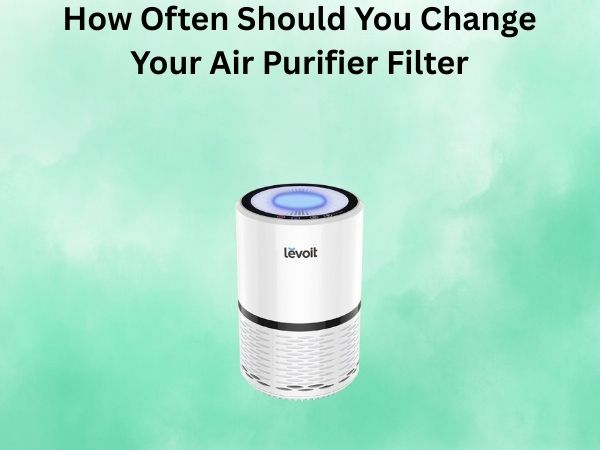
Thinking about adding a Levoit air purifier to your living space? One of the first things you’re probably wondering is how it will affect your electricity bill. This is a perfectly valid concern, and it’s surprisingly often overlooked when people are shopping for air quality solutions. However, understanding the actual energy consumption of an air purifier can significantly help you make a smarter purchase and avoid any surprise utility bill increases.
In this guide, I’m going to walk you through everything you need to know about how much energy Levoit air purifiers actually use. We’ll break down the numbers, compare different models, and help you figure out what this means for your wallet over time.
Understanding Air Purifier Energy Consumption Basics
Before we dive specifically into Levoit models, let’s talk about how air purifiers use electricity in general. Think of an air purifier like a fan that’s working overtime. It’s pulling air through filters to clean it, which requires a motor to run continuously. The amount of energy it consumes depends on several factors, including the fan speed, the size of the unit, and how long you’re running it.
Most air purifiers operate at different speeds. When you crank up the fan to its highest setting, it’s going to use more power. When you dial it back to a quiet, low-speed mode, it’ll consume significantly less energy. It’s similar to how your car uses more gas when you’re driving at highway speeds compared to cruising slowly through your neighborhood.
The Average Power Consumption of Levoit Air Purifiers
So what’s the actual wattage we’re talking about here? Levoit air purifiers typically range from about 25 watts on the lowest fan speed to around 60-80 watts when running at maximum capacity. Now, I know what you’re thinking—that doesn’t sound like much, right? And you’re not wrong. Compared to other household appliances like your refrigerator, washing machine, or air conditioning unit, an air purifier is actually pretty energy-efficient.
The exact wattage varies depending on which Levoit model you choose. Some of their compact models might use as little as 20 watts, while larger room-sized purifiers could reach up to 100 watts at full speed. But here’s what matters: even at maximum power, most Levoit units are still relatively light on your electrical consumption.
Popular Levoit Models and Their Power Ratings
Let me break down some of the most popular Levoit models you’ll encounter:
- Levoit Core 300: This is one of their bestsellers, and it uses approximately 30-45 watts depending on the fan speed setting
- Levoit Core 400S: A bit larger, this model draws around 40-60 watts at various speeds
- Levoit Core Mini: As the name suggests, this compact unit is energy-efficient at just 20-30 watts
- Levoit Air Purifier Pro: Their premium option can reach 50-75 watts when operating at full capacity
Calculating Your Monthly and Annual Electricity Costs
Okay, so now that we know the wattage, let’s figure out what this actually costs you. This is where people get a bit confused, so let me make it simple.
First, you need to know your local electricity rate. In the United States, the average household pays about 13-15 cents per kilowatt-hour. But this varies—some states pay as little as 9 cents, while others pay 20 cents or more. Check your electricity bill to see what you’re paying.
Running a 40-Watt Levoit for 24 Hours
Let’s use a practical example. Say you have a Levoit model that runs at an average of 40 watts, and you’re running it constantly. Here’s the math:
- 40 watts × 24 hours = 960 watt-hours per day
- 960 watt-hours = 0.96 kilowatt-hours per day
- 0.96 kWh × 30 days = 28.8 kilowatt-hours per month
- At 14 cents per kWh, that’s about $4.03 per month
- Over a year, you’re looking at roughly $48 in electricity costs
Not bad, right? For comparison, running your air conditioner for a single hot summer day might cost more than running an air purifier for an entire month.
What If You Run It Part-Time?
Most people don’t run their air purifiers 24/7, and honestly, you don’t need to. Many users run them during the day or just at night. Let’s say you run your purifier for 12 hours daily:
- The monthly consumption would be around 14.4 kWh
- At 14 cents per kWh, that’s about $2 per month
- Annually, you’re looking at roughly $24 in electricity costs
How Running Speed Affects Energy Usage
Here’s something really important: the fan speed you choose makes a huge difference in energy consumption. This is actually one of the best ways to keep your electricity costs low while still enjoying clean air.
When you run your Levoit on low speed, you might only be using 25 watts. On high speed, it could jump to 60-70 watts. That’s nearly a threefold increase in power consumption just by changing a setting. So if you’re running on low speed for 12 hours instead of high speed, you could cut your costs significantly.
Smart Mode and Auto Features
Many newer Levoit models come with smart features like auto mode or air quality sensors. These are actually fantastic for energy savings because the unit automatically adjusts its fan speed based on the air quality in your room. When the air is clean, it runs slower and uses less power. When it detects pollutants, it ramps up. This means you’re only using the energy you actually need, when you need it.
Comparing Levoit to Other Air Purifier Brands
You might be wondering how Levoit stacks up against other popular brands like Coway, Dyson, or Alen. The good news is that Levoit is generally on the more energy-efficient side of the spectrum. While some premium brands might use 80-100 watts at full capacity, most Levoit models stay in that 40-60 watt range, making them a smart choice if energy consumption is a concern for you.
That said, energy efficiency should be just one factor in your decision. You also want to consider the Clean Air Delivery Rate (CADR), filter replacement costs, noise levels, and overall performance.
Does Continuous Runtime Actually Save Energy?
Here’s an interesting question: is it more efficient to run your purifier 24/7, or to turn it on and off? The answer might surprise you. Turning an air purifier on and off doesn’t really save much energy because there’s no significant startup surge with these devices. They’re not like your refrigerator, which has to work harder when it first starts.
So honestly, if you’re concerned about energy usage, it’s better to think about what actually works for your lifestyle and air quality needs. Some people run theirs all day and turn it off at night. Others keep it running around the clock. The key is finding what works for your space and budget.
Energy Star Ratings and Efficiency Standards
If you’re really into energy efficiency, you might want to look for models with Energy Star certification. While not all Levoit models carry this certification, many of their units are designed with energy conservation in mind. Energy Star certified products typically use at least 10-15% less energy than standard models.
When shopping, look for the Energy Guide label on the product packaging. This will tell you the estimated yearly operating cost, which takes a lot of the guesswork out of calculating energy expenses.
Hidden Energy Costs to Consider
Beyond just the watts the unit draws, there are a few other energy-related costs worth thinking about:
- Filter Replacement: While not a direct electricity cost, more frequent filter changes might mean higher overall expenses
- Standby Power: Some units with digital displays or smart features use a tiny bit of power even when turned off
- Heating and Cooling Interaction: If your air purifier causes your air conditioner to work differently, there could be indirect energy impacts
Tips for Minimizing Your Air Purifier Energy Consumption
Want to keep those electricity costs as low as possible while still breathing clean air? Here are some practical strategies:
- Use lower fan speeds: Most of the time, medium or low speed is sufficient for daily air cleaning
- Enable smart modes: Let the auto-sensing features do the work for you
- Close doors and windows: Keeping your purifier in a sealed room means it works more efficiently
- Run it strategically: During high-pollution days, use higher speeds; on clean days, dial it back
- Keep filters clean: A clogged filter makes the motor work harder, using more energy
- Place it centrally: Position your purifier where air can circulate most efficiently
The Real-World Impact on Your Utility Bill
Let’s be honest here—for most households, the energy consumption of an air purifier is pretty negligible. We’re talking about a few dollars per month. It’s not like investing in a new air conditioning system or switching all your lights to LEDs. But every little bit counts, right?
If you’re running a Levoit air purifier for 12 hours daily at moderate speed, you’re probably adding somewhere between $1.50 and $3 to your monthly electricity bill. That’s roughly the cost of a coffee or two. Most people find that the benefits of cleaner air—especially for those with allergies or asthma—far outweigh this minimal energy cost.
Long-Term Value and Return on Investment
When you’re thinking about whether to buy a Levoit air purifier, don’t just focus on the energy cost. Consider the full picture. A good air purifier can improve your indoor air quality, which might mean fewer allergy symptoms, better sleep, and fewer health issues down the road. Some studies suggest that the health benefits alone—reduced medications, fewer doctor visits—could offset the operational costs many times over.
Plus, Levoit units are reasonably priced compared to some competitors, and they tend to be durable. So your upfront investment combined with modest energy costs usually pays off in terms of value.
Conclusion
So how much energy does a Levoit air purifier use? The answer is: not very much. Most models consume between 25 and 80 watts depending on the fan speed and model, which translates to roughly $24-48 per year if you run it 12-24 hours daily. This is minimal compared to other household appliances and certainly not a reason to avoid getting an air purifier if you need one.
The beauty of Levoit units is that they offer a great balance between performance and efficiency. You get solid air purification without the energy bill shock. By choosing the right model for your space, using smart mode features, and being mindful of fan speeds, you can keep energy costs even lower while still enjoying the benefits of cleaner indoor air. In the end, a few dollars in electricity is a small price to pay for breathing easier and feeling healthier in your own home.
Frequently Asked Questions
Is it cheaper to run a Levoit air purifier on low speed all the time?
Generally yes, running on low speed uses significantly less energy—sometimes up to 30-40% less than high speed. However, low speed is still cleaning your air, just more slowly. For most home environments, low or medium speed is sufficient, and you’ll notice the energy savings without sacrificing air quality.
Can I leave my Levoit air purifier running 24/7 without worrying about the electricity bill?
Absolutely. Running a Levoit continuously costs roughly $4-8 per month depending on the model and your electricity rates. This is a very manageable cost for most households and shouldn’t noticeably impact your utility bill. Many people do run theirs constantly with no concerns.
Which Levoit model uses the least amount of energy?
The Levoit Core Mini is generally the most energy-efficient, using only 20-30 watts. However, it’s also designed for smaller rooms. If you need a larger unit, the Core 300 offers an excellent balance of coverage and efficiency at around 30-45 watts.
Does using an air purifier increase your electric bill noticeably?
No, not noticeably. Even if you run your Levoit 12 hours daily, you’re adding roughly $2 to your monthly bill. Most people won’t even notice this small increase, especially considering the health and air quality benefits you’re gaining.
Are Levoit air purifiers more energy-efficient than other brands?
Levoit models are generally quite efficient and competitive with other major brands. They tend to use less power than some premium brands like Dyson while offering comparable or better performance. This makes them a smart choice if energy efficiency is important to you.
“`