Cost of a New Washer and Dryer Set
You’re probably wondering how much a new washer and dryer set costs. Most people find that a new washer and dryer set typically costs between $1,500 and $2,500. However, this price can change based on the brands, features, and styles you choose.
When you’re looking for a new laundry pair, you’ll see a wide range of prices. Basic, no-frills models might come in under $1,000. On the other hand, high-end units with smart technology and special cycles can easily go over Our guide to new washing machine cost provides a detailed breakdown.$3,000. We found that considering your budget and essential needs is key.
- A typical washer and dryer set costs $1,500-$2,500.
- Basic models can be less than $1,000.
- High-end, smart units can exceed $3,000.
- Features like steam, large capacity, and special cycles impact price.
- Look for sales, especially around holidays.
So, what goes into that price tag? Let’s break down the factors that influence the cost of your next laundry upgrade and help you find the best fit for your home and wallet.
Understanding the Cost of a New Washer and Dryer Set
So, you’re ready to upgrade your laundry room! That’s exciting. But before you get too carried away with fluffy towels, let’s talk about the big question: how much does a new washer and dryer set actually cost? We found that the price can really swing, but a good ballpark for a solid, dependable pair is generally between $1,500 and $2,500.
This range covers many popular brands and models that offer a great balance of features and performance. Think of it as the sweet spot where you get good value without breaking the bank. Of course, there are definitely ways to spend less or a lot more, and we’ll get into all of that!
Key Factors Influencing Your Laundry Set Price
When you start shopping, you’ll notice prices vary quite a bit. It’s not just about the brand name. Several things play a role in that final dollar amount. Understanding these factors will help you make a smarter choice.
1. Brand Reputation and Quality
Just like with cars or TVs, some brands have a reputation for being more premium. You’ll often find that well-known manufacturers with a long history of producing reliable appliances tend to cost a bit more. This isn’t always about pure snob appeal; it can reflect higher-quality materials, more rigorous testing, and better long-term durability.
We found that brands like Maytag, Whirlpool, and GE often fall into the mid-to-upper range, offering a good mix of features and reliability. Brands like Samsung and LG might have more tech-forward options at various price points. Budget brands might be cheaper upfront but could have shorter lifespans.
2. Capacity: How Much Can It Hold?
Do you have a large family or do a lot of laundry? Then you’ll want a larger capacity machine. Larger tubs mean you can wash more clothes at once. This can save you time and energy in the long run. Guess what? Bigger often means a bigger price tag.
Standard capacity washers typically hold around 3.5 to 4.0 cubic feet. If you’re looking at high-efficiency (HE) models, this might stretch to 4.5 cubic feet. For families with lots of laundry, you might consider models that offer 5.0 cubic feet or more. We found these larger units can add $100 to $300 or even more to the cost of a set.
3. Type of Washer
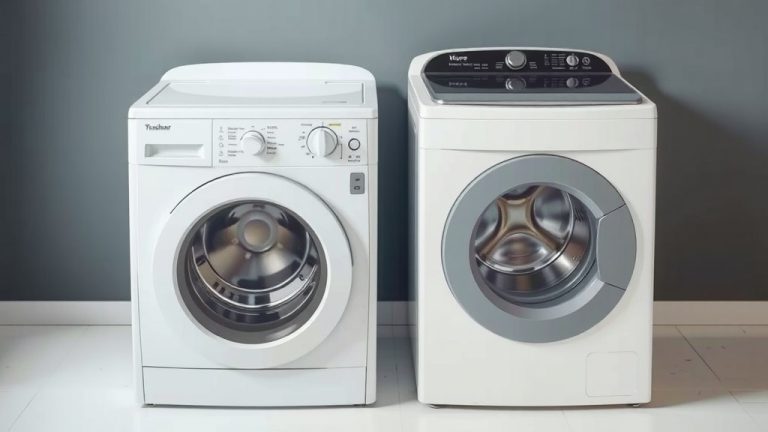
There are two main types of washers: top-load and front-load. Each has its own pros and cons, and they also affect the price.
Top-Load Washers
These are the classic machines many of us grew up with. They tend to be less expensive upfront. They also have shorter wash cycles. However, they often use more water and energy compared to front-loaders. You’ll find both agitator and impeller models. Agitator models are typically more budget-friendly.
Front-Load Washers
Front-load washers are often considered more energy-efficient. They use less water and are gentler on your clothes. Many people also find they get clothes cleaner. Because of these benefits, they usually come with a higher initial cost. We found that front-loaders can add a few hundred dollars to the overall price of a washer and dryer set.
4. Dryer Features and Technology
The dryer is where many advanced features really start to bump up the price. Think about what you truly need versus what sounds nice.
Basic Dryers
A basic dryer simply tumbles your clothes with heat. These are the most affordable options. They get the job done without fuss. You can usually find these models for a few hundred dollars.
Advanced Dryer Features
Modern dryers offer a lot more. Sensor drying, which stops the cycle when clothes are dry, is a common feature that saves energy. Steam cycles can help reduce wrinkles and refresh clothes. Some high-end models even have smart features, allowing you to control them from your phone.
These bells and whistles add to the cost. For example, a dryer with steam or advanced sensor technology might cost $100-$200 more than a basic model. Smart capabilities could add even more.
How Special Cycles and Features Affect Price
Beyond basic washing and drying, manufacturers pack their machines with special cycles and features. While these can be convenient, they also contribute to the overall price.
Wash Cycles Galore
Do you need a delicate cycle for your favorite sweater? Or perhaps a heavy-duty cycle for muddy work clothes? Specialized cycles are great, but each one adds a bit to the machine’s internal components and programming. We found that machines with 10+ wash cycles often cost more than those with just a few.
Steam and Sanitize Options
The use of steam is becoming very popular. Steam cycles can help sanitize your laundry, removing allergens and bacteria. They can also be used to refresh clothes, reducing the need for ironing. Many experts recommend steam cycles for better hygiene (Cleveland Clinic). This feature, however, is usually found on mid-range to high-end models and adds to the cost.
Smart Technology and Connectivity
This is where prices can really climb. Smart washers and dryers connect to your home Wi-Fi. You can often start or stop cycles remotely using a smartphone app. They might also send notifications when a load is done or even diagnose problems. While convenient, this technology comes at a premium. We found that smart sets can easily add several hundred dollars to the price compared to their non-connected counterparts.
Comparing Washer and Dryer Set Prices: A Snapshot
To give you a clearer picture, let’s look at some general price ranges for different types of sets:
| Set Type | Typical Price Range | Key Characteristics |
|---|---|---|
| Basic Top-Load Pair | $700 – $1,200 | Simple cycles, adequate capacity, no advanced features. |
| Standard Front-Load Pair | $1,500 – $2,200 | Good capacity, energy-efficient, basic steam or sanitize options. |
| High-Efficiency Front-Load Pair | $2,000 – $3,000 | Large capacity, advanced cycles, steam, some smart features. |
| Premium/Smart Set | $2,800 – $4,000+ | Largest capacities, extensive smart features, unique cycles, premium materials. |
Remember, these are just averages. You might find a great deal or a splurge item outside these ranges. We found that checking sales events is a smart move.
Tips for Saving Money on Your Washer and Dryer Set
Who doesn’t want to save a little cash? Here are some practical ways to get a great laundry set without overspending:
- Shop during sales events: Major holidays like Black Friday, Memorial Day, and Labor Day often bring significant discounts.
- Consider last year’s models: Retailers often mark down appliances from the previous year to make room for new inventory.
- Look for package deals: Buying the washer and dryer as a set is almost always cheaper than buying them separately.
- Opt for fewer features: If you don’t need steam or smart capabilities, stick to models with essential cycles.
- Check scratch-and-dent sections: Many stores offer discounts on appliances with minor cosmetic imperfections that don’t affect performance.
By being a little strategic, you can definitely find a fantastic new washer and dryer set that fits your budget and your needs.
Conclusion
Upgrading your laundry room doesn’t have to be a guessing game. We’ve found that a new washer and dryer set typically costs between $1,500 and $2,500, but prices can vary widely. Factors like brand reputation, capacity, washer type, and advanced dryer features all play a role. By understanding these elements and keeping an eye out for sales, you can definitely find a reliable and feature-rich set that fits your budget. Your next step? Start comparing models based on your laundry needs and explore those holiday sales!
Frequently Asked Questions
Are smart washer and dryer sets worth the extra cost?
Smart washer and dryer sets offer convenience like remote control and notifications. We found that they can add several hundred dollars to the price. If you value app control and the latest tech, they might be worth it. Otherwise, a non-smart set can provide excellent performance for less.
Is a front-load or top-load washer cheaper?
Generally, top-load washers are less expensive upfront than front-load models. We researched that front-loaders often have a higher initial cost due to their energy efficiency and gentler cleaning action. However, consider long-term water and energy savings with front-load options.
How much does a large capacity washer and dryer cost?
Large capacity washers and dryers can cost more than standard sizes. We found that larger tubs can add $100 to $300 or more to the set’s price. If you frequently wash bulky items or large loads, this investment can save you time.
Are older models of washers and dryers cheaper?
Yes, shopping for last year’s models can lead to significant savings. Retailers often discount appliances to make way for new inventory. We found that these can offer great value, providing essential features at a lower price point.
Is it cheaper to buy a washer and dryer as a set?
Buying a washer and dryer as a set is almost always more economical than purchasing them separately. We looked into package deals and found they are designed to offer better overall value. You’ll usually get a better price per unit when you buy them together.