Pulsator vs Agitator Washing Machine: What’s Best for You
When deciding between a pulsator and an agitator washing machine, know that pulsator models generally offer a gentler clean for your clothes. They use a low-profile disc at the bottom to create a washing current. Agitator models use a tall, central post to twist clothes, which can be tougher on fabrics but may provide a deeper clean for heavily soiled items.
Choosing the right type depends on your laundry needs. We found that pulsator washers are often found in high-efficiency (HE) machines and tend to use less water. Agitator washers are typically found in traditional, top-loading machines and are a familiar sight for many households.
- Pulsators are gentler on clothes.
- Agitators offer a robust clean.
- Pulsator machines often use less water.
- Agitator machines are often less expensive. Agitator machines are often less expensive, but our guide to washing machine costs can help you compare.
- Both have pros and cons for your laundry routine.
Let’s break down the key differences between these two popular washing machine styles and help you figure out which one is the best fit for your home.
Understanding Your Washing Machine’s Cleaning Action: Pulsator vs. Agitator
So, you’re in the market for a new washing machine, or maybe yours is on its last spin cycle? It’s easy to get overwhelmed by all the options. A big choice you’ll face is the type of cleaning action: pulsator or agitator. They both get clothes clean, but they do it in very different ways. We found that understanding these differences can help you pick the machine that’s best for your fabrics and your lifestyle. Our guide to the best-rated top-loading washing machine can help you find the right fit.
The Agitator: A Traditional Workhorse
Think of the classic washing machine. Chances are, it had an agitator. This is that tall, finned post right in the middle of the drum. It’s been around for a long time, and many of us grew up with them.
How an Agitator Works
The agitator’s job is to twist and turn your clothes. It moves back and forth, creating friction between the garments. This action helps to loosen dirt and stains. It essentially forces water through the fabric. We found that this vigorous motion can be quite effective on heavily soiled items like work clothes or sports uniforms.
Pros of Agitator Washers
One big plus is their cleaning power. For tough stains, agitator machines often excel. They can tackle mud, grease, and other stubborn messes. Many consumers also find them familiar and easy to use. Plus, they are often less expensive to purchase upfront compared to some other types. We’ve seen that they tend to have faster wash cycles, too.
Cons of Agitator Washers
Here’s where you might want to pause. That strong cleaning action can be hard on your clothes. The constant twisting and rubbing can lead to wear and tear over time. You might notice fabrics thinning or even snagging. Many agitator models also use more water than newer designs. This can increase your utility bills and isn’t as friendly to the environment. We found that larger, bulky items can sometimes get tangled around the agitator.
The Pulsator: A Gentler Approach
Now, let’s talk about pulsators. You’ll often find these in what are called high-efficiency (HE) top-loading machines. Instead of a central post, they have a low-profile disc at the bottom of the drum. This disc is the star of the show.
How a Pulsator Works
The pulsator disc spins and rotates, creating currents in the water. These currents gently move the clothes around the drum. The clothes rub against each other rather than being twisted by a central post. This action loosens dirt and allows the detergent to penetrate the fabrics. Many experts say this is a much gentler method of cleaning. We found that this approach helps to preserve the integrity of your clothes.
Pros of Pulsator Washers
The biggest benefit is how gentle they are on fabrics. Your clothes tend to last longer because they aren’t subjected to the harsh action of an agitator. Pulsator machines are also known for being water-efficient. They typically use less water per load, which is good for your water bill and the planet. Many of these are HE machines, which are designed for energy savings. We’ve noted that they often have larger capacities because there’s no tall agitator taking up space in the drum.
Cons of Pulsator Washers
While they are gentle, pulsator machines might not always be the best choice for extremely soiled items. For really tough, set-in stains, you might need to pre-treat. Some research suggests that the cleaning action can be slightly less vigorous than an agitator. You might also find that some pulsator models have longer wash cycles. This is because they are designed to be more efficient, which can sometimes take more time. We’ve heard from consumers that the initial cost can be higher, too.
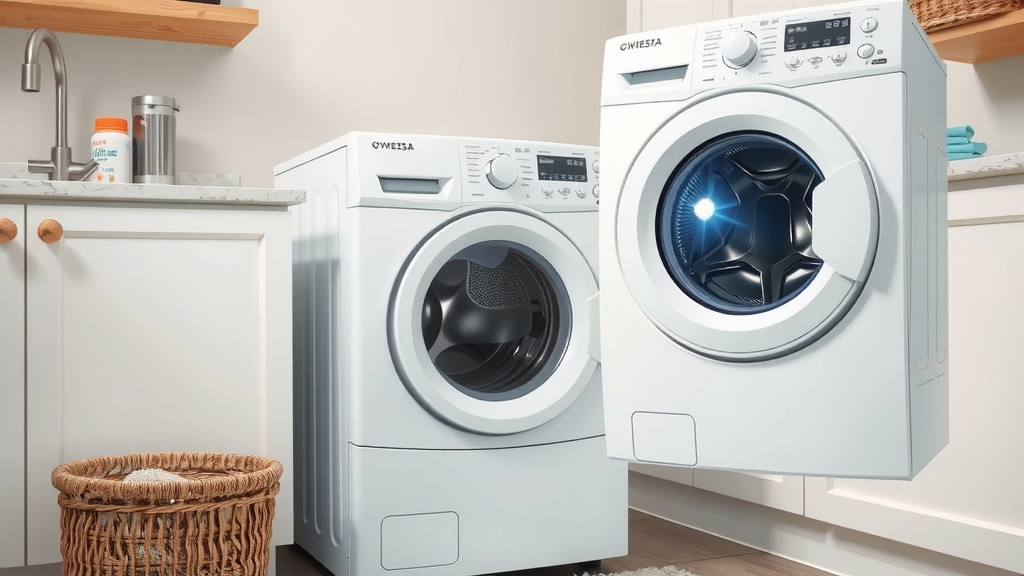
Direct Comparison: Agitator vs. Pulsator in a Nutshell
Let’s break down the key differences in a simple way. It’s like choosing between a vigorous scrub and a gentle soak. Both have their place, but one might be better suited for your specific needs.
| Feature | Agitator Washer | Pulsator Washer |
|---|---|---|
| Cleaning Mechanism | Tall central post twists clothes | Low-profile disc creates water currents |
| Gentleness on Fabrics | Can be rough; may cause wear and tear | Gentler; better for fabric longevity |
| Cleaning Power (Heavy Soil) | Often stronger for tough stains | May require pre-treatment for very tough stains |
| Water Usage | Typically uses more water | Generally uses less water (HE models) |
| Capacity | May be limited by agitator size | Often larger drum capacity |
| Typical Price | Often less expensive upfront | Can be more expensive upfront |
| Wash Cycle Time | Can be faster | May be longer, especially for HE models |
Which Cleaning Action is Right for You?
The best choice really depends on what you prioritize. If you frequently deal with heavily soiled laundry and want the most robust cleaning possible, an agitator might be your go-to. However, if you have a lot of delicate items, want to save water, or simply want your clothes to last longer, a pulsator model is likely a better fit.
Making Your Final Decision
Think about your laundry habits. Do you have kids who track in mud? Are you washing delicate sweaters regularly? Do you want to be more energy-conscious? These are all questions that will guide you. Many experts suggest considering the long-term benefits, like fabric care and water savings, when making your decision.
Key Takeaways for Your Choice
To help you summarize your thoughts, consider this quick checklist:
- Fabric Care: Do you need a gentle wash for delicates?
- Stain Power: Do you tackle really tough stains often?
- Water/Energy Use: Are you looking to conserve resources?
- Load Size: Do you wash large items like comforters?
- Budget: What’s your upfront cost versus long-term savings?
- Familiarity: Do you prefer a traditional machine or a newer design?
Conclusion
Choosing between a pulsator and an agitator washing machine boils down to your laundry priorities. Agitator models offer that familiar, robust clean, ideal for heavily soiled work clothes or sports gear, often at a lower initial cost. On the flip side, pulsator machines provide a gentler wash, extending the life of your garments while using less water and offering larger capacities. Consider your most frequent laundry loads and what matters most—fabric care, efficiency, or tackling tough stains—to make the best choice for your home. Your next step is to look at specific models that fit your needs and budget!
Frequently Asked Questions
Can an agitator damage my clothes?
Yes, the vigorous twisting and rubbing action of an agitator can cause wear and tear on your clothes over time. This might lead to fabrics thinning out or even snagging, especially with frequent washing of delicate items.
Are pulsator washers really more water-efficient?
Generally, yes. Pulsator models, especially high-efficiency (HE) types, are designed to use significantly less water per load. This is because they rely on water currents created by the disc, rather than filling the tub as much as many agitator models do.
Which type of washer is better for delicate fabrics?
Pulsator washers are a better choice for delicate fabrics. Their cleaning action is much gentler, as clothes rub against each other through water currents rather than being aggressively twisted by a central post.
Will a pulsator washer get my really dirty clothes clean?
Pulsator washers can clean effectively, but for extremely soiled items or tough, set-in stains, you might find that an agitator model offers a more powerful clean. For stubborn stains with a pulsator, pre-treating is often recommended.
Which type of washing machine is usually cheaper to buy?
Agitator washing machines are often less expensive to purchase upfront compared to pulsator models. However, you may want to consider long-term savings on water and energy bills, which could favor a pulsator machine.