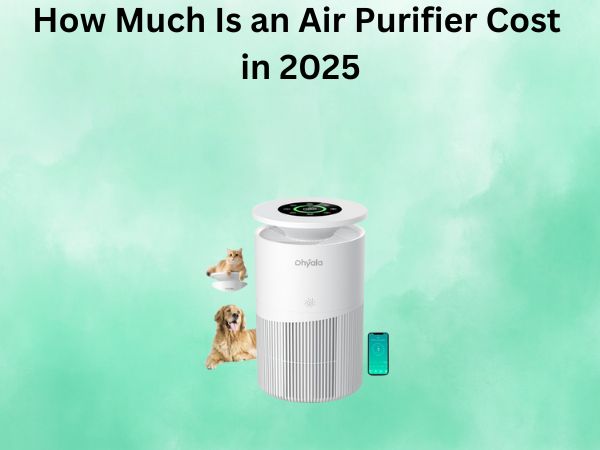
How Much Is an Air Purifier Cost in 2025? A Complete Pricing Guide
When I first started researching air purifiers, the sheer range in prices completely surprised me. You could find everything from budget-friendly options under a hundred dollars to high-end units costing thousands. Quite a spectrum, wouldn’t you agree? If you’re trying to figure out the actual cost in 2025, then this guide is for you. I’ll explain all the key aspects of air purifier pricing, what factors influence these costs, and how to determine if you’re truly getting good value.
Understanding the Air Purifier Market in 2025
The air purifier industry has exploded over the past few years. More people than ever are concerned about indoor air quality, whether it’s due to allergies, pollution, or simply wanting a healthier home environment. This increased demand has created a wider range of products at various price points. Think of it like the smartphone market—you have budget options, mid-range devices, and premium models, each serving different needs and wallets.
In 2025, the air purifier market is more competitive than ever, which is actually good news for consumers like you and me. Competition drives innovation and can sometimes push prices down, though premium brands still command higher prices based on their reputation and advanced features.
The Budget-Friendly Range: Under $200
If you’re on a tight budget, there’s definitely hope for you. The market has plenty of entry-level air purifiers that cost less than two hundred dollars. These are perfect if you’re just starting your journey toward cleaner air or if you want to purify a smaller space.
What You Get at This Price Point
Budget air purifiers typically offer basic filtration systems, usually with a pre-filter and HEPA filter combination. They work reasonably well for capturing dust, pollen, and pet dander. However, don’t expect them to remove odors or handle heavy pollution as effectively as pricier models. They’re like the practical sedan of air purifiers—they get the job done without the bells and whistles.
Most budget models have limited coverage areas, usually suitable for small bedrooms or offices. The noise level might be slightly higher, and they often come with fewer smart features. But here’s the thing—if all you need is basic air cleaning for a compact space, this range offers solid value.
Popular Budget Models and Their Costs
- Basic compact purifiers: $50 to $100
- Small room purifiers with HEPA filters: $100 to $150
- Entry-level models with activated carbon: $150 to $200
The Mid-Range Category: $200 to $600
This is where most consumers end up shopping, and honestly, this is where you’ll find the best balance between price and performance. Mid-range air purifiers are like the goldilocks zone—not too cheap to sacrifice quality, but not so expensive that you’re paying for features you’ll never use.
Enhanced Features in the Mid-Range
At this price level, you’re looking at air purifiers with multiple filtration stages. Most include a pre-filter, HEPA filter, and activated carbon filter. Some models even add ionizers or UV light technology to boost their cleaning power. The coverage area expands significantly, typically handling medium to large living rooms effectively.
You’ll start seeing smart home integration at this level—WiFi connectivity, app control, and compatibility with voice assistants. These features make managing your air quality super convenient. You can check air quality readings from your phone or ask your smart speaker to adjust settings without getting up.
Why This Range Offers Great Value
The mid-range doesn’t feel like you’re settling. You get genuine performance improvements, better build quality, and features that make daily use more pleasant. The filters last longer, the noise is more acceptable, and the overall reliability is noticeably better than budget options.
Manufacturers in this range have figured out the sweet spot. They’ve streamlined production to keep costs reasonable while still including quality components. It’s smart shopping, if I’m being frank with you.
Typical Mid-Range Pricing
- Large room purifiers with smart features: $250 to $350
- Advanced filtration systems: $350 to $450
- Premium mid-range models with extra features: $450 to $600
The Premium Segment: $600 and Above
When you step into the premium air purifier market, you’re entering a different world. These are the high-end devices with cutting-edge technology and impressive specifications. Are they necessary for everyone? No. But for some people and situations, they absolutely make sense.
What Justifies Premium Pricing
Premium air purifiers typically boast superior filtration technology. Many use medical-grade HEPA filters, multiple carbon layers, and advanced technologies like photocatalytic oxidation or plasma ionization. The coverage area is extensive—we’re talking about purifying large homes or commercial spaces effectively.
Build quality is noticeably superior. You’ll find better materials, more durable components, and longer-lasting filters. The noise levels are often lower thanks to improved motor design. Plus, these models usually come with comprehensive warranties and exceptional customer support.
Advanced Features at Premium Prices
You might find air quality sensors that provide incredibly detailed readings, distinguishing between different types of pollutants. Some models include humidification or dehumidification functions. Advanced smart integration means seamless connectivity with your entire smart home ecosystem. Some premium brands even offer subscription services for filter replacements and monitoring.
Premium Price Breakdown
- High-end residential purifiers: $600 to $1,000
- Ultra-premium models with advanced tech: $1,000 to $2,000
- Commercial-grade or luxury brands: $2,000 and up
Factors That Influence Air Purifier Costs
You might be wondering why two air purifiers can cost so differently. Let me explain the various factors that play into pricing.
Filtration Technology and Quality
The type of filters used significantly impacts the price. True HEPA filters cost more than basic filters. Medical-grade or hospital-grade filters push prices higher. Multiple filtration stages increase the overall cost but provide better results. Activated carbon filters, especially larger ones, add to the expense. Think of it this way—better filters catch more pollutants, so manufacturers invest more in them for premium models.
Coverage Area and Room Size Capacity
Larger purifiers with wider coverage areas naturally cost more. A device designed to clean a two-thousand-square-foot home will be more expensive than one for a bedroom. The motor needs to be more powerful, the filter size needs to be larger, and the overall construction requires more materials and engineering.
Smart Features and Connectivity
WiFi connectivity, smartphone apps, voice control compatibility, and air quality sensors all add to the price. If you want to monitor your air quality from anywhere and adjust settings remotely, expect to pay more. These technological additions require research, development, and integration work.
Brand Reputation and Warranty
Established, reputable brands often charge premium prices. You’re paying for their track record, customer service, and trust. Better warranties and longer filter life guarantees also increase the initial investment. Some brands offer extended warranties that definitely affect the final price tag.
Additional Functions and Technologies
Some purifiers include humidifiers, essential oil diffusers, or UV light technology. Others feature special noise reduction technology or aesthetic designs. These extras push the price up. If you’re looking for a basic purifier, you don’t need to pay for these additions.
Filter Replacement Costs: The Hidden Expense
Here’s something many people overlook when buying an air purifier—the ongoing cost of replacement filters. You can find an affordable purifier only to discover that filters cost a fortune, making the long-term investment much higher than expected.
Understanding Filter Replacement Expenses
Budget air purifier filters typically cost between fifteen and forty dollars. Mid-range filters run from twenty-five to seventy dollars. Premium filters can exceed one hundred dollars per filter. Most purifiers require filter changes every three to six months, depending on usage and air quality.
Let’s do some math. If you buy a five-hundred-dollar air purifier with filters costing sixty dollars that need replacement every four months, you’re spending around one hundred eighty dollars yearly just on filters. Over five years, that’s nine hundred dollars in additional costs. The purifier’s true cost isn’t just the purchase price—it’s the total investment including maintenance.
Tips for Minimizing Filter Costs
- Look for purifiers with longer-lasting filters
- Compare annual filter costs before purchasing
- Check if generic filters work with your model
- Buy filters in bulk when possible for discounts
- Some brands offer filter subscription services with discounted rates
Brand Comparison and Pricing Variations
Different brands position themselves differently in the market, which affects their pricing strategy. Let me break down some common brand categories.
Budget-Friendly Brands
These brands focus on affordability without completely sacrificing quality. They’re perfect for cost-conscious consumers. Their models typically range from fifty to three hundred dollars. Brands in this category often have a huge range of options at different price points.
Mid-Tier Established Brands
These are companies with solid reputations and proven track records. They’re trusted by millions of households. Their pricing usually falls between two hundred and eight hundred dollars. You’re paying partly for the brand reliability and customer service excellence.
Premium and Luxury Brands
These high-end brands command premium prices, often ranging from five hundred to over three thousand dollars. They’re known for advanced technology, superior build quality, and exceptional performance. Many people choose these brands for peace of mind and top-tier performance.
Seasonal Pricing and When to Buy
Here’s a smart shopping tip—air purifier prices fluctuate throughout the year. Knowing when to buy can save you significant money.
Best Times to Purchase Air Purifiers
Spring is typically a great time because allergy season is approaching, and retailers often run promotions. Fall sees price reductions as manufacturers introduce new models. Holiday seasons like Black Friday and Cyber Monday offer substantial discounts. Year-end clearance sales can yield impressive savings.
Summer and winter tend to have fewer sales, as demand shifts. Spring and fall allergies drive shopping during those seasons, creating competitive pricing opportunities.
Online Versus In-Store Pricing
Where you shop affects the final price you pay. Online retailers often have lower prices because of reduced overhead costs. You might find better deals on e-commerce platforms, though shipping could eat into savings for heavy units.
Physical stores might offer slightly higher prices, but you get immediate availability and the chance to see the product firsthand. Some stores offer price matching or loyalty discounts that could bring prices down.
Warranty and Extended Protection Costs
Don’t overlook warranty options when calculating total cost. Standard warranties typically last one to three years. Extended warranties might cost an additional fifty to two hundred dollars, depending on the purifier’s price and the coverage period.
While extended warranties aren’t always necessary, they provide peace of mind for expensive purchases. Consider your risk tolerance and the purifier’s durability before deciding.
Specific Use Cases and Pricing Implications
For Allergies and Asthma
If you’re buying specifically for allergy or asthma relief, you might need a more robust system. True HEPA filters are essential, which increases the cost. Expect to spend at least two hundred to five hundred dollars for an effective unit.
Pet Owners
Pet hair and dander require strong filtration. You’ll want a purifier with excellent pre-filters and regular filter replacements. Budget between three hundred and seven hundred dollars for a quality pet-specific system.
Smoke and Odor Removal
These require activated carbon filters and superior filtration systems. Budget at least three hundred to eight hundred dollars for effective smoke and odor elimination.
Cost-Benefit Analysis: Is the Investment Worth It?
Let me help you think through whether an air purifier investment makes sense for your situation. The answer depends on your specific circumstances.
If you live in a high-pollution area, have allergies, or have family members with respiratory issues, the health benefits absolutely justify the investment. Improved sleep, fewer allergy symptoms, and better overall respiratory health have real value.
If you live in a generally clean area without specific air quality concerns, a budget to mid-range purifier might be sufficient. The investment is still reasonable for long-term health benefits.
Conclusion
So, how much is an air purifier cost in 2025? The answer really depends on your needs, budget, and priorities. You can find functional units under two hundred dollars, excellent mid-range options between two hundred and six hundred dollars, and premium models exceeding a thousand dollars. The key is understanding what you’re paying for and ensuring the investment aligns with your air quality needs and budget constraints. Remember to factor in ongoing filter replacement costs when calculating the true cost of ownership. Whether you choose a budget-friendly option or splurge on a premium model, the important thing is taking steps to improve your indoor air quality. Your health is worth the investment.
Frequently Asked Questions
What is the average cost of a good quality air purifier in 2025?
A good quality air purifier typically costs between three hundred and six hundred dollars in 2025. This price range offers a solid balance between performance and affordability, providing effective filtration with smart features and decent coverage area. You get reliable brands with proven track records without overpaying for unnecessary premium features.
Can I find an effective air purifier under one hundred dollars?
Yes, you can find effective air purifiers under one hundred dollars, but they usually work best for small spaces. These budget models typically have basic HEPA and carbon filtration, suitable for bedrooms or small offices. However, for larger rooms or more comprehensive pollutant removal, spending more will give you better results and longer-lasting filters.
Are expensive air purifiers worth the extra cost?
Expensive air purifiers offer premium benefits like superior filtration, larger coverage areas, advanced smart features, and better build quality. They’re worth the extra cost if you have significant air quality concerns, allergies, or respiratory issues. For general household use without specific concerns, mid-range options often provide excellent value.
How much should I budget for air purifier filter replacements annually?
Budget between one hundred and three hundred dollars annually for filter replacements, depending on your purifier model and air quality. Budget purifiers might cost fifty to one hundred fifty dollars yearly, while premium models could reach three hundred or more. Check filter costs before purchasing to understand the true long-term investment.
Do cheaper air purifiers really work, or is it better to invest in expensive ones?
Cheaper air purifiers do work for basic filtration needs, removing dust, pollen, and pet dander effectively. However, expensive models typically offer more advanced filtration for complex pollutants, larger coverage areas, and better durability. Choose based on your specific needs rather than price alone—a mid-range purifier often provides