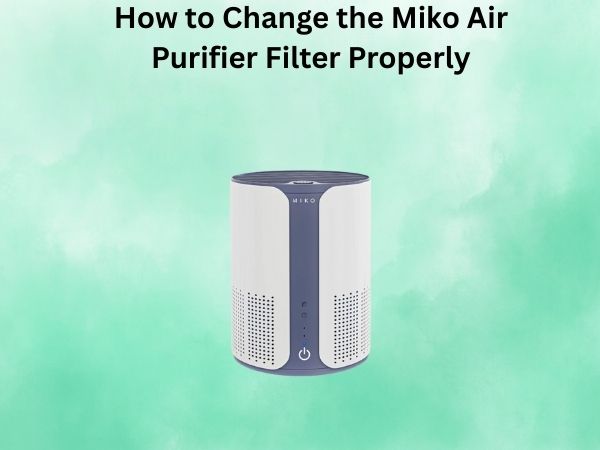
How to Change the Miko Air Purifier Filter Properly
Having relied on my Miko air purifier for quite some time, I’ve personally experienced the significant improvement it brings to my home’s air quality. To ensure this essential appliance continues to perform at its peak, routine upkeep is necessary. Among these tasks, knowing how to properly change the air filter stands out as vital, directly impacting the purifier’s efficiency and effectiveness.
In this article, I’m going to walk you through the step-by-step process of changing the Miko air purifier filter. I’ll cover everything from the tools and supplies you’ll need to the best techniques for ensuring a smooth and successful filter replacement. Whether you’re a first-time air purifier owner or a seasoned pro, this guide will help you keep your Miko running like new.
Why Change the Miko Air Purifier Filter?
The Miko air purifier filter plays a crucial role in the overall performance of the device. Over time, the filter becomes clogged with dust, pollen, and other airborne particles, reducing its ability to effectively clean the air in your home. A dirty filter can also cause the air purifier to work harder, leading to decreased efficiency and increased energy consumption.
Regularly changing the Miko air purifier filter ensures that the device continues to operate at its best, removing pollutants and allergens from the air and keeping your indoor environment fresh and clean. It’s a simple task that can have a big impact on the quality of the air you and your family breathe.
How Often Should You Change the Miko Air Purifier Filter?
The frequency with which you need to change the Miko air purifier filter will depend on a few factors, including:
- The level of air pollution in your local environment
- The number of people and pets living in your home
- How often you use the air purifier
As a general rule, Miko recommends changing the filter every 6 to 12 months, or more frequently if the filter appears dirty or the air purifier’s performance starts to decline. It’s a good idea to keep an eye on the filter and change it whenever you notice a decrease in air flow or a noticeable decrease in the device’s cleaning power.
Preparing to Change the Miko Air Purifier Filter
Before you begin the filter replacement process, there are a few things you’ll need to gather:
- A replacement Miko air purifier filter (make sure to get the correct model for your device)
- A clean, dry cloth or paper towels
- A vacuum cleaner with a hose attachment (optional, but helpful for cleaning the interior of the air purifier)
Once you have everything you need, find a clean, well-lit area to work in, and make sure the air purifier is unplugged from the power source.
Step-by-Step Guide to Changing the Miko Air Purifier Filter
Step 1: Locate the Filter
The first step is to locate the air filter in your Miko air purifier. Depending on the model, the filter may be accessed from the front, side, or back of the device. Consult your user manual if you’re unsure of the exact location.
Step 2: Remove the Old Filter
Once you’ve located the filter, gently pull it out of the air purifier. You may need to apply a little force, but be careful not to damage the filter or the surrounding components. If the filter is particularly dirty, you can use the vacuum cleaner hose attachment to remove any large debris before discarding the old filter.
Step 3: Clean the Interior
With the old filter removed, use a clean, dry cloth or paper towels to wipe down the interior of the air purifier, removing any dust or debris that may have accumulated. This will help ensure that the new filter operates at its best.
Step 4: Insert the New Filter
Take the replacement Miko air purifier filter and carefully insert it into the designated slot or compartment. Make sure the filter is properly aligned and secure, following any instructions provided in the user manual.
Step 5: Reassemble the Air Purifier
Once the new filter is in place, replace any covers or panels that you removed to access the filter. Ensure that everything is properly secured before plugging the air purifier back in and turning it on.
Step 6: Reset the Filter Indicator (if applicable)
Many Miko air purifiers have a built-in filter indicator light or display that alerts you when it’s time to change the filter. If your model has this feature, be sure to reset the indicator after changing the filter to ensure it accurately tracks the remaining filter life.
Conclusion
Changing the Miko air purifier filter is a straightforward task that can have a significant impact on the performance and efficiency of your device. By following the steps outlined in this guide, you can ensure that your Miko air purifier continues to provide clean, fresh air for your home. Remember to change the filter regularly and keep the interior of the device clean, and you’ll be able to enjoy the benefits of your Miko air purifier for years to come.
FAQs
How do I know when it’s time to change the Miko air purifier filter?
The Miko air purifier filter should be changed every 6 to 12 months, or more frequently if you notice a decrease in air flow or cleaning performance. Some Miko models also have a filter indicator light or display that will alert you when it’s time to replace the filter.
Can I wash the Miko air purifier filter?
No, the Miko air purifier filter is not designed to be washed or cleaned. Attempting to clean the filter can damage it and reduce its effectiveness. It’s best to simply replace the filter according to the manufacturer’s recommended schedule.
What happens if I don’t change the Miko air purifier filter?
If you don’t change the Miko air purifier filter regularly, the device will become less effective at cleaning the air in your home. The filter will become clogged with dust and other particles, reducing air flow and the purifier’s ability to remove pollutants and allergens. This can lead to decreased air quality and potentially higher energy costs as the air purifier works harder to maintain performance.
Can I use a generic air filter in my Miko air purifier?
No, it’s important to use the specific replacement filter recommended by Miko for your air purifier model. Generic filters may not fit properly or provide the same level of filtration and performance as the Miko-branded filters.
How do I dispose of the old Miko air purifier filter?
Once you’ve replaced the Miko air purifier filter, you can simply discard the old filter in your regular household trash. There’s no special disposal method required, but you may want to place the filter in a plastic bag before throwing it away to contain any dust or debris.