Top Loader Laundry: How Much Can You Safely Wash
Yes, you can load your top-loading washing machine with laundry until the clothes are loosely packed and can move freely. Overloading your machine can prevent proper washing and rinsing. It’s better to wash slightly smaller loads to ensure everything gets clean.
Understanding how much laundry to put in is key. A machine that’s too full won’t agitate properly. This means your clothes might not get truly clean. It can also put extra strain on your machine, potentially leading to costly repairs down the line.
- Don’t pack clothes too tightly.
- Leave space for movement.
- Smaller loads clean better.
- Avoid overfilling to protect your machine.
Let’s walk through exactly how to figure out the right amount of laundry for your top-loader so you can get those clothes sparkling clean every time.
“`htmlMaximizing Your Top-Loader: How Much Laundry Fits?
You’re ready to tackle that laundry pile, and your trusty top-loader is waiting. But how full can you actually make it? The general rule is to fill your machine so clothes are loosely packed and can move freely during the wash cycle. Think of it like a comfy bed for your clothes, not a sardine can.
Packing your machine too tightly is a common mistake. It stops clothes from getting properly agitated and rinsed. This means dirt and detergent can linger. It also puts unnecessary wear and tear on your washer. We want your clothes clean and your machine happy!
Understanding Your Top-Loader’s Capacity
Top-loading washing machines come in various sizes. Their capacities are usually measured in cubic feet. A larger capacity machine can handle more laundry than a smaller one. Always check your owner’s manual for specific capacity recommendations. It’s your best friend for laundry care. Our guide to the best-rated top-loading washing machines can help you find a reliable model.
Many machines have a maximum fill line. This is often inside the drum. It’s a good visual cue, but remember it’s not a target to hit. Overfilling happens when you stuff clothes past this line. You can also overfill by packing items too densely. Your goal is to leave ample room for movement.
The “Loose Pack” Principle
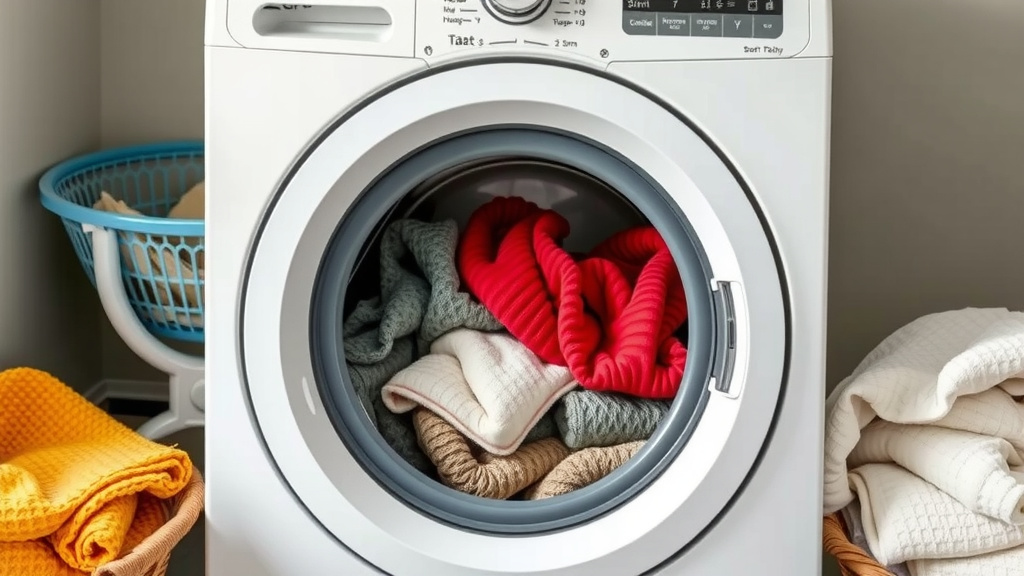
Imagine tossing a bunch of clothes into the drum. They should fall loosely. You should be able to see space between them. This allows water and detergent to circulate. It also lets clothes rub against each other gently. This friction is key to getting them clean.
A good way to test if you’ve packed too much is to look from the top. If you can’t see much of the drum bottom, you’ve likely overfilled. Another test is to gently push down on the load. If it feels very compressed and firm, it’s too full. You want it to feel soft and yielding.
Why Overloading is a Problem
When your top-loader is too full, the agitator (the tall post in the middle of some machines) or the impeller (a low-profile disc at the bottom of others) can’t do its job effectively. The clothes just sit there, packed too tightly. They don’t get the necessary tumbling or swishing action. This results in less effective cleaning.
Beyond just dirty clothes, overloading can cause other issues. The machine might struggle to spin properly. This leaves clothes wetter than they should be. This means longer drying times. Worse, the motor and other components can be strained. This can lead to premature wear and tear. We’ve found that many washer repairs stem from simple overloading (Consumer Reports).
Impact on Cleaning and Rinsing
Detergent needs water to dissolve and spread. If clothes are packed too tightly, water struggles to reach all surfaces. This means dirt might not get lifted. And during the rinse cycle, trapped detergent can remain in the fabric. This can leave clothes feeling stiff or even cause skin irritation for sensitive individuals.
Strain on Your Washing Machine
A heavily overloaded machine works much harder. The motor has to fight against the weight and resistance of the packed clothes. This generates more heat. It can damage bearings, belts, and other moving parts. Over time, this can lead to costly breakdowns. Think of it like trying to run a marathon carrying an oversized backpack – it’s just not sustainable!
Signs Your Top-Loader Might Be Overloaded
Your machine might give you clues that it’s too full. Is it making unusual noises? A struggling motor might hum or groan. Is the cycle taking longer than usual? This could indicate it’s having trouble agitating or spinning.
Another sign is if clothes come out still visibly dirty or soapy. Or perhaps they feel grimy even after a wash. These are clear indicators that your load size needs adjustment. Trust your machine’s signals!
Tips for Optimal Top-Loader Loads
It’s all about finding that sweet spot. You want a load that’s substantial enough to be efficient but not so large that it impedes cleaning. Here are some practical tips:
- Consider the type of fabric. Bulky items like towels and blankets take up more space than lighter items like t-shirts. Adjust your load size accordingly.
- Don’t mix tiny and huge items. A load of just socks won’t fill the machine efficiently. Similarly, a few large towels might leave little room for water circulation.
- Pre-sort your laundry. This helps you gauge potential load sizes for different types of items. It also ensures colors don’t bleed.
- When in doubt, make two loads. It’s better to run an extra, smaller load than to risk damaging your machine or having poorly cleaned clothes.
- Check the manual! Seriously, it’s the most accurate source for your specific model.
A Quick Load Size Checklist
Before you hit start, quickly run through this:
- Can you easily fit your hand down between the clothes and the side of the drum?
- Do the clothes look like they can tumble and move freely?
- Is the drum less than 3/4 full of loosely packed items?
- Are you using an appropriate amount of detergent for the load size?
- Have you avoided packing items down tightly?
- Does the load feel light and airy, not dense and heavy?
By following these guidelines, you’ll ensure your top-loader does its best work. Your clothes will come out cleaner, and your machine will thank you with a longer lifespan. Happy washing!
“`
Conclusion
You’ve learned that the secret to a sparkling clean load and a happy washing machine is all about balance. Avoid stuffing your top-loader to the brim; instead, aim for a loose pack where clothes can move freely. This ensures proper agitation, effective rinsing, and protects your machine from unnecessary strain. Remember, a slightly smaller load is always better than an overloaded one. Next time you’re doing laundry, take a moment to check your load size using our simple tips, and your clothes (and your washer) will thank you for it!
Frequently Asked Questions
How full should the drum of my top-loader be?
Your top-loader’s drum should be about 3/4 full with loosely packed items. You should be able to see space between the clothes, allowing them to tumble freely. Don’t aim to fill it to the very top or pack items down tightly.
Will my top-loader clean clothes better if I stuff it full?
No, stuffing your top-loader full actually leads to less effective cleaning. When clothes are packed too tightly, water and detergent can’t circulate properly. This prevents the agitator or impeller from moving the clothes effectively to lift dirt.
What happens if I overload my top-loading washing machine?
Overloading can cause several problems. Your clothes might not get clean, and detergent may not rinse out properly. It also puts significant strain on your washing machine’s motor and other components, potentially leading to costly repairs.
How can I tell if I’ve put too many clothes in my top-loader?
You might notice unusual noises, like humming or groaning, from the machine. Clothes may come out still dirty or soapy, or the spin cycle might leave them much wetter than usual. If the load feels very compressed, it’s likely too full.
Can I wash bulky items like blankets in my top-loader?
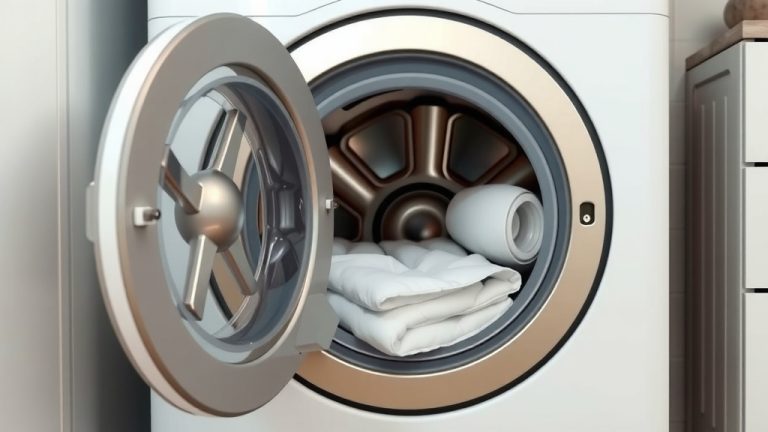
Yes, you can wash bulky items, but you’ll need to adjust your load size. A single large blanket might take up most of the drum. Ensure there’s still room for water to circulate and for the item to move, even if it’s just one large piece.