How Much Laundry Fits Your Front Loader
You should fill your front loader with about half to two-thirds full. This ensures your clothes have enough room to tumble freely. Overfilling can prevent proper washing and rinsing, leaving clothes dirty and damp. Underfilling wastes water and energy, and might not clean clothes effectively.
Finding the sweet spot for your laundry load is key to efficient washing. Too many clothes can strain your machine and lead to poor results. Too few, and you’re wasting resources. We found that the best load size depends on the machine and the type of fabric you’re washing.
- Don’t stuff your front loader completely.
- Aim for about 50-66% capacity.
- Clothes need space to move freely.
- Too much or too little can cause issues.
Let’s walk through exactly how to gauge the right amount of laundry for your front loader to get the cleanest clothes.
Figuring Out the Right Load Size for Your Front Loader
So, you’ve got your laundry sorted and you’re ready to tackle that mountain of clothes. But how much actually *goes* in the machine? It’s a question many of us ponder as we stand there, holding a bulging laundry basket. We’ve done some digging, and the general consensus is that you should aim to fill your front loader about **half to two-thirds full**. This gives your clothes the space they need to move freely and get properly clean.
Why Load Size Matters for Your Front Loader
Your front-loading washing machine is designed to work efficiently when clothes can tumble freely. It’s not like older top-loaders where water levels were the primary concern. With a front loader, it’s all about the movement of the clothes themselves.
The Science of Tumble Cleaning
Think of it like a good workout. Your clothes need room to stretch, turn, and get a good scrub. When a machine is too full, the clothes just sort of sit there, squished together. This means detergent might not reach everywhere, and rinsing can be a real struggle.
What Happens When You Overfill?
Overfilling your front loader is like trying to pack too many people into a small car for a long trip. It’s just not going to work well. You risk several things:
- Poor cleaning: Clothes won’t agitate properly, leaving dirt and grime behind.
- Inadequate rinsing: Detergent might not get fully washed out, leaving residue on your garments.
- Strained machine parts: Overloading can put extra stress on the drum and motor over time.
- Longer drying times: If clothes aren’t spun out well, they’ll come out wetter than they should.
Many appliance manufacturers strongly advise against overstuffing. They want your machine to perform at its best for years to come.
What Happens When You Underfill?
On the flip side, running a machine with very few items isn’t ideal either. It might seem like you’re being efficient, but you’re actually wasting resources. Think about it: the machine still uses a set amount of water and energy, regardless of how many clothes are inside.
- Wasted resources: You’re using water and electricity for just a few items.
- Uneven cleaning: With too much space, clothes might not tumble effectively, leading to less thorough cleaning.
- Potential for imbalance: A very small load can sometimes cause the machine to become unbalanced during the spin cycle.
How to Visually Judge the Right Amount of Laundry
Since there isn’t always a strict weight limit provided by manufacturers for typical household use, visual cues are your best friend. We’ve found that using your hands and eyes is often the easiest method.
The “Hand Test” for Load Size
When you’re loading your front loader, imagine a hand. You should be able to place your hand vertically on top of the clothes. If you can comfortably slide your hand down between the clothes and the top of the drum, you’re likely in the right ballpark. If it feels like you’re forcing your hand in, or if the clothes are packed tightly to the sides, it’s probably too full.
The “Air Space” Rule
Another simple way to think about it is to ensure there’s plenty of air space. Your clothes should have room to move around and not be completely compressed. If you can see the bottom of the drum easily through the gaps in the clothes, you might have too little. If you can’t see the drum bottom at all because the clothes are densely packed, you likely have too much.
| Load Size | Visual Cue | Effectiveness |
|---|---|---|
| Too Small | Plenty of drum visible. Clothes have excessive space. | Wastes resources, potential for imbalance. |
| Just Right | Drum is about 50-66% full. Clothes can tumble freely. Enough space for your hand to fit vertically. | Efficient cleaning and rinsing. Protects machine. |
| Too Full | Drum is almost completely packed. Clothes are compressed. Little to no space for movement. | Poor cleaning, inadequate rinsing, potential machine strain. |
Considering Fabric Types and Bulkiness
The type of fabric you’re washing makes a difference, too. Heavier items like towels or jeans take up more space and weight than lighter items like t-shirts or undergarments. You can fit fewer towels in a load than you can t-shirts.
Bulky Items Need Extra Room
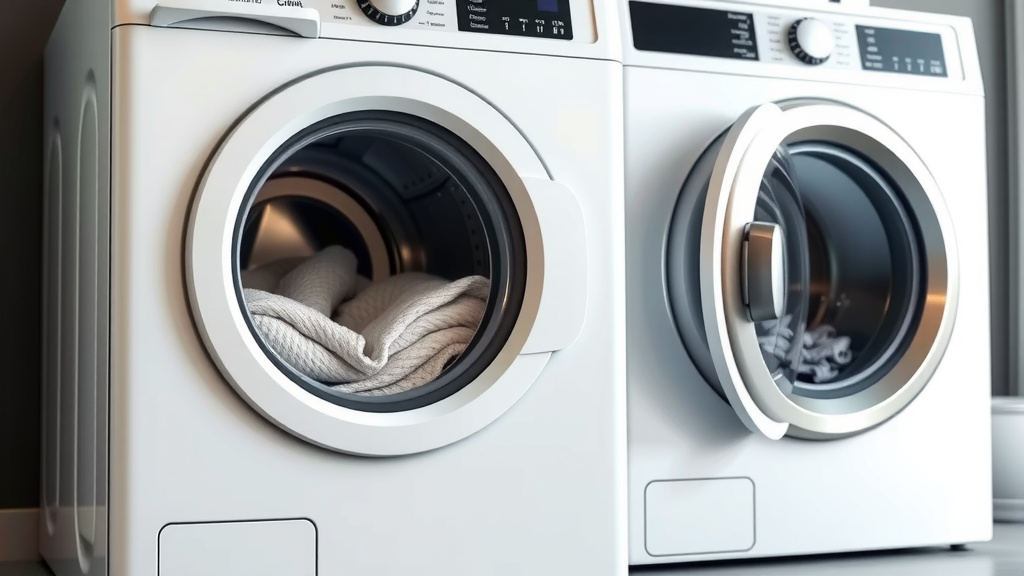
When washing bulky items, such as comforters or large blankets, it’s especially important not to overstuff. These items expand significantly when wet. Many washing machine manuals suggest washing only one bulky item at a time to maintain balance and ensure proper cleaning.
Delicates and Small Loads
For delicate items or very small loads, you might find yourself washing fewer pieces. While underfilling a tiny bit is better than overfilling, try to group similar delicate items together or save them for when you have a slightly larger load of lighter fabrics. Many modern machines have specific settings for smaller loads, which can help optimize water and energy usage.
Quick Checklist for Perfect Front Loader Loads
Here’s a simple way to remember the best practices:
- Check the Drum: Before starting, look at how full the drum is.
- Use the Hand Test: Can you fit your hand vertically between clothes and the drum top?
- Allow for Movement: Ensure clothes have room to tumble freely.
- Avoid Compression: Don’t pack clothes down tightly.
- Consider Fabric Type: Bulky items need more space than light ones.
- Don’t Overstuff: It’s better to have a slightly smaller load than too large.
Conclusion
You’ve learned that the secret to a clean wash in your front loader is giving your clothes enough room to tumble. Aim for a load that’s about half to two-thirds full. This sweet spot ensures effective cleaning and rinsing. It also protects your machine from unnecessary strain and prevents wasted water and energy. Pay attention to visual cues like the “hand test” and ensure there’s ample air space. By following these simple guidelines, you’ll get the best results every time. Now, go ahead and tackle that laundry pile with confidence!
Frequently Asked Questions
How do I know if I’m putting too much laundry in my front loader?
If you have to forcefully stuff clothes into the drum or they are packed tightly against the sides, it’s likely too full. You should also avoid a situation where you can’t fit your hand vertically between the clothes and the top of the drum. Overfilling prevents proper movement and cleaning.
Is it really bad to run my front loader with only a few items?
While it’s better than overfilling, running a machine with only a few items isn’t ideal. Your washer uses a consistent amount of water and energy for each cycle, regardless of load size. This means you’re wasting resources when washing very small loads.
Can I wash bulky items like blankets in my front loader?
Yes, but with caution. Bulky items expand significantly when wet and need extra space. Many manufacturers recommend washing only one large bulky item at a time to maintain balance and ensure it gets properly cleaned and rinsed.
What if I have a mix of delicate and regular clothes?
It’s best to sort your laundry by fabric type and color. While you can sometimes wash a small load of delicates with lighter regular items if the load isn’t too full, it’s generally recommended to wash them separately. Check your machine’s manual for specific cycles designed for mixed loads or delicates.
Do front loaders have weight limits I should be aware of?
While manufacturers don’t typically list precise weight limits for everyday household use, the general rule is to avoid overloading the drum based on volume. Rely on visual cues and the “hand test” rather than trying to weigh your laundry for standard washes. Very heavy items like wet towels can add significant weight, so be mindful.