How Much Square Footage Does a Dyson Air Purifier Cover? A Complete Guide
Are you staring at your room, debating if a Dyson air purifier can genuinely purify an area of its size? That’s a common and important concern. I’ve personally explored this exact dilemma, and the reality is, the answer isn’t always simple. How much space a Dyson purifier covers depends on several crucial elements, and knowing them will empower you to select the ideal unit for your household.
Understanding Air Purifier Coverage: What Does Square Footage Really Mean?
Before we dive into the specific numbers, let’s talk about what we actually mean when we discuss square footage coverage. When manufacturers talk about how much space an air purifier covers, they’re not just pulling numbers out of thin air. They’re considering factors like the air changes per hour, or ACH as it’s commonly called in the industry.
Think of it this way: if your air purifier can change the air in your room five times per hour, that’s considered effective coverage. The bigger your space, the harder your purifier has to work to achieve this. It’s kind of like trying to heat a house with a small space heater—technically possible, but not ideal.
Dyson Air Purifier Models and Their Coverage Capacity
Dyson has released several air purifier models over the years, and each one handles different square footage differently. Let me break down the main players in their lineup and what you can realistically expect from each.
The Dyson Pure Hot Plus Cool: Your All-in-One Solution
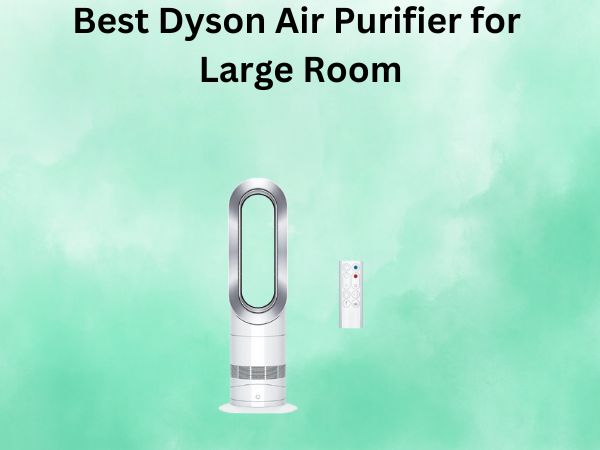
The Dyson Pure Hot Plus Cool is one of their most popular models, and for good reason. This beast can effectively cover up to 1,000 square feet in a single room. Yes, you read that right—1,000 square feet. That’s roughly the size of a two-bedroom apartment or a large open-concept living space.
But here’s the catch: that 1,000 square foot coverage assumes you’ve got decent air circulation and the unit is placed in an optimal location. If you’ve got a room that’s basically a maze with corners and dead zones, you might not get quite that level of performance. I’d personally recommend it for rooms up to about 800 square feet if you want really pristine air quality.
The Dyson Pure Cool: Compact Yet Capable
If you’re looking for something a bit more compact, the Dyson Pure Cool is your go-to option. This model can cover approximately 800 square feet effectively. It’s smaller than its heated cousin, which makes it perfect if you’re short on space but still want serious air purification.
I’ve found that this model works particularly well in bedrooms, home offices, or medium-sized living rooms. The portability factor is also a huge plus—you can move it around to different rooms depending on where you need it most.
The Dyson Pure Cool Cryptomic: The Advanced Option
Then there’s the Dyson Pure Cool Cryptomic, which covers up to 1,000 square feet. The main difference with this model is the addition of the cryptomelane-coated filter, which is particularly effective at removing harmful gases like formaldehyde. So you’re getting the same coverage as the Pure Hot Plus Cool, but with enhanced gas filtration capabilities.
The Dyson Pure Cool Me: Personal Air Purification
Now, the Dyson Pure Cool Me is a bit different. This personal air purifier is designed for smaller spaces and covers approximately 150 to 250 square feet. It’s perfect for your desk, bedroom nightstand, or a small nursery. Don’t let the smaller coverage fool you—it’s incredibly effective for targeted personal air purification.
How Dyson Tests Square Footage Coverage
You might be wondering how Dyson actually comes up with these coverage numbers. They don’t just guess, I can tell you that much. Their testing involves placing the purifier in a room of specific dimensions and measuring how effectively it reduces particulates over time.
The methodology typically involves testing in a sealed room with controlled pollution levels. They monitor how long it takes to reduce pollutants like dust, pollen, and other particles to acceptable levels. The square footage rating usually represents the maximum room size where the purifier can achieve a certain air change rate—usually five times per hour.
Factors That Affect Your Dyson’s Coverage Performance
Here’s where things get real. Just because Dyson says a model covers 1,000 square feet doesn’t mean it will perform perfectly in your 1,000 square foot space. Several variables come into play, and understanding these will help you set realistic expectations.
Room Layout and Air Circulation
The shape of your room matters tremendously. An open, rectangular room without obstacles will see much better coverage than a space filled with furniture, curtains, and other items that block airflow. If your room has a lot of nooks and crannies, you might want to size down your expectations or consider strategic placement.
Ceiling Height and Ventilation
Most coverage ratings assume standard eight-foot ceilings. If you’ve got vaulted ceilings or a loft space, you’ll need a more powerful unit. Conversely, if your ceilings are lower or you have unusual ventilation patterns, your effective coverage might be greater than the specs suggest.
Filter Condition and Maintenance
A dirty filter is like asking an athlete to run a marathon while carrying a backpack. Your Dyson’s coverage area directly depends on how clean and well-maintained its filters are. A clogged filter will reduce the unit’s effectiveness dramatically, sometimes by half or more.
Room Seal and Air Leakage
If your room has doors open, windows that don’t seal properly, or other sources of outside air coming in, your purifier will be working overtime. The more sealed your room is, the more efficient your Dyson will be at maintaining clean air.
Pollution Levels in Your Area
If you live in an area with particularly high pollution, smoke from nearby fires, or other air quality issues, your purifier might not achieve its rated coverage because it’s constantly battling incoming pollutants.
Optimal Placement for Maximum Coverage
Where you place your Dyson air purifier is absolutely critical. I can’t stress this enough. You could have the most powerful unit on the market, but if it’s stuck in a corner behind the couch, you’re not going to get the coverage you’re paying for.
Ideally, place your purifier in a central location with good airflow. Avoid placing it directly against walls or in enclosed spaces. If your room is large, consider that the purifier needs to pull air from all areas of the room, so central placement is your best bet.
For multi-room coverage, you might need to get creative. Some people rotate their units between rooms, while others opt for multiple smaller units. It really depends on your specific situation and how serious you are about maintaining air quality throughout your home.
Comparing Dyson Coverage to Other Air Purifier Brands
Now, you might be wondering how Dyson stacks up against other brands. The honest truth is that Dyson’s coverage ratings are competitive, though not necessarily the best in the market. Some budget brands claim higher coverage areas, but you’ve got to look at the filtration quality and air change rates to really compare apples to apples.
Dyson’s strength isn’t necessarily in covering the most square footage for the lowest price. It’s in the quality of filtration, the sleek design, and the fact that many of their units double as fans or heaters. You’re paying a premium, but you’re getting a multi-functional device.
How to Calculate if a Dyson is Right for Your Space
Let me give you a practical way to figure out if a specific Dyson model will work for you. First, measure your room’s square footage. Then, consider the factors I mentioned earlier—layout, ceiling height, ventilation, and cleanliness.
Here’s a rough guideline: if your room is 20% smaller than the rated coverage, you should be good. So for a 1,000 square foot rated unit, it’ll work wonderfully in an 800 square foot space. If your room is at or slightly above the rated coverage, you’ll still get decent performance, but you might not achieve that ideal five air changes per hour.
Real-World Usage: What Dyson Owners Actually Experience
Let me share what I’ve found from talking to actual Dyson owners. Most people with the Pure Hot Plus Cool in spaces up to 900 square feet are extremely satisfied with the coverage. They notice cleaner air, fewer allergens, and overall improvement in indoor air quality.
People who try to use it in spaces significantly larger than rated coverage often report that they can notice a difference in air quality if they’re paying attention, but it’s not as dramatic as they’d hoped. The moral of the story? Stick within the rated coverage, and you’ll be happy. Go above it, and you’re gambling.
Multi-Room Coverage Strategies
If you need to cover multiple rooms or a very large space, you’ve got several options. You can purchase multiple Dyson units and place them strategically throughout your home. Or, you can invest in a whole-home filtration system, though that’s a different product category entirely.
Some people use a more budget-friendly approach: they place one powerful unit in their main living area where they spend the most time, then use a smaller personal unit like the Pure Cool Me in their bedroom.
Maintenance Impact on Coverage Performance
I want to emphasize this again because it’s so important: maintenance directly affects how much square footage your Dyson can effectively cover. The filter is the heart of your air purifier, and Dyson recommends replacing filters annually if you’re using the unit regularly.
In addition to filter replacement, you should regularly clean the pre-filter and the exterior. Dust buildup reduces airflow, which means reduced coverage. Set a reminder on your phone—seriously, do it. Your air quality depends on it.
Seasonal Considerations for Coverage Effectiveness
Your air purifier’s effectiveness can vary by season. During high pollen seasons, allergy season, or when you’ve got the windows open frequently, your Dyson will be working harder to maintain the same level of air quality. This can mean that your effective coverage decreases during these periods because the unit is fighting harder to keep up with incoming pollutants.
Understanding ACH Ratings
I mentioned ACH earlier, but let me dive deeper. ACH stands for air changes per hour. A typical air purifier is rated for a certain square footage at a specific ACH level, usually four to five.
Here’s what this means in practical terms: if your Dyson achieves four air changes per hour in a 1,000 square foot space, it means all the air in that space is being filtered and recirculated four times every hour. That’s pretty thorough.
If you want faster air changes—say, six or more per hour—you’d need a more powerful unit or a smaller space. Most people find that four to five ACH is sufficient for noticeable air quality improvement.
Noise Levels and Coverage: A Trade-off Worth Considering
Here’s something people don’t always think about: higher coverage usually means more powerful fans, which means more noise. Dyson units are generally quieter than many competitors, but the more powerful models do generate some sound.
If you’re planning to use your purifier in a bedroom, you might want to opt for a model with adequate coverage for your space rather than the maximum coverage available. You’ll sleep better, and your air will still be clean.
Making Your Final Decision
So, how much square footage does a Dyson air purifier cover? The honest answer is that it depends on which model you’re looking at. Their flagship models cover up to 1,000 square feet, while personal units handle around 150-250 square feet.
But coverage is just one piece of the puzzle. Consider your room layout, your maintenance commitment, where you’ll place it, and how long you plan to use it. A Dyson air purifier is an investment, and you want to make sure it’s the right one for your situation.
Conclusion
Choosing the right Dyson air purifier for your space requires more than just looking at square footage numbers. You’ve got to consider room layout, ceiling height, filter maintenance, and your specific air quality needs. The Dyson Pure Hot Plus Cool and Pure Cool Cryptomic offer impressive coverage of up to 1,000 square feet, making them suitable for larger rooms and open-concept spaces. The Pure Cool handles about 800 square feet nicely, while the Pure Cool Me is perfect for personal use in smaller areas.
The key to getting the most out of your investment is understanding that those coverage numbers are maximums under ideal conditions. Your real-world experience will depend on how you maintain the unit, where you place it, and how sealed your room is. If you stay within the recommended coverage range and commit to regular filter changes, you’ll enjoy noticeably cleaner air. Don’t try to stretch a model beyond its capabilities, and you’ll be satisfied with your purchase for years to come.
Frequently Asked Questions
Can I use a Dyson air purifier in a room larger than its rated coverage?
Technically, yes, but you won’t get optimal performance. While the unit will still clean the air to some degree, it won’t achieve the ideal five air changes per hour that makes a real noticeable difference. You might still get some benefit, but it’s like using a small space heater to warm an entire house—it helps, but not as much as you’d want. If your room is significantly larger than the rated coverage, you’d be better off investing in a more powerful model or considering a whole-home solution.
Do I need to close my doors to achieve the rated square footage coverage?
Not necessarily, but it helps. A partially open door won’t completely undermine your purifier’s effectiveness. However, if doors are wide open and air is flowing in and out constantly, you’re essentially fighting a losing battle. For the best results, keep doors closed in the room where your purifier is operating. This doesn’t mean you need to seal yourself in a box—just avoid constant air exchange with other spaces.
How often should I replace my Dyson filter to maintain full coverage?
Dyson recommends annual filter replacement for regular use. However, if you live in a particularly polluted area, have pets, or use the unit constantly, you might want to replace it more frequently. A good rule of thumb is to check your filter every six months. If it looks significantly dirty, don’t wait for the annual mark—replace it. A clean filter is essential for maintaining the square footage coverage Dyson rates their products for.
Will a Dyson air purifier cover my open floor plan apartment?
It depends on the size of your apartment. The Pure Hot Plus Cool and Pure Cool Cryptomic can handle up to 1,000 square feet effectively. If your open floor plan is smaller than 1,000 square feet, you’re in great shape with one unit placed in a central location. If it’s larger, you might need two units or accept that air quality will be best near the purifier and gradually decrease as you move farther away.
Does the Dyson app tell me if the purifier is effectively covering my room?
The Dyson app provides real-time air quality data, which is incredibly helpful. You’ll see what pollutants it’s detecting and how well it’s working. However, the app doesn’t directly tell you if you’re within the optimal coverage range. You’ll need to use your judgment based on how quickly the air quality improves and whether you notice a difference throughout your room. If improvements are fast and noticeable everywhere in the space, you’re probably in good coverage range.
“`