How Often Do You Have to Change Air Purifier Filters? A Complete Guide
Bringing an air purifier into your home or office is a fantastic step towards ensuring healthier air. However, just like your car needs oil changes or your home requires regular cleaning, your air purifier also demands consistent maintenance to remain effective. The most crucial element of this upkeep is undoubtedly changing its filters regularly.
Think of your air purifier’s filters as the lungs of your device. They work tirelessly to trap dust, allergens, pollutants, and other nasty particles floating around in your indoor air. Over time, these filters get loaded with all that gunk, and when they’re too full, they can’t perform their magic anymore. So how often do you actually need to replace them? That’s what we’re diving into today.
The Basic Timeline for Filter Replacement
Standard Replacement Recommendations
Most air purifier manufacturers recommend changing your filters every three to six months. Sounds straightforward, right? Well, here’s where it gets interesting. This timeline isn’t one-size-fits-all, and I’ll explain why in a moment.
The three to six-month range comes from testing under typical household conditions. Manufacturers assume you’re running your purifier in an average-sized room with moderate pollution levels. If your situation is different—and let’s be honest, many people’s situations are—you might need to change filters more or less frequently.
Monthly Checks vs. Automatic Replacements
I always recommend treating filter checks like you treat your smoke detector batteries—do it monthly. Even if your purifier isn’t due for a replacement yet, a quick visual inspection takes just thirty seconds and can save you from poor air quality. Most quality air purifiers have a filter indicator light or app notification that tells you when replacement is necessary, but don’t rely solely on that.
Factors That Affect Filter Lifespan
Indoor Air Quality and Pollution Levels
This is the heavyweight champion of factors affecting your filter’s lifespan. If you live in an urban area with heavy traffic, or near industrial zones, your air purifier is working overtime. The filters in these situations might need changing every two to three months instead of the standard six months.
Similarly, if you live in a region with high pollen counts during spring and fall, you’ll notice your filters getting dirtier faster during those seasons. It’s not a defect—it’s just reality. Your purifier is doing exactly what it’s supposed to do by capturing all those particles.
Humidity and Moisture Levels
High humidity is a filter’s enemy. When moisture levels are elevated, particles stick to filters more readily, and the filter material can deteriorate faster. If you live somewhere humid or run a humidifier regularly, expect to replace filters more frequently. Conversely, in dry climates, your filters might last a bit longer.
Usage Patterns and Running Hours
Here’s a simple equation: more hours running equals faster filter saturation. If you run your air purifier continuously, filters will need replacing sooner than if you only run it a few hours daily. Some people run their purifiers only at night, while others keep them going all day and night. The heavier the usage, the quicker the filter gets full.
Household Activities and Occupants
Do you have pets? Smokers in your household? People who cook with lots of oil? Children constantly creating dust with their activities? All of these factors introduce more particles into your air, making your filters work harder and get dirty faster. A household with three dogs and a smoker will need filter changes much more frequently than a quiet apartment with one person living alone.
Room Size and Air Circulation
Your purifier’s effectiveness also depends on whether it’s appropriately sized for your space. If you’re using a small purifier in a large room, it’s running constantly and straining harder, which means filters get loaded up faster. Conversely, if you’re using a larger purifier in a small room, it cycles the air more efficiently, and filters last longer.
Different Filter Types and Their Replacement Schedules
HEPA Filters
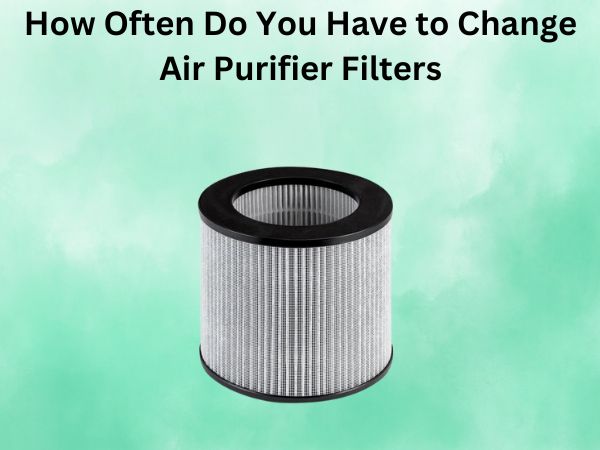
HEPA filters are the gold standard in air purification. These dense, pleated filters can capture 99.97% of particles as small as 0.3 microns. Because they’re so effective at trapping particles, they tend to get saturated relatively quickly compared to their lifespan in years. Most HEPA filters last between six and twelve months, depending on air quality and usage.
Activated Carbon Filters
Activated carbon filters excel at removing odors, gases, and volatile organic compounds. They work differently than mechanical filters, using absorption rather than just trapping particles. These filters typically last three to six months before needing replacement. However, they degrade faster in high-odor environments like homes with pets or smokers.
Pre-Filters
Think of pre-filters as the bouncers at your air purifier’s front door. They catch the larger particles before they reach the HEPA filter, extending your HEPA filter’s life significantly. Pre-filters are the workhorses and usually need replacing every one to three months. Some people clean rather than replace pre-filters to save money, which can work if done properly.
Ionizer and Photocatalytic Filters
Some air purifiers use ionizers or photocatalytic technology instead of traditional filters. These don’t necessarily need replacement as frequently, but they do need regular maintenance and cleaning. It’s important to check your specific model’s recommendations, as these technologies vary widely.
Signs Your Filters Need Changing Now
Visual Indicators That Can’t Lie
If you open up your air purifier and see a filter that looks gray, brown, or black—depending on what color it started as—it’s probably time for a replacement. A clean filter is typically white or off-white. When you can visibly see the accumulation of dust and particles, the filter is telling you it’s tired and ready for retirement.
The Smell Test
Sometimes your nose knows better than any indicator light. If you notice musty, stale, or unpleasant odors coming from your purifier, it’s a red flag. This could mean the filter is so saturated that it’s actually harboring mold or bacteria. Don’t ignore this—replace the filter immediately.
Reduced Air Output and Performance
Have you noticed the air coming out of your purifier seems weaker than before? That’s usually a clogged filter restricting airflow. When filters are heavily saturated, they physically block air from passing through, reducing your purifier’s effectiveness dramatically. If your room doesn’t feel as fresh as it used to, that’s your cue.
Unusual Noises
If your air purifier is suddenly making grinding, squealing, or straining sounds, it might be overworking because filters are clogged. A clean, properly functioning purifier should run relatively quietly. Strange noises mean the motor is compensating for restricted airflow—and that means time for new filters.
Filter Indicator Lights and Alerts
Most modern purifiers have indicator lights or smartphone app notifications that alert you when filters need changing. While these aren’t always perfectly calibrated, they’re usually pretty reliable. Don’t ignore these notifications—they’re based on the manufacturer’s testing and recommendations.
How to Check Your Air Purifier’s Filter Status
The Monthly Inspection Routine
Set a phone reminder to check your filters on the first of every month. This takes less time than making your coffee. Simply open your purifier according to the manufacturer’s instructions and visually inspect the filters. Compare them to what a new filter looks like—you can check the product manual or look online for reference images.
Tracking Your Replacement History
Here’s a pro tip: keep a simple log or calendar note of when you replace filters. Write down the date and what conditions you noticed. Over time, you’ll develop a pattern and understand exactly how often your specific filters need replacing in your specific environment. This beats relying on general timelines.
Smart Purifier Features
If you own a modern smart air purifier, take advantage of its features. Many models display air quality metrics in real-time and estimate remaining filter life based on actual usage patterns rather than just time elapsed. These systems are quite sophisticated and often more accurate than generic recommendations.
The Cost of Regular Filter Replacements
Budget Planning for Filter Costs
Filter costs vary dramatically depending on the brand and type. A basic pre-filter might cost five to fifteen dollars, while a genuine HEPA filter can run anywhere from thirty to one hundred dollars or more. When budgeting for an air purifier, remember that the initial purchase is just the beginning. You’ll need to factor in ongoing filter replacement costs.
Let’s do the math. If you replace a set of filters four times per year at an average cost of fifty dollars per replacement, you’re looking at two hundred dollars annually in filter costs. For some premium models, it could be more. Make sure this fits your budget before committing to a particular brand.
Genuine vs. Knockoff Filters
I’ll be blunt: always buy genuine replacement filters from the manufacturer or authorized retailers. Knockoff filters might be cheaper upfront, but they rarely perform as advertised. They won’t capture particles effectively, won’t last as long, and could potentially damage your purifier. Saving twenty dollars on a filter only to have your air quality suffer isn’t a good trade.
Extending Your Filter’s Life
Proper Placement and Installation
Where you position your air purifier matters more than most people realize. Place it away from walls, in a central location where air can circulate freely. Avoid putting it in corners or against furniture that blocks airflow. When you install filters, make sure they’re sealed properly without gaps. Even small gaps allow unfiltered air to bypass the filter entirely.
Reducing Pollutant Sources
While your purifier works hard, reducing the amount of pollution entering your air in the first place extends filter life. Close windows during high pollen season or when outdoor air quality is poor. Minimize dust-creating activities. If you have pets, regular grooming reduces shed fur in the air. Don’t smoke indoors. These simple steps significantly reduce filter workload.
Maintaining Proper Humidity Levels
Keep indoor humidity between forty and sixty percent. Too high and filters degrade faster; too low and you create different air quality issues. A simple humidifier or dehumidifier helps maintain optimal levels, which benefits both your health and your filters’ longevity.
Regular Cleaning of Pre-Filters
Many pre-filters can be vacuumed or gently wiped clean rather than immediately replaced. Check your manual to see if your pre-filter is washable or cleanable. If it is, a monthly cleaning can extend its life significantly. This simple maintenance step can reduce how often you need to buy replacement filters.
What Happens When You Ignore Filter Changes
Severely Reduced Air Quality
The most obvious consequence is that your air purifier stops purifying. A clogged filter can’t capture new particles effectively. You’re essentially running a device that looks like it’s working but isn’t delivering results. All those allergens, dust, and pollutants you bought the purifier to eliminate are circulating freely.
Health Impacts
If you have allergies, asthma, or respiratory sensitivity, a non-functioning purifier is worse than having no purifier at all—you’ve got a false sense of security. You think your air is clean when it’s not. This can lead to increased symptoms, worse sleep quality, and overall health decline. It’s not worth the risk.
Damage to Your Purifier
Running a purifier with completely clogged filters forces the motor to work harder than it’s designed to. This excess strain shortens the device’s lifespan and can lead to motor failure or other mechanical problems. What could cost fifty dollars in filters might end up costing several hundred dollars in repairs or replacement.
Potential Mold and Bacterial Growth
Extremely clogged and damp filters create perfect environments for mold and bacterial growth. Your purifier could then be spreading harmful microorganisms rather than filtering them out. This completely defeats the purpose and could harm your health.
Conclusion
So, how often do you have to change air purifier filters? The honest answer is: it depends. While the standard recommendation of three to six months provides a useful baseline, your actual filter replacement schedule depends on your specific circumstances—where you live, who shares your space, how much you run the device, and what type of filters you’re using.
The key takeaway is this: don’t just set and forget your air purifier. Treat it like the important investment it is by checking filters monthly, tracking replacements, and responding to warning signs. Most people find they need to replace filters every four to six months when they pay attention to their specific situation rather than blindly following generic timelines.
Remember, your air purifier is only as good as its filters. Clean, properly maintained filters mean cleaner air, better health, and a device that lasts for years. Neglected filters mean wasted money and compromised air quality. The choice is simple—invest a little time and money in regular filter changes, and you’ll enjoy the benefits of truly clean air.
Frequently Asked Questions
Can I wash and reuse air purifier filters instead of replacing them?
Most HEPA and activated carbon filters are not designed to be washed and reused. Washing damages the filter material and destroys its effectiveness. However, some pre-filters can be vacuumed or gently cleaned with a soft brush. Always check your manufacturer’s instructions before attempting to clean any filter. When in doubt, replace rather than reuse.
What’s the difference between genuine and third-party replacement filters?
Genuine filters are manufactured to exact specifications and tested to meet the performance standards your purifier was designed for. Third-party filters are cheaper but often don’t seal properly, allowing unfiltered air to bypass, and may not capture particles as effectively. They can also potentially damage your purifier. The money you save initially gets lost in reduced performance and potential repair costs.
Should I replace all filters at the same time or individually?
Most air purifiers have multiple filters that need replacing, but they don’t all get used up at the same rate. Pre-filters get dirty fastest, while HEPA filters last longer. You can replace them individually as needed. However, if your purifier’s system is designed with all filters working together, and multiple filters are nearing the end of their life, replacing them together might be convenient and ensure optimal performance.