How Often Do I Change My Air Purifier Filter? A Complete Guide to Keeping Your Air Clean
So, you’ve brought an air purifier into your home, aiming for purer air – excellent choice! But now you’re likely pondering the big question: when exactly should you swap out that filter? It’s a query that pops up all the time, and the truth is, there isn’t a simple, universal answer. How often you need to change it really comes down to specific conditions in your unique environment. Let’s dive into all the details to ensure your air purifier always delivers its best.
Understanding Your Air Purifier Filter System
Before we dive into the timing, let’s talk about what’s actually happening inside your air purifier. Think of your filter like a sponge that’s constantly soaking up dirt, dust, pollen, and other particles floating around your home. The more particles it catches, the more clogged it becomes. Eventually, it reaches its capacity and can’t clean the air as effectively anymore.
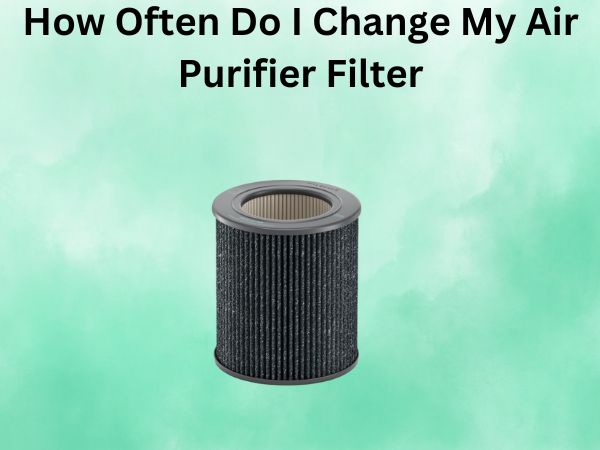
Most air purifiers come with multiple filter layers, each serving a different purpose. You’ve got the pre-filter that catches larger particles, the HEPA filter that traps microscopic particles, and sometimes activated carbon filters that absorb odors and gases. Each layer has its own lifespan, and understanding this matters when you’re planning your maintenance schedule.
The Standard Rule of Thumb for Filter Changes
What Most Manufacturers Recommend
Most air purifier manufacturers suggest changing your filter every three to six months under normal household conditions. However, I’ve found that this recommendation is just a starting point. The actual timeline really depends on how hard your filter is working in your specific environment.
If you read your air purifier’s manual, you’ll probably see something like “replace every 6 months” or “every 12 months depending on usage.” This vague language exists because the manufacturers know that every home is different. Your filter’s lifespan could be significantly shorter or longer than the standard recommendation based on your unique circumstances.
Premium Filters Versus Budget Options
Here’s something many people don’t realize—the quality of your filter affects how often you need to replace it. Premium HEPA filters often last longer than cheaper alternatives because they’re constructed with better materials and more efficient filtration technology. You might pay more upfront for a quality filter, but you could end up saving money because you won’t need to replace it as frequently.
Factors That Impact How Often You Change Your Filter
Air Quality in Your Area
Where you live plays a massive role in filter replacement frequency. If you live in an urban area with heavy traffic and pollution, your filter will work overtime. Similarly, if you’re near industrial areas or during high pollen seasons, your filter gets stressed faster. I have a friend who lives downtown in a major city and needs to change her filter every two months. Meanwhile, my cousin who lives in a rural area can stretch it to nine months.
You can check your local air quality index online to get a sense of how polluted your area is. If it’s consistently in the unhealthy range, expect your filters to need more frequent changes.
Pets in Your Home
Do you have furry friends living with you? Pet hair, dander, and odors are among the biggest culprits that reduce filter lifespan. If you have multiple pets or breeds that shed heavily, you’re looking at changing your filter more frequently—potentially every two to three months instead of six. The filter is essentially protecting your air purifier’s motor from getting clogged with pet debris.
Household Size and Activity Level
More people in your home means more dust, skin cells, and particles being generated. A family of five will generate more airborne contaminants than a single person living alone. Additionally, if your household has high activity levels—kids playing, lots of cooking, people moving in and out frequently—your filter will fill up faster than in a quiet, low-traffic home.
Smoking in Your Home
If anyone smokes indoors, your air purifier filter is getting a serious workout. Cigarette smoke contains thousands of particles and chemicals that your filter must capture. Smokers should typically plan on changing their filters every two to three months instead of the standard six-month recommendation. The activated carbon layer especially will saturate quickly with smoke odors.
Seasonal Variations
Spring and fall allergies can significantly impact your filter’s lifespan. During high pollen seasons, your filter might need changing more frequently. Similarly, winter heating can dry out your air and potentially create more dust, while summer cooling cycles bring in different environmental challenges depending on your location.
Signs Your Air Purifier Filter Needs Replacement
Visual Inspection Indicators
The easiest way to know if your filter needs changing is to look at it. A clean filter is typically white or light gray. If your filter has turned brown, dark gray, or black, it’s definitely time for a replacement. The color change indicates a significant buildup of particles and dust. Don’t rely solely on the manufacturer’s timeline—if it looks dirty, it probably is.
Reduced Air Purifier Performance
Notice that your air purifier doesn’t seem as effective as it used to be? Maybe the air doesn’t smell as fresh, or you’re experiencing more allergy symptoms despite running the device. These are telltale signs that your filter has reached its capacity and can’t effectively remove contaminants from your air anymore.
Unusual Sounds or Increased Fan Noise
When a filter becomes clogged, your air purifier’s motor has to work harder to push air through it. This often results in louder fan noise than usual. If your typically quiet device suddenly sounds like it’s struggling, check the filter. A clogged filter forces your machine to run harder, which also increases energy consumption and can potentially shorten the device’s overall lifespan.
Strange Odors Persisting in Your Home
If you’re noticing that unpleasant smells aren’t being eliminated like they used to be, your activated carbon layer is likely saturated. This layer is responsible for absorbing odors, and when it’s full, it can’t capture any more. This is especially common in homes with cooking odors, pet smells, or smokers.
How to Extend Your Air Purifier Filter Lifespan
Reduce Dust Sources in Your Home
You can make your filter last longer by minimizing how many particles enter your air in the first place. Regular vacuuming with a HEPA filter vacuum, dusting surfaces, and reducing unnecessary clutter all help. Think of it like this—if your air purifier has to work less hard, it conserves its filter capacity.
Clean Pre-Filters Regularly
Many air purifiers have washable pre-filters. Cleaning these every two to four weeks can dramatically extend the life of your main HEPA filter. The pre-filter catches larger particles, so when it’s clogged, the larger particles try to make their way to the main filter. By keeping the pre-filter clean, you’re protecting your more expensive main filter.
Use the Right Fan Speed for Conditions
Running your air purifier on maximum speed all the time will clog your filter faster. Use a lower speed setting when air quality is good, and only ramp up to higher speeds when needed. Many modern devices have air quality sensors that automatically adjust fan speed based on detected pollution levels. If your purifier has this feature, use it to optimize filter longevity.
Position Your Air Purifier Strategically
Place your purifier in a location where it can operate efficiently. Avoid positioning it in corners or against walls where airflow is restricted. Better airflow means the device operates more efficiently and doesn’t have to work as hard to clean the air. This translates to a longer filter lifespan.
Filter Replacement Costs and Budgeting
Average Replacement Filter Prices
Filter costs vary widely depending on the brand and type of air purifier you own. Budget models might have replacement filters in the fifteen to thirty dollar range, while premium brands can charge fifty to one hundred dollars or more per filter. Some specialty filters with advanced technology can cost even more.
Here’s my suggestion—check your air purifier’s cost now and calculate the annual expense based on how often you’ll need to replace it. If you’re changing filters every three months, multiply that cost by four. If it’s every six months, multiply by two. This gives you a realistic picture of the ongoing investment required.
Bulk Purchasing and Subscription Services
Many companies now offer subscription services where replacement filters are automatically shipped to you on a schedule. These subscriptions often come with modest discounts compared to buying filters individually. If you want to ensure you never run out and enjoy a slight savings, this might be worth exploring.
Different Filter Types and Their Replacement Frequencies
HEPA Filters
The main HEPA filter is typically the longest-lasting component, usually needing replacement every six to twelve months under normal conditions. HEPA filters are incredibly effective, capturing up to ninety-nine point ninety-seven percent of particles as small as zero point three microns. This efficiency means they last longer than basic filters, but it also means they get quite full before they stop working well.
Activated Carbon Filters
Activated carbon filters absorb odors and gases, but they saturate faster than HEPA filters. You’re typically looking at replacing these every three to six months. If your home has significant odor sources like cooking, pets, or smoking, expect the shorter end of that range.
Washable Pre-Filters
These are the heroes of the filter world because they can be reused indefinitely. Instead of replacing them, you wash them with water every few weeks, let them dry, and put them back. This not only saves money but also reduces waste. Just don’t wash them too aggressively as you could damage the mesh.
Knowing When to Replace Versus Clean Your Filters
Understanding the difference between cleaning and replacing is crucial. Some filters are washable and reusable, while others are disposable. Your manual will tell you which is which. Disposable HEPA filters cannot be washed—attempting to wash them ruins the filter material and reduces their effectiveness. Pre-filters and some carbon filters can be vacuumed or washed lightly with water, but true HEPA filters must be replaced, not cleaned.
Seasonal Maintenance Checklist
Spring and Fall Protocol
During high pollen seasons, check your filters more frequently. Plan on checking them monthly instead of quarterly. These seasons are typically when filters fill up fastest due to increased outdoor pollen.
Winter Heating Season
Winter heating can dry out your air and create static, which attracts dust particles. Check your filters during winter and be prepared to replace them more frequently than during other seasons.
Summer Air Conditioning Season
Summer brings different challenges depending on your location. If you have high outdoor temperatures and run your air conditioning constantly, your purifier works harder. Keep an eye on your filters during this season.
The Cost of Not Changing Filters Frequently Enough
Delaying filter replacement might save money in the short term, but it actually costs you more in the long run. A clogged filter forces your air purifier’s motor to work harder, increasing electricity consumption and potentially damaging the motor prematurely. You might need to replace the entire unit years earlier than you should. Additionally, a saturated filter no longer effectively removes contaminants, meaning you’re not getting the air quality benefits you purchased the device for in the first place.
Think of it like maintaining your car. Changing your oil regularly costs money, but not changing it will cost you an engine replacement. The same principle applies to air purifier filters.
Tracking Your Filter Replacement Schedule
Creating a Maintenance Calendar
Mark your first filter replacement date on your calendar and set reminders for subsequent changes. Many people use smartphone calendar apps with recurring reminders set for the typical replacement interval for their specific filter type. This simple step ensures you never accidentally leave a clogged filter running.
Keeping Records
Keep a log of when you replace your filters. Over time, this creates a personal history that shows exactly how long your filters actually last in your home. This data is incredibly valuable for planning future replacements and budgeting.
Conclusion
So, how often should you change your air purifier filter? The answer really is that it depends on your specific situation. While the standard recommendation ranges from three to six months, your actual replacement frequency might be more or less based on factors like your location’s air quality, whether you have pets, household size, smoking habits, and seasonal variations. The best approach is to combine the manufacturer’s recommendations with regular visual inspections and attention to your air purifier’s performance. Clean or replace your pre-filters every few weeks, watch for signs of filter saturation like color changes and reduced performance, and keep track of your replacement schedule. By staying proactive about filter maintenance, you’ll ensure your air purifier operates at maximum efficiency, protecting your home’s air quality and extending the life of your investment. Remember, a well-maintained air purifier is an effective air purifier, and the small effort you invest in regular filter changes pays dividends in improved air quality and household health.
Frequently Asked Questions
Can I Clean My HEPA Filter Instead of Replacing It?
True HEPA filters are disposable and cannot be effectively cleaned. Attempting to wash or vacuum them damages the delicate filter material and compromises their ability to capture particles. However, the pre-filter that comes with most air purifiers is typically washable and should be cleaned regularly. Always check your specific unit’s manual to determine which components are washable versus disposable.
What Happens If I Don’t Change My Air Purifier Filter?
If you don’t change a clogged filter, several negative consequences occur. Your air purifier becomes increasingly ineffective at removing contaminants, the motor works harder and consumes more electricity, unusual noise levels increase, and the device may eventually overheat or break down entirely. Additionally, a severely clogged filter can actually circulate stagnant air without properly cleaning it, defeating the purpose of having the device.
Are Expensive Filters Better Than Cheap Ones?
Generally, more expensive filters from reputable brands are constructed with higher quality materials and more efficient filtration technology. They often last longer and perform better than budget alternatives. However, the most important factor is matching the correct filter to your specific air purifier model. Using the wrong filter type, even if it’s expensive, is worse than using an inexpensive correct filter.
How Do I Know Which Filter to Buy as a Replacement?
Always refer to your air purifier’s model number and consult the manual or manufacturer’s website to find the exact replacement filter part number. Using incorrect filters can damage your device and won’t provide proper filtration. Many online retailers allow you to search by air purifier model, which makes finding the right filter straightforward.
Should I Run My Air Purifier All Day and Night?
Running your air purifier continuously will fill filters faster, but it also provides the most consistent air cleaning. A practical approach is running it during peak activity hours and times when outdoor pollution is highest, then reducing usage during quieter periods. Many people run their purifiers all day during allergy season but scale back during other times of the year to extend filter lifespan and reduce electricity costs.
“`