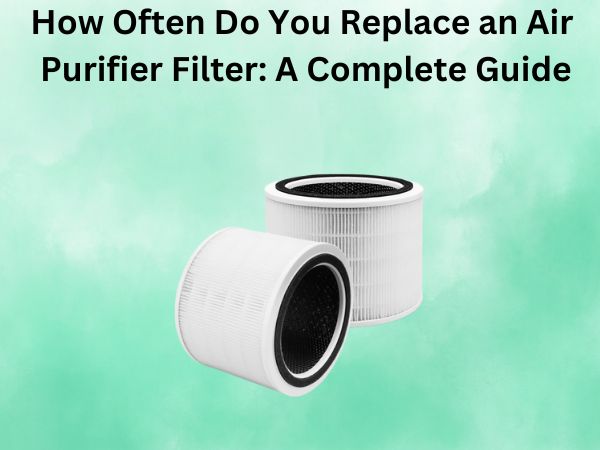
How Often Do You Replace an Air Purifier Filter: A Complete Guide
It’s a common oversight: when you first invest in an air purifier, the idea of changing its filter probably isn’t top of mind. Most of us just plug it in, expecting it to continuously purify our air without any further thought. But here’s the crucial truth: an air purifier isn’t a set-it-and-forget-it device. Think of it like a hardworking sponge; it absorbs pollutants until it’s completely full. Once that happens, it can no longer do its job effectively, becoming essentially useless.
The question of how often you should replace your air purifier filter isn’t something with a one-size-fits-all answer. It depends on multiple variables—your air quality, how often you use the device, the type of filter, and even the season. In this guide, I’m going to walk you through everything you need to know to keep your air purifier performing at its best.
Understanding Air Purifier Filter Types
Before we dive into replacement schedules, let’s talk about what you’re actually dealing with. Most modern air purifiers have multiple filter layers, and each one serves a different purpose. Think of it like a security checkpoint—the first guard catches the big stuff, the second catches medium threats, and the third handles the sneaky particles trying to slip through.
The Pre-filter Layer
The pre-filter is your air purifier’s first line of defense. It’s typically made of mesh or foam and catches the larger particles like dust, pet hair, and debris. This is the bouncer at the club entrance, keeping out the obvious troublemakers before they even get inside. Because it handles bigger particles, it doesn’t get saturated as quickly as other filters.
The HEPA Filter
HEPA stands for High-Efficiency Particulate Air, and this is where the real magic happens. A true HEPA filter can capture 99.97% of particles that are 0.3 microns or larger. We’re talking about things you can’t even see—pollen, mold spores, bacteria, and virus-carrying particles. This is the hardest working part of your air purifier, and it’s also the most expensive to replace.
The Activated Carbon Filter
If HEPA filters catch particles, activated carbon filters catch smells and chemicals. They’re porous little powerhouses filled with millions of tiny holes that absorb odors, volatile organic compounds, and other gaseous pollutants. Your kitchen smoke? Gone. Your pet’s smell? Eliminated. That new furniture off-gassing? Neutralized.
Factors That Determine Filter Replacement Frequency
Here’s where things get interesting. The replacement timeline isn’t written in stone. Several factors influence how quickly your filters get clogged and stop working efficiently.
Your Local Air Quality
If you live in an area with poor air quality—maybe you’re in a dusty region, near industrial areas, or during wildfire season—your filters are going to work harder and need replacing more often. Someone living in a clean, rural area might get twice as much life out of their filters compared to someone in a polluted city. It’s just physics. More contaminants mean faster saturation.
Usage Patterns
Do you run your air purifier 24/7, or do you only turn it on occasionally? Someone who keeps their device running continuously will need replacements more frequently than someone who uses it a few hours each day. It’s like comparing a car that drives 100 miles a week to one that drives 500 miles—the more it works, the faster it wears out.
Household Composition
How many people live in your home? Do you have pets? Smokers? Kids who track in dirt? A single person living alone with no pets will put far less strain on their air purifier than a family of five with two dogs and a cat. Each person, pet, and activity generates particles that your filter has to capture.
Seasonal Changes
Spring pollen, summer dust storms, fall leaves, and winter heating all affect your indoor air quality. You might notice your filters clogging faster during certain times of year, and that’s completely normal. Many people find they need to replace filters more frequently during high-pollen seasons.
HEPA Filter Replacement Schedule
The HEPA filter is the heart of your air purifier, so let’s talk specifics about when it needs replacing. Most manufacturers recommend changing your HEPA filter every 6 to 12 months. But here’s the thing—that’s a general guideline, not a guarantee.
Typical Lifespan Under Normal Conditions
Under average household conditions—moderate dust levels, typical usage patterns, and reasonable air quality—you can expect a HEPA filter to last about 8 to 12 months. Some premium filters might stretch to 18 months, but that’s on the optimistic end of the spectrum.
Heavy Use Scenarios
If you’re running your purifier constantly in a dusty home with pets, you might need to replace the HEPA filter every 3 to 6 months. Yes, that sounds expensive, but consider it an investment in your respiratory health. The filter’s job is to trap contaminants before they reach your lungs, so when it’s clogged, it’s not doing that job anymore.
Light Use Scenarios
On the flip side, if you use your air purifier selectively or live in a very clean environment, you might be able to stretch your HEPA filter to 18 months or even longer. Just remember that longer doesn’t mean it’s working as well—it just means it hasn’t reached peak saturation yet.
Activated Carbon Filter Lifespan
Activated carbon filters have a different lifespan than HEPA filters, and this is important to understand. While your HEPA filter catches particles, your carbon filter absorbs gases and odors. Here’s the key difference: once activated carbon becomes saturated with odors and chemicals, it’s done. Unlike some other materials, you can’t really “clean” it back to usefulness.
Expected Duration
Most activated carbon filters last between 3 and 6 months under normal conditions. If you’re a heavy smoker, cook with strong spices frequently, or have multiple pets, you’re looking at the shorter end—maybe 2 to 3 months. If you have minimal odor sources, you could stretch to 6 months or slightly beyond.
Recognizing When It’s Exhausted
The clearest sign that your activated carbon filter needs replacing is when smells start returning even though your purifier is running. That new furniture smell returns. Pet odors become noticeable again. Cooking odors linger longer than they used to. These are all indicators that the carbon has become saturated and can’t absorb any more contaminants.
Pre-filters and Their Maintenance Cycle
Here’s some good news: pre-filters are often the only part of your air purifier you can clean rather than replace. Many pre-filters are designed to be washable, which makes them much more economical in the long run.
Cleaning vs. Replacing
If your pre-filter is washable, you should clean it every 2 to 4 weeks, depending on how much dust and debris it accumulates. You can vacuum it gently or rinse it under lukewarm water. Let it dry completely before reinserting it. Some pre-filters eventually wear out and need replacement, but that’s typically after 6 to 12 months of regular cleaning.
Non-Washable Pre-filters
Some air purifiers come with non-washable pre-filters. These typically need replacement every 3 to 6 months. Since they handle the larger particles, they tend to clog fairly quickly if you’re in a dusty environment or have pets.
Signs Your Air Purifier Filter Needs Replacing
Instead of just following a calendar, pay attention to these signals that tell you it’s time for a replacement.
- Reduced airflow from your purifier—it’s not pushing air as hard as it used to
- Smells aren’t being neutralized like they were before
- Visible dirt and dust accumulation on the filter
- The air purifier’s filter indicator light turns on
- You notice the device running louder or struggling to operate
- Allergy symptoms are getting worse despite using the purifier
- The purifier cycles on and off more frequently than normal
Many modern air purifiers have smart indicators that tell you when it’s time to replace filters. These are incredibly helpful because they take the guesswork out of maintenance. Some even send notifications to your phone.
Environmental Factors Affecting Filter Life
Your geographic location and living conditions play huge roles in how often you’ll need replacements. Let me break this down for you.
Air Quality Index (AQI) Impact
If your area frequently experiences high AQI readings due to pollution, wildfires, or industrial activity, your filters will work overtime and clog faster. During wildfire season in many parts of North America, people report needing to replace HEPA filters every 1 to 2 months instead of the usual 8 to 12 months. It’s a significant difference.
Humidity Levels
High humidity doesn’t directly clog filters, but it does encourage mold and mildew growth, which means more particles floating around your home that need to be captured. Dry climates tend to have more dust particles, so there’s no clear winner here—both present challenges.
Construction and Renovation
If you’re doing any home improvement projects, your air purifier is basically being put through an endurance test. All that drywall dust, sawdust, and construction debris will absolutely shorten your filter’s lifespan dramatically. If you’re renovating, you might need monthly filter replacements instead of your normal schedule.
Manufacturer Recommendations vs. Real-World Usage
Here’s something I want to be clear about: manufacturer recommendations are guidelines based on average conditions. They’re not laws of physics. Your real-world usage might differ significantly.
Manufacturers often suggest replacing HEPA filters every 12 months because that protects them from liability and because it works fine for average users. But if you’re heavy-duty using your purifier or live in a polluted area, you might need to replace it more frequently. Conversely, if you use it lightly in a clean environment, you might stretch it longer.
Don’t just set a calendar reminder and forget about it. Check your filters regularly. Look at them. Smell them. Feel the airflow. These personal observations will tell you more than any manufacturer’s label.
Cost Implications of Regular Filter Replacement
Let’s talk money, because filter replacement isn’t free. A typical HEPA filter costs between thirty and one hundred fifty dollars, depending on the brand and model. Activated carbon filters usually run ten to fifty dollars. Pre-filters might be five to thirty dollars.
Annual Budget Considerations
If you need to replace your HEPA filter twice a year, you’re looking at six hundred to three hundred dollars annually just for that. Add in carbon filters and pre-filters, and your yearly air purifier maintenance could easily exceed five hundred dollars. That’s a significant cost, which makes it even more important to extend your filters’ lifespan through proper maintenance.
Investing in Quality Filters
Cheaper aftermarket filters might seem appealing, but they often don’t last as long as genuine OEM filters from the manufacturer. You might save thirty dollars on a filter that lasts half as long, which means you’re actually spending more money overall. It’s better to buy quality filters that perform well and last longer.
How to Extend Your Filter’s Lifespan
Want to get more life out of your filters without sacrificing performance? Here are some practical strategies.
Keep Your Home Clean
This might sound obvious, but reducing the amount of dust and particles in your home means your air purifier doesn’t have to work as hard. Regular vacuuming, dusting, and sweeping reduce the load on your filters. Think of it as preventative maintenance—you’re reducing the work before it starts.
Strategic Placement
Where you place your air purifier matters more than people realize. Put it in the room where you spend the most time, away from walls and furniture that might block airflow. Don’t stick it in a corner where dust can collect around it. Good placement means better air circulation and more efficient operation.
Regular Pre-filter Cleaning
If your pre-filter is washable, clean it every few weeks without fail. This prevents large particles from reaching your HEPA filter, which extends its life significantly. A clean pre-filter means your HEPA filter doesn’t have to work as hard catching the large stuff.
Maintain Optimal Humidity
If possible, keep your indoor humidity between 30% and 50%. This range is comfortable for humans and reduces the amount of mold, dust mites, and other moisture-related particles floating around.
Checking Filter Condition Properly
You need to develop a routine for checking your filters. This isn’t complicated, but it needs to be consistent.
Visual Inspection
Once a month, take a look at your filters. A new HEPA filter is usually white or light gray. As it accumulates dust, it becomes darker. When it looks nearly black or dark gray, you’re definitely approaching replacement time. Your activated carbon filter should look relatively uniform in color—when sections become lighter or you can see through it in spots, it’s becoming exhausted.
The Airflow Test
Hold your hand near the air outlet of your purifier. Is the airflow as strong as it was a few months ago? Reduced airflow is a clear indicator that your filters are getting clogged. If you feel noticeably less air coming out, it’s probably time to replace them.
The Smell Test
Smell the air coming out of your purifier. It should smell neutral or maybe slightly fresh. If you start noticing that smells aren’t being neutralized as well, or if the air itself smells stale, your activated carbon filter is likely exhausted.
Seasonal Considerations for Filter Changes
Your filter replacement needs will shift with the seasons. Understanding these patterns helps you stay ahead of the curve.
Spring Allergy Season
Spring brings pollen, which means more particles in your air. Many people find they need to replace or check their filters more frequently in spring. If you have seasonal allergies, this is the time to make sure your filters are in top condition.