How Often Do You Need to Replace Air Purifier Filter: A Complete Guide
Ever thought about whether your trusty air purifier is still effectively cleaning your home’s air? It’s easy to plug it in and forget about it, expecting its filters to work indefinitely. However, the critical truth is that air purifier filters have a finite lifespan. Neglecting to replace them on time could mean your device is merely circulating stale, potentially harmful air throughout your living space.
In this comprehensive guide, I’m going to walk you through everything you need to know about air purifier filter replacement. Whether you own a basic model or a high-end system, understanding when and why to replace your filters is crucial for maintaining clean air in your space.
The Typical Filter Replacement Timeline: What You Should Know
Let me start with the straightforward answer: most air purifier filters need replacement every 6 to 12 months, though this isn’t a one-size-fits-all situation. Think of it like changing the oil in your car—there’s a general guideline, but your specific situation might differ.
For standard HEPA filters, you’re typically looking at the 6-to-12-month window. However, activated carbon filters, which are excellent at trapping odors and volatile organic compounds, often need replacing every 3 to 6 months because they become saturated more quickly. The pre-filters, which catch larger particles and protect the main filters, might need attention every 1 to 3 months depending on your environment.
Factors That Dramatically Affect How Long Your Filter Lasts
Air Quality in Your Location
This is perhaps the single biggest factor determining filter lifespan. If you live in an area with high pollution levels, smoke, or dust, your filter is working overtime and will need replacement sooner. Someone living in a pristine mountain town might get double the lifespan compared to someone in a busy urban center.
Pets and Household Factors
Do you have pets that shed hair constantly? That’s going to clog your filter faster. Smokers in your household? Your filter is handling a massive chemical load. These household variables can cut your filter life in half or more.
Room Size and Air Purifier Capacity
If you’re using an air purifier that’s undersized for your room, it’s running constantly and working harder. An overstretched purifier will deteriorate its filters much more rapidly than one that’s appropriately sized for the space.
Usage Patterns
Are you running your air purifier 24/7 or just a few hours daily? Continuous use means faster filter saturation. If you run it constantly, you might need replacements every 4 to 6 months instead of the standard 12 months.
Humidity Levels
High humidity can accelerate filter degradation and encourage mold growth. In humid climates or seasons, you might need to replace filters more frequently.
Signs Your Filter Is Screaming for Replacement Right Now
Rather than blindly following a calendar, it’s smart to watch for these telltale signs that your filter has reached the end of its effectiveness:
- Reduced airflow coming from your purifier—if it feels weaker than usual, that’s your filter clogged with particles
- Strange odors that the purifier isn’t eliminating anymore—the activated carbon is saturated
- The purifier’s warning light or alert system activates, which most modern units have built in
- You’re noticing more dust settling on surfaces in your home, meaning particles are getting through
- Your allergies or asthma symptoms aren’t improving despite running the purifier
- A visible discoloration or darkening of the filter when you inspect it
- Any moldy smell or visible mold growth, which can happen in humid conditions
Different Filter Types: Not All Filters Are Created Equal
HEPA Filters and Their Longevity
HEPA filters are the workhorses of air purification, capturing 99.97 percent of particles 0.3 microns or larger. These typically last 6 to 12 months with normal use. They’re excellent at their job but they do get clogged eventually.
Activated Carbon Filters: The Odor Fighters
Carbon filters excel at trapping odors, smoke, and chemical fumes. However, they work differently than HEPA filters—they become chemically saturated rather than physically clogged. You might think they’re still working when they’re actually spent. These usually need replacement every 3 to 6 months.
Pre-Filters: The Unsung Heroes
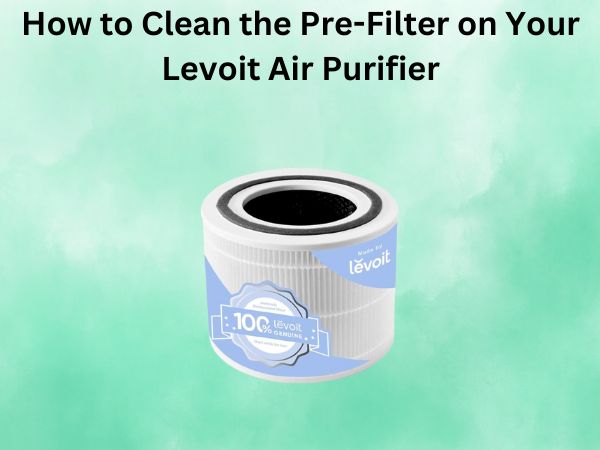
These catch larger particles before they reach the main filters. They’re often washable and reusable, which is fantastic. If yours is washable, clean it monthly, but some pre-filters might need annual replacement.
Ionizers and Photocatalytic Filters
Some air purifiers use ionizers or UV light technology alongside traditional filters. These components have much longer lifespans—sometimes years—but always check your manual for specifics.
How to Actually Check Your Filter’s Condition Like a Pro
You don’t need to be an expert to assess whether your filter has more life in it. Here’s what you should do:
First, carefully remove your filter from the unit. Hold it up to a light source and look through it. You should see light passing through; if it’s completely dark or blocked, replacement is urgent. Check for visible dirt accumulation—a light gray tint is normal, but heavy darkening means it’s working hard and might be near the end.
Next, perform the smell test. Take a whiff of the filter. Does it smell musty, moldy, or extremely odorous? That’s a sign it’s time for replacement. A healthy filter might have a slight dusty smell, which is normal.
Finally, check for physical damage. Look for tears, holes, or separating layers. Any structural damage means the filter can’t perform its job properly and should be replaced immediately, regardless of how long you’ve been using it.
The Real Cost: What You’re Actually Spending on Replacements
Let’s talk money because this matters to your budget. Replacement filters range significantly in price depending on the brand and type. Basic pre-filters might cost you 15 to 30 dollars, while quality HEPA filters range from 40 to 150 dollars. Carbon filters typically fall in the 30 to 80 dollar range.
If you’re replacing filters every 6 months, you could spend anywhere from 100 to 500 dollars annually just on filters, depending on your system. It sounds like a lot, but consider it an investment in your health and indoor air quality.
Some manufacturers offer filter subscriptions that deliver replacements automatically and sometimes at a slight discount. If you’re forgetful or want convenience, these subscriptions might save you money and ensure you never miss a replacement window.
Extending Your Filter’s Life: Practical Strategies That Work
While you can’t indefinitely stretch a filter’s lifespan, you can take steps to make sure you’re getting the maximum performance before replacement:
- Use the pre-filter effectively by cleaning it monthly—this is like an oil change that protects the main engine
- Maintain appropriate humidity levels in your home, ideally between 30 and 50 percent
- Minimize source pollution by not smoking indoors and reducing dust-generating activities when possible
- Use a lower fan speed setting when you can—higher speeds force more air through, clogging filters faster
- Run your purifier during times when you’re actually home and when air quality needs it most
- Keep the intake vents of your purifier clean and unobstructed
- Position your purifier strategically in the room for optimal air circulation
What Happens When You Ignore Filter Replacement: The Consequences
I get it—replacing filters isn’t exciting or visible work. You can’t see the immediate benefit, so it’s easy to procrastinate. But ignoring this maintenance task leads to real problems.
A clogged filter forces your air purifier to work much harder, consuming more electricity and increasing your utility bills. The harder it works, the faster it wears out. More importantly, a saturated filter becomes ineffective. You might as well not have the purifier running because it’s not removing particles effectively anymore.
There’s also a health dimension. If your filter is clogged, trapped particles can accumulate and create an ideal breeding ground for mold and bacteria. Some research suggests that severely neglected filters can actually circulate contaminants rather than remove them, making your indoor air quality worse than if you had no purifier at all.
Your purifier itself might also suffer damage. Trying to push air through a severely clogged filter strains the motor, potentially leading to costly repairs or needing to replace the entire unit.
Manufacturer Recommendations Versus Real-World Reality
Here’s where things get interesting. Manufacturers often provide filter replacement timelines, and while these are helpful starting points, they’re sometimes optimistic. They typically assume average conditions and standard usage patterns.
Real-world conditions are messier. If you live with pets, smoke, or in a dusty area, you’ll replace filters more frequently than the manufacturer suggests. Conversely, if you live alone in a clean apartment and run your purifier modestly, you might stretch the timeline.
I recommend using the manufacturer’s timeline as a starting point, but monitor your specific filter’s performance. After your first replacement, you’ll have a better sense of how quickly filters clog in your particular situation.
Seasonal Considerations: When to Pay Extra Attention
Different seasons present different challenges for your air purifier.
Spring and Summer
Pollen season can wreak havoc on filters. If you have allergies, your purifier is working overtime during spring. Dust storms and high pollen counts mean you might need to replace filters more frequently during these months.
Fall and Winter
These seasons bring indoor heating and closing of windows, which can increase dust circulation. Winter months might also bring more respiratory illnesses, making clean air quality especially important. Additionally, heating systems can dry out air, affecting filter performance.
Smart Tracking: Never Miss a Filter Replacement Again
The best practice is to establish a system that ensures you never miss a replacement. Here are some strategies:
- Set a recurring calendar reminder for the month before your estimated replacement date
- Use your phone’s notes app to record the exact date you installed each filter
- Buy filters in advance so you have them ready when needed, preventing delays
- Consider smart air purifiers that send you app notifications when filters need replacement
- Keep a log in a notebook near your purifier marking installation and replacement dates
- Subscribe to automatic filter delivery services from your purifier’s manufacturer
Environmental Impact: What Happens to Old Filters
This is something many people don’t consider. Air purifier filters aren’t biodegradable and end up in landfills where they persist for years. While you can’t avoid this by not replacing filters—a clogged filter is ultimately worse—you can minimize environmental impact.
Some manufacturers now offer recycling programs for old filters. Before tossing your filter, check if your brand participates. Additionally, choosing quality filters that last longer reduces the overall number of filters you use annually. Some companies are developing more sustainable filter materials, so looking for eco-friendly brands supports this innovation.
Conclusion: Making Air Purifier Filter Maintenance Simple
So, how often do you need to replace your air purifier filter? The honest answer is between 3 and 12 months depending on numerous factors, with 6 to 12 months being the typical window for HEPA filters and 3 to 6 months for carbon filters.
Rather than rigidly following a calendar, I recommend adopting a flexible approach. Use manufacturer guidelines as a baseline, but monitor your filter’s actual performance. Watch for reduced airflow, odors returning, or visible discoloration. When you notice these signs, it’s time to replace.
Establish a tracking system that works for you, whether that’s calendar reminders, smart notifications, or subscription services. Keep replacement filters on hand so you’re never caught without them. This simple maintenance task pays dividends by keeping your air purifier effective, extending its lifespan, and most importantly, ensuring the air you breathe at home is genuinely clean.
Remember, an air purifier is only as good as its filters. Treat filter replacement as seriously as you would any other health investment, because ultimately, that’s exactly what it is.
Frequently Asked Questions About Air Purifier Filter Replacement
Can I clean my air purifier filter instead of replacing it?
Some filters are designed to be washable, while others are not. HEPA filters and activated carbon filters are generally not meant to be washed because water damages their structure and effectiveness. However, many air purifiers include pre-filters that are washable and reusable—clean these monthly. Always check your specific model’s manual before attempting to clean any filter. If your manual says the filter isn’t washable, replacement is the only option.
What happens if I use an air purifier without a filter?
Operating an air purifier without a filter defeats the purpose entirely. The motor will run, and air will circulate, but no particles will be removed. You might actually be spreading particles around instead of capturing them. Additionally, running the purifier without a filter can damage the motor over time because filters protect internal components from dust accumulation.
Are expensive filters worth the cost compared to budget options?
Generally, yes. Premium filters from reputable brands tend to capture more particles, last longer, and perform more efficiently than budget alternatives. While a cheaper filter might seem economical upfront, you’ll end up replacing it more frequently, negating any savings. Premium HEPA filters can also come with better pre-filtration and additional features like antimicrobial treatments.
How do I know which replacement filters are compatible with my air purifier?
Your air purifier’s manual will specify the exact filter model number and compatible replacements. You can also visit the manufacturer’s website and search by your purifier’s model. Many retail stores also have compatibility checkers online. Using incompatible filters can reduce efficiency and may damage your purifier, so verification is essential.
Should I replace all filters at the same time?
Different