How Often Should You Change Your Air Purifier Filter?
We all recognize the critical role a healthy indoor environment plays in our lives. Considering how much time we spend inside, the quality of the air we breathe profoundly impacts our overall well-being. That’s precisely where air purifiers become indispensable. These clever devices are specifically engineered to capture airborne pollutants, allergens, and contaminants, ultimately allowing us to breathe easier and enjoy a healthier home.
But did you know that the effectiveness of an air purifier largely depends on the condition of its filter? Just like any other household appliance, air purifiers require regular maintenance to continue operating at their best. And one of the most critical maintenance tasks is changing the filter on a regular basis. But how often should you change your air purifier filter? Let’s dive in and explore the answer to this important question.
Factors That Affect Air Purifier Filter Lifespan
The frequency with which you need to change your air purifier filter can vary depending on several factors. Here are some of the key considerations:
Usage and Runtime
The more you use your air purifier, the faster the filter will become clogged with pollutants. If you run your air purifier 24/7, you’ll likely need to change the filter more often than someone who only uses it for a few hours a day.
Indoor Air Quality
The quality of the air in your home can also impact how quickly your air purifier filter becomes dirty. If you live in an area with high levels of airborne pollutants, such as a city with heavy traffic or a home near a construction site, your filter will likely need to be changed more frequently.
Filter Type
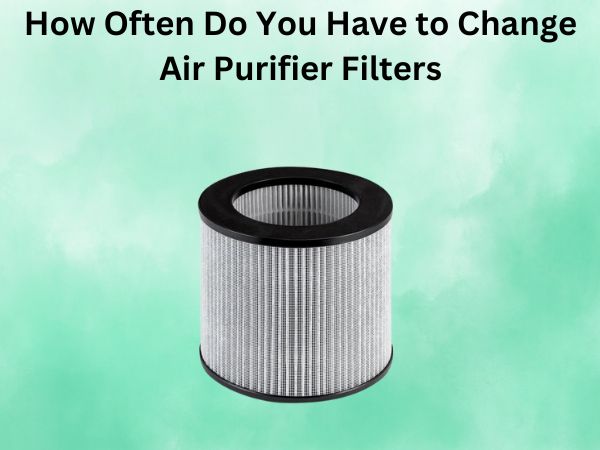
Not all air purifier filters are created equal. The type of filter your air purifier uses can also affect its lifespan. Some filters, such as HEPA (High-Efficiency Particulate Air) filters, are designed to capture smaller particles and may need to be changed more often than other filter types.
Recommended Filter Change Intervals
So, how often should you change your air purifier filter? Here are some general guidelines:
HEPA Filters
- Change every 6-12 months, or as recommended by the manufacturer.
Carbon Filters
- Change every 3-6 months, or as recommended by the manufacturer.
Pre-Filters
- Change every 1-3 months, or as recommended by the manufacturer.
It’s important to note that these are just general guidelines, and the actual frequency may vary depending on your specific air purifier model and the conditions in your home. Always refer to the manufacturer’s recommendations for the most accurate filter change schedule.
Signs It’s Time to Change Your Air Purifier Filter
Even if you’re not sure how long it’s been since you last changed your air purifier filter, there are some telltale signs that it’s time to do so:
Decreased Air Flow
If you notice that your air purifier is not pushing out as much air as it used to, it could be a sign that the filter is clogged and needs to be replaced.
Increased Noise
As air purifier filters become more clogged, the fan inside the device may have to work harder to push air through, resulting in a louder, more noticeable noise.
Reduced Effectiveness
If you’re not noticing the same level of air quality improvement as you did when your air purifier was new, it’s a good indication that the filter needs to be changed.
Conclusion
Maintaining your air purifier’s filter is crucial for ensuring that it continues to effectively clean the air in your home. While the recommended change interval can vary depending on your specific situation, following the manufacturer’s guidelines and being on the lookout for telltale signs of a clogged filter can help you keep your air purifier running at its best. Remember, a little bit of filter maintenance can go a long way in keeping your indoor air fresh and healthy.
FAQs
How do I know if my air purifier filter needs to be changed?
There are a few key signs that it’s time to change your air purifier filter, including decreased airflow, increased noise, and reduced effectiveness in improving air quality. If you notice any of these issues, it’s a good idea to check the filter and replace it if necessary.
Can I clean my air purifier filter instead of replacing it?
Some air purifier filters can be cleaned and reused, but it’s important to follow the manufacturer’s instructions carefully. In general, it’s best to replace the filter entirely when it reaches the end of its lifespan to ensure optimal performance.
What happens if I don’t change my air purifier filter?
If you don’t change your air purifier filter regularly, it can become clogged with dirt, dust, and other pollutants, reducing the device’s effectiveness and potentially even causing damage to the internal components. This can lead to decreased air flow, increased energy consumption, and a shorter lifespan for your air purifier.
How do I properly dispose of my old air purifier filter?
Most air purifier filters can be disposed of in the regular household trash, but it’s always a good idea to check the manufacturer’s instructions. Some filters may contain materials that require special disposal, so it’s important to follow the appropriate guidelines.
Can I use a generic replacement filter for my air purifier?
While it’s tempting to try and save money by using a generic replacement filter, it’s generally best to stick with the filters recommended by the manufacturer of your specific air purifier model. Generic filters may not fit properly or provide the same level of filtration, which could compromise the performance of your device.