How Often Do You Replace the Filter in an Air Purifier: A Complete Guide
So, you’ve invested in an air purifier for your home or office – a smart move for healthier living! Now, let’s dive into a crucial part of its upkeep: filter replacement. Think of your air purifier’s filter as the workhorse, tirelessly capturing airborne particles and pollutants. Regular and timely changes are absolutely essential to ensure your device continues to operate effectively. In this complete guide, we’ll walk you through everything you need to know about replacing these vital components, helping you maintain optimal air quality and keep your purifier running at its best.
Understanding Your Air Purifier’s Filter System
Before we dive into replacement schedules, let’s talk about what’s actually inside that filter. Most modern air purifiers use a multi-stage filtration system, kind of like a security checkpoint that your home’s air has to pass through. Each stage catches different types of particles and pollutants.
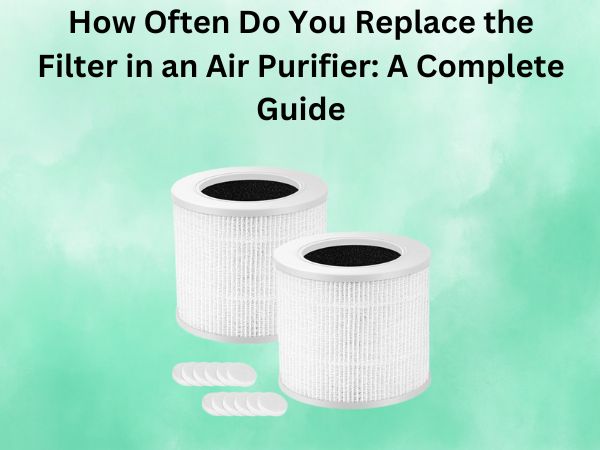
The typical setup includes a pre-filter that catches larger particles like dust and pet hair, an activated carbon filter that absorbs odors and some chemicals, and a HEPA filter that captures the tiniest particles including allergens and pollutants. Some premium models might have additional filters for specific purposes like UV sterilization or ionization layers.
Why Multiple Filters Matter
Having multiple filters isn’t just marketing fluff. Each layer works together to protect you more effectively than a single filter ever could. The pre-filter extends the life of your more expensive HEPA filter by catching the bulk of the larger particles first. It’s like a first line of defense that keeps the important players fresh and ready for action.
General Timeline for Filter Replacement
So, how often should you actually replace your air purifier’s filter? The straightforward answer is that most filters need replacement every 6 to 12 months, but this can vary significantly depending on usage and environmental conditions. Let me break this down further because it’s more nuanced than you might think.
The Six-Month Mark
Many manufacturers recommend a replacement at the six-month point if you’re running your air purifier continuously or in a heavily polluted environment. If you live in an area with high pollution levels, have multiple pets, or smoke, you might find yourself on the shorter end of this spectrum.
The Twelve-Month Standard
In lighter-use scenarios, where you’re running your purifier for a few hours daily in a relatively clean environment, you can often stretch your filters to the full twelve-month mark. This is especially true if you live in a suburban or rural area with decent air quality to begin with.
Factors That Affect Filter Lifespan
Now here’s where it gets interesting. Your filter’s lifespan isn’t set in stone—it’s influenced by numerous factors in your specific environment.
Air Quality in Your Location
If you live in a city with heavy traffic congestion or near industrial areas, your filters will get clogged much faster than someone living in a quiet countryside home. The air quality index in your region directly impacts how hard your filter has to work.
Usage Patterns
How often you run your air purifier matters tremendously. Running it 24/7 will obviously wear out the filter faster than using it just during allergy season or evening hours. Some people run their devices constantly, while others are more strategic about when they use them.
Presence of Pets
Pet owners, listen up: animals are filter killers. If you have dogs, cats, or other furry friends, expect to replace your filters more frequently. Pet dander and hair create a constant workload for your purifier, potentially cutting your filter life in half or more.
Smoking and Cooking
Smoke particles and cooking fumes are particularly taxing on filters. If anyone in your household smokes indoors or if you do a lot of cooking with oil and spices, your filters will need more frequent replacements. These activities release particles that clog filters rapidly.
Humidity Levels
Interestingly, humidity plays a role in filter longevity. High humidity can cause certain filters to deteriorate faster or encourage mold growth in the filter material. Maintaining balanced humidity levels in your home can actually help extend filter life.
Signs Your Filter Needs Replacement
Rather than blindly following a calendar, you should learn to recognize when your filter is genuinely ready for retirement. These signs tell you it’s time for a change:
- Your air purifier starts making unusual noise or sounds strained
- The fan speed seems weaker than usual despite being on the highest setting
- You notice reduced air output from the device
- Strange odors start coming from your purifier instead of the room smelling fresher
- The filter appears visibly dark, gray, or discolored when you look at it
- Your allergies or respiratory symptoms worsen despite the purifier running
- The air quality indicator light turns red or shows a warning
- You can actually feel the filter is clogged when you gently pull it out
Different Filter Types and Their Replacement Schedules
Not all filters are created equal, and different types have different lifespans. Let’s explore the main varieties you’ll encounter:
HEPA Filters
HEPA filters are the workhorses of the air purification world. These typically last between 6 to 12 months, though some high-quality versions can go longer. They’re designed to capture 99.97 percent of particles larger than 0.3 microns, which is incredibly effective but comes at the cost of needing regular replacement.
Activated Carbon Filters
Carbon filters absorb odors and volatile organic compounds. These typically need replacement every 3 to 6 months because they become saturated and lose their absorptive capacity. You’ll notice they stop eliminating odors before a mechanical filter would show signs of clogging.
Pre-Filters
Pre-filters are the easiest maintenance component. Many of them are washable and reusable, meaning you might never need to replace them. However, some disposable pre-filters can last 2 to 3 months before needing replacement. Check your manual to see if yours is washable.
Ionizer and UV Filters
If your purifier has an ionizer stage or UV light, these don’t wear out like mechanical filters. The UV bulb might need replacement every 12 to 18 months depending on the model, but it’s not something you’ll need to do as frequently as traditional filters.
How to Check Your Filter’s Condition
Want to know if your filter is truly ready for replacement without guessing? Here’s how to perform a proper inspection:
Visual Inspection Method
First, safely turn off and unplug your air purifier. Most units allow you to access the filter compartment easily. Carefully remove the filter and hold it up to light. If it’s white and mostly clean-looking, it still has life left. If it’s dark gray or brown, it’s time for a replacement.
The Airflow Test
This is a simple but effective method. Hold the filter up to a light source and try to see through it. If light passes through fairly clearly, the filter is still good. If it looks opaque or you can barely see any light, the filter is clogged and needs replacing.
Using Your Device’s Indicators
Many modern air purifiers have built-in filter life indicators. These sensors track how much air has passed through and alert you when replacement is due. This is one of the most reliable methods because it accounts for your specific usage patterns.
The Cost of Regular Filter Maintenance
Let’s talk about money, because maintaining your air purifier does involve ongoing expenses. Understanding these costs helps you budget appropriately and determine if your investment is worthwhile.
Typical Filter Prices
Replacement filters typically range from 30 to 100 dollars per filter set, depending on the brand and model. A basic filter might cost 30 to 50 dollars, while premium filters from high-end manufacturers can exceed 100 dollars. If you’re replacing filters twice yearly, you’re looking at 60 to 200 dollars annually.
Budget-Friendly Options
You can save money by buying filters in bulk or purchasing from third-party manufacturers that are compatible with your model. Just ensure they meet quality standards and fit properly. Some generic filters work just as well as brand-name versions at a fraction of the cost.
DIY Filter Cleaning vs. Replacement
Here’s an important distinction: some filters can be cleaned and reused, while others must be replaced. Understanding the difference saves you money and keeps your purifier working effectively.
Washable Filters
Pre-filters and some HEPA filters are labeled as washable or cleanable. These can be gently vacuumed or rinsed with cool water to restore some of their functionality. However, they will eventually reach the end of their useful life and need replacement, even if they’re washable.
Non-Washable Filters
Most HEPA and all activated carbon filters are disposable and cannot be effectively cleaned. Attempting to wash these damages the filter material and reduces its effectiveness. These must be replaced when they’re clogged.
The Right Approach
Always check your manufacturer’s instructions before attempting to clean any filter. Some manufacturers void your warranty if you wash non-washable filters. When in doubt, replace rather than clean, because a truly clogged filter puts unnecessary strain on your device’s motor.
Manufacturer Recommendations by Brand
Different manufacturers have different recommendations based on their technology and design. Let’s look at what some major brands suggest:
Common Recommendations Across Brands
- Standard models: 6 to 12 months
- Heavy-duty commercial models: 3 to 6 months
- Budget models: 6 to 9 months
- Premium smart models: 8 to 12 months
Most reputable manufacturers are fairly consistent in their recommendations, typically suggesting replacement every 6 to 12 months for residential use. The specific timeline they provide usually accounts for typical household usage patterns in average air quality conditions.
Environmental Impact of Filter Replacement
It’s worth considering the environmental footprint of frequently replacing filters. Millions of air purifier filters end up in landfills annually, representing significant waste.
Sustainable Practices
To minimize environmental impact, consider these practices: choose air purifiers with washable pre-filters to reduce waste, buy from manufacturers that offer recycling programs for used filters, or look for biodegradable filter options if available. Some companies now take back old filters for proper recycling or disposal.
Making It Last Longer
By implementing practices that extend filter life naturally, you reduce waste without compromising air quality. Using higher-quality filters that last longer, maintaining your device properly, and controlling indoor pollution sources all contribute to less frequent replacements and less environmental impact.
Best Practices for Extending Filter Life
Want to get more mileage out of your filters? These proven strategies help extend their lifespan:
Keep Your Home Cleaner
Regular vacuuming, dusting, and cleaning reduce the particle load in your air. When there’s less dust and debris floating around, your air purifier doesn’t have to work as hard, and filters stay cleaner longer. It’s a simple but effective approach.
Control Humidity Levels
Maintaining humidity between 30 and 50 percent prevents filters from becoming saturated and helps them maintain their effectiveness. Use a humidifier or dehumidifier as needed to stay within this range.
Use Pre-Filters Effectively
The pre-filter is there for a reason. By regularly cleaning your washable pre-filter or replacing disposable ones promptly, you prevent larger particles from clogging your more expensive HEPA filter, extending its life significantly.
Maintain Proper Airflow
Ensure nothing blocks the air intake or output vents of your purifier. Place it in a location where air can circulate freely around the device. Blocked intake forces the filter to work harder and clogs faster.
Run It Strategically
Instead of running your purifier constantly, use it during times when you need it most. Running it during allergy season, after cooking, or when you notice poor air quality is often sufficient and extends filter life compared to continuous operation.
Seasonal Considerations for Filter Changes
Different seasons put different demands on your air purifier. Understanding seasonal patterns helps you plan filter replacements more effectively:
Spring and Fall
Allergy seasons increase pollen and spore counts significantly. Your filters work overtime during these periods, requiring closer monitoring and potentially earlier replacement. If you rely heavily on your purifier during allergy season, plan for a filter replacement shortly after these seasons end.
Summer
Hot, humid summers can stress filters differently. If you’re running your purifier constantly because of summer allergies or air quality concerns, monitor filter condition more frequently. Heat can also affect some filter materials, so ensure your purifier isn’t exposed to excessive heat.
Winter
Winter brings heating systems that can dry out the air and make filters work harder with different particle types. Furnace filters and fireplace use generate additional particles that clog air purifier filters. Plan accordingly if you have these winter pollution sources in your home.
Warranty and Filter Replacement Coverage
Understanding what your warranty covers regarding filter replacement can save you money and frustration:
Typical Warranty Coverage
Most manufacturers cover the air purifier unit itself under warranty for 1 to 3 years, but filters are typically considered consumable items and aren’t covered. This means you’re usually responsible for paying for replacement filters, even if the device is under warranty.
Extended Coverage Options
Some premium brands offer extended warranty packages that include periodic filter replacements. While these cost more upfront, they can be worthwhile if you want predictable maintenance costs or if you use your pur