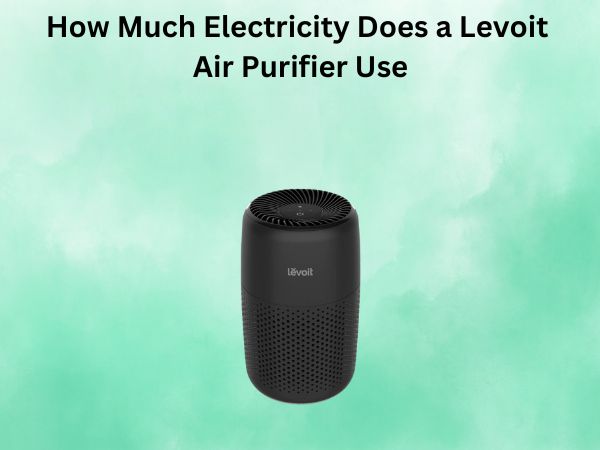
How Much Electricity Does a Levoit Air Purifier Use? A Complete Energy Consumption Guide
Considering a Levoit air purifier for your home? It’s perfectly natural to wonder about its potential impact on your electricity bill. This is a smart and often-overlooked question before making a purchase. Let’s dive into everything you need to know about the actual power consumption of these popular devices.
Understanding Air Purifier Energy Consumption
Here’s the thing about air purifiers: they’re not like your refrigerator, which runs constantly day and night. Instead, your Levoit air purifier’s energy consumption depends on several factors that work together to determine how much electricity it actually draws from your wall outlet. Think of it like driving a car—your fuel consumption changes depending on whether you’re on the highway or stuck in traffic.
The wattage of an air purifier is measured in watts, which represents the amount of power it uses when operating. Most Levoit air purifiers fall somewhere between 25 watts and 55 watts, depending on which model you’ve got and what speed setting you’re using.
The Range of Levoit Air Purifier Models
Levoit manufactures several different air purifier models, and they don’t all consume the same amount of electricity. The smaller, more compact models tend to use less power, while their larger units designed for bigger spaces require a bit more juice. Let me break this down for you so you can understand what you’re working with.
Popular Levoit Models and Their Power Consumption
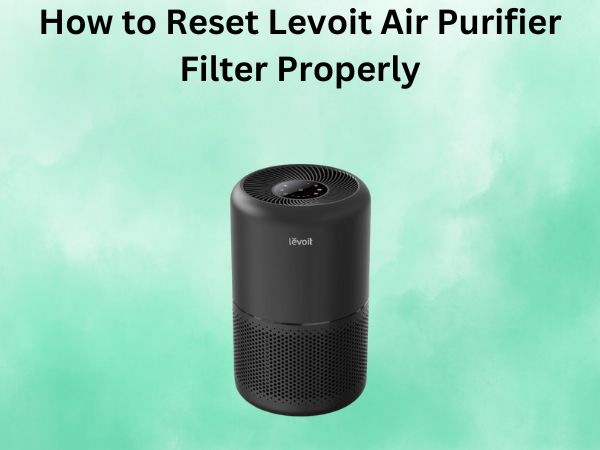
Levoit Core 300 Air Purifier
The Core 300 is one of Levoit’s bestselling models, and for good reason. This compact little machine uses approximately 25 watts on its lowest fan speed setting. When you crank it up to medium speed, you’re looking at around 35 watts, and at maximum speed, it draws roughly 45 watts. This is actually quite efficient when you think about it—that’s less power than most traditional light bulbs.
What makes this particularly interesting is that the Core 300 doesn’t require much energy to clean the air in a room up to 215 square feet. You’re getting solid performance without breaking the bank on electricity costs.
Levoit Core 400S Air Purifier
If you need something with a bit more muscle, the Core 400S steps up the game. This model is designed for slightly larger spaces and uses approximately 35 watts on low speed, 50 watts on medium speed, and around 60 watts on high speed. Still, when you spread that consumption across the year, we’re talking about minimal impact on your energy bills.
Levoit Core Mini Air Purifier
For those of you with smaller spaces or who want something portable, the Core Mini is incredibly efficient. It typically uses between 15 and 25 watts depending on the fan speed. This is perfect if you’re running it in a bedroom or small office.
What Affects Your Levoit Air Purifier’s Energy Use?
Fan Speed Settings
The most obvious factor affecting energy consumption is which fan speed you’re running. Here’s what happens: when you set your Levoit to the lowest speed, it barely uses any power at all. As you move up to medium and then high speeds, the motor works harder and demands more electricity. It’s straightforward physics—more work requires more energy.
Most people find that running their air purifier on medium speed is a sweet spot. You get decent air cleaning performance without maxing out your power consumption. Running on high speed all day, every day, would obviously increase your electricity usage significantly.
Daily Operating Hours
How long do you actually run your air purifier each day? This is crucial for calculating your actual energy costs. Someone who runs their device 24 hours a day will obviously pay more than someone who only uses it while they’re sleeping. Let’s do some quick math to help you understand the difference.
If your Levoit Core 300 uses 35 watts on medium speed and you run it for 8 hours daily, that’s 280 watt-hours per day. Over a month, that’s about 8.4 kilowatt-hours. Compare that to someone running it 24 hours a day—they’d use about 25.2 kilowatt-hours monthly.
Model Size and Capacity
Larger air purifiers naturally require more power because they have more robust motors and better filtration systems. A Levoit designed for a 500-square-foot room will consume more electricity than one designed for 200 square feet. That’s just the nature of the technology—you’re getting more purification power, so you’re using more energy.
Calculating Your Monthly and Yearly Electricity Costs
Breaking Down the Math
Let me help you figure out what this actually costs you in real dollars and cents. To calculate your monthly electricity consumption, you need to know three things: the wattage of your device, how many hours you run it daily, and your local electricity rate.
Most Americans pay somewhere between 10 to 15 cents per kilowatt-hour, though this varies significantly by region. Let’s use the example of a Levoit Core 300 running on medium speed at 35 watts.
- 35 watts × 8 hours per day = 280 watt-hours daily
- 280 watt-hours × 30 days = 8,400 watt-hours monthly
- 8,400 watt-hours = 8.4 kilowatt-hours
- 8.4 kilowatt-hours × $0.12 per kWh = approximately $1.01 per month
So for roughly one dollar per month, you’re getting cleaner air. That’s actually pretty reasonable when you think about the health benefits you’re getting.
Yearly Cost Estimation
If you run your air purifier year-round at the same settings, you’d spend approximately $12 annually. For someone running it 24 hours a day on medium speed, the cost might be around $36 per year. Even if you ran it on high speed constantly, you’re probably looking at less than $60 per year in electricity costs.
Compare that to other home appliances, and air purifiers are remarkably efficient. Your coffee maker, electric kettle, or toaster probably uses more power in a single use than an air purifier uses in several days.
How Levoit Designs for Energy Efficiency
Smart Sensor Technology
Here’s something really clever that Levoit incorporated into many of their models: smart sensors that detect air quality in real-time. When the air is already clean, the device doesn’t need to work as hard. The sensors continuously monitor pollutant levels and automatically adjust the fan speed accordingly. This means you’re not wasting electricity purifying already-clean air.
It’s like having cruise control for your air purifier—it only uses the energy it actually needs to maintain your desired air quality level.
HEPA Filter Technology
Levoit’s HEPA filters are designed to be efficient without requiring excessive air flow. This means the motors don’t need to spin as fast or work as hard to achieve excellent filtration. That efficiency translates directly to lower power consumption.
Sleep Mode Features
Most Levoit models include a sleep mode that reduces fan speed to an absolute minimum, often consuming as little as 10 watts. If you’re running your air purifier overnight in a bedroom, sleep mode is perfect because it maintains air cleaning while keeping noise low and energy use minimal.
Comparing Levoit to Other Air Purifier Brands
You might be wondering how Levoit stacks up against other air purifier manufacturers in terms of energy efficiency. The good news is that Levoit air purifiers are generally among the most efficient on the market. Many competing brands use similar wattage ranges, but Levoit tends to offer better air cleaning performance per watt of power consumed.
Budget brands might use less power, but they often provide less effective filtration. Premium brands might offer advanced features, but they frequently consume significantly more electricity. Levoit strikes a nice balance between performance, affordability, and energy efficiency.
Ways to Minimize Your Air Purifier’s Energy Consumption
Optimize Your Usage Patterns
You don’t necessarily need to run your air purifier 24/7. Consider running it during times when you’re home or when air quality is typically worse. For example, running it during daylight hours when outdoor pollution is higher makes sense. You might also run it more frequently during seasons when pollen or allergens are at their peak.
Use the Auto Mode Feature
If your Levoit has an auto mode, use it. This feature automatically adjusts fan speed based on detected air quality, preventing unnecessary energy waste when the air is already clean. It’s genuinely one of the best ways to keep your electricity costs minimal.
Maintain Your Filter Regularly
A clogged filter forces your air purifier to work harder and use more electricity. By replacing your HEPA filter every six to eight months (depending on usage and air quality), you ensure that your device operates at peak efficiency. A well-maintained purifier uses less energy and performs better.
Proper Placement Matters
Where you position your air purifier affects how efficiently it can clean the air. Place it away from walls and obstructions so air can flow freely around the device. When your purifier doesn’t have to work around obstacles, it uses less energy to circulate and clean the air.
Environmental Impact and Sustainability Considerations
Beyond just your electricity bill, it’s worth thinking about the environmental impact of running an air purifier. The good news is that the amount of energy Levoit air purifiers consume is quite modest compared to their health benefits.
Even if your electricity comes from non-renewable sources, running an efficient air purifier uses far less energy than operating many other household appliances. And if you have renewable energy sources like solar panels, your environmental impact is essentially zero.
Think of it this way: the air pollution you’re preventing from entering your lungs is worth far more than the minimal electricity cost or environmental impact of running the device.
Understanding Energy Star Ratings and Certifications
Some Levoit models carry Energy Star certification, which means they meet strict energy efficiency guidelines set by the EPA. If you see this certification on a model you’re considering, it’s a good indicator that the manufacturer has prioritized efficiency without sacrificing performance.
Energy Star certified products have been independently tested and verified to use less energy than non-certified alternatives. This gives you extra confidence that you’re making a smart, efficient choice.
Real-World Usage Examples and Scenarios
Home Office Setup
Let’s say you work from home and run your Levoit Core 300 during your eight-hour workday on medium speed. That costs you about $1 per month. Over a year, that’s just $12. Most people wouldn’t even notice that on their electricity bill.
Bedroom Sleep Scenario
If you run a Core Mini in your bedroom at night using sleep mode, consuming about 15 watts for eight hours, you’re looking at roughly $0.36 per month. That’s less than the cost of a cup of coffee.
Living Room Coverage
For someone running a larger model like the Core 400S in their main living area for 12 hours daily on medium speed, the monthly cost might be around $1.80. Still incredibly affordable for the health benefits.
Troubleshooting High Energy Consumption
If you feel like your air purifier is using too much electricity, there are a few things you can check. First, verify which fan speed you’re actually running it on—you might have accidentally set it to high. Second, check when you last replaced the filter. A dirty filter causes the motor to work overtime. Third, make sure the device isn’t blocked by furniture or curtains, which forces it to work harder.
In most cases, perceived high energy consumption is usually just a matter of usage patterns or maintenance, not a problem with the device itself.
Conclusion
So how much electricity does a Levoit air purifier actually use? The straightforward answer is: very little. Most models consume between 25 and 60 watts depending on the specific model and fan speed setting. In real-world terms, this translates to somewhere between $1 and $5 per month in electricity costs for typical daily usage.
Levoit has designed their air purifiers with energy efficiency in mind, incorporating smart sensors, efficient HEPA filters, and multiple speed settings that let you control exactly how much power you’re using. Whether you’re running a compact Core Mini or a larger Core 400S, you’re making a choice that’s both financially responsible and environmentally conscious.
The minor electricity costs are absolutely worth it when you consider the air quality improvements and health benefits you’re getting. Breathing cleaner air is one of the best investments you can make for your health, and with Levoit air purifiers, that investment comes with remarkably low operating costs. Don’t let concerns about energy consumption prevent you from enjoying the benefits of cleaner, healthier air in your home.
Frequently Asked Questions
Is it safe to run my Levoit air purifier all day and night?
Absolutely, it’s completely safe to run your Levoit air purifier continuously. The device is designed for extended operation, and many people leave theirs running 24/7 without any issues. The only consideration is your electricity bill and personal preference regarding noise level. If continuous operation bothers you at night, most models have a quiet sleep mode that uses minimal power.
Does running my air purifier on high speed significantly increase my electricity bill?
Running on high speed does use more electricity than low or medium settings, but the difference isn’t dramatic. A Levoit Core 300 on high speed uses roughly 45 watts compared to 25 watts on low, which means the difference is about $0.24 per month if you’re running it eight hours daily. That’s negligible for most households.
What’s the cheapest Levoit model to operate in terms of electricity costs?
The Levoit Core Mini is the most economical model to run because it uses the least amount of electricity. With a consumption range between 15 and 25 watts, it’s perfect for small rooms and generates minimal operating costs. However, if you need to cover a larger space, the Core 300 offers an excellent balance of coverage and efficiency.
Will my air purifier use less electricity if I run it on medium instead of high speed?
Yes, running your air purifier on medium speed will use noticeably less electricity than high speed, and you’ll still get effective air cleaning in most situations. The difference between medium and low is smaller, but still meaningful. Many users find that medium speed provides the best balance between cleaning performance and energy efficiency.
Can I reduce my air purifier’s energy consumption by placing it in a smaller room?
While the air purifier itself will use the same wattage regardless of room size, a properly sized unit for your space will achieve your desired air quality faster, allowing you to potentially run it at lower speeds or fewer hours. If you’re currently using an oversized purifier in a small room, downsizing to a model designed for your space could help reduce overall energy consumption.
“`