How Often to Replace Vacuum Filters for Best Suction
You should typically replace your vacuum filters every 3 to 6 months, depending on the type of filter and how often you vacuum. This regular replacement ensures your vacuum runs efficiently and captures the most dust and allergens. Ignoring filter changes can lead to reduced suction power and potentially shorter vacuum lifespan.
Dirty filters are a common culprit behind a struggling vacuum cleaner. They trap dirt and debris, which can eventually clog the airflow. Many experts say that cleaning or replacing filters is one of the easiest maintenance tasks you can do. It significantly impacts your home’s air quality and your vacuum’s performance.
- Most vacuums need filter changes every 3-6 months.
- Check your vacuum’s manual for specific recommendations.
- HEPA filters might need replacement less often than foam ones.
- Visually inspect filters for excessive dirt and damage.
Let’s break down why this is important and how often you should be changing those vital vacuum filters.
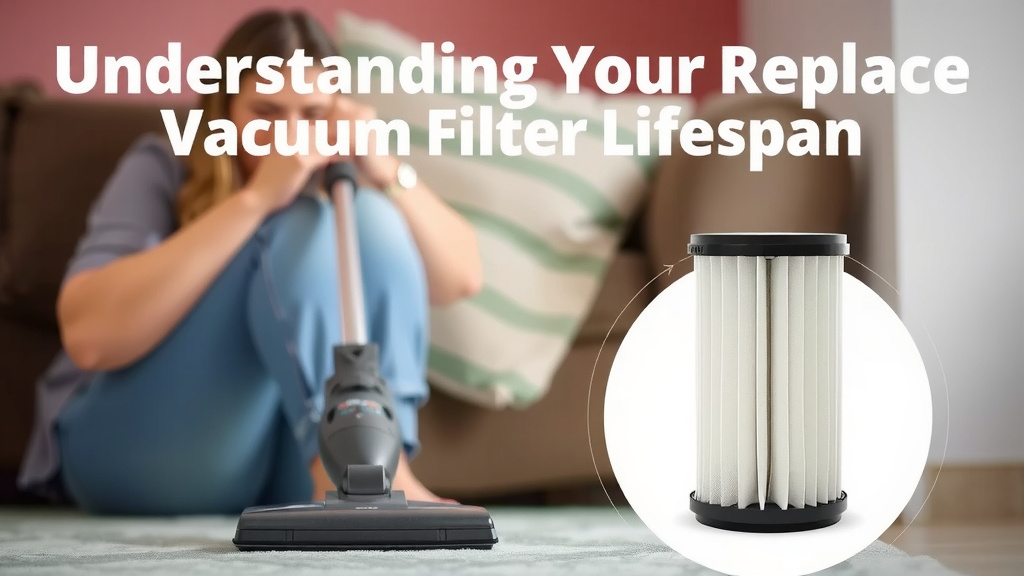
Understanding Your Vacuum Filter Lifespan
You might be wondering, “How often should I really be swapping out these vacuum filters?” It’s a common question, and the answer isn’t a one-size-fits-all. Most experts recommend replacing your vacuum filters somewhere between 3 to 6 months. However, this is a general guideline. Several factors play a role in determining the perfect timing for your specific vacuum.
Why Filter Replacement Matters So Much
Think of your vacuum filter as the lungs of your machine. Just like our lungs need clean air to function well, your vacuum needs a clean filter for optimal performance. When filters get clogged with dust, dirt, and allergens, they restrict airflow. This means your vacuum has to work much harder to suck up debris. You’ll notice this as a dramatic loss of suction power. It’s like trying to drink through a straw that’s been partly blocked – it’s just not as effective!
Beyond just performance, dirty filters can actually recirculate dust and allergens back into your home’s air. This can be a real problem, especially for households with allergy sufferers or pets. We found that keeping filters clean can improve the air quality in your living space. The U.S. Environmental Protection Agency (EPA) highlights that well-maintained filters contribute to a healthier indoor environment.
Different Filter Types, Different Timelines
Not all vacuum filters are created equal. The material and design of your filter will impact how often it needs to be replaced. It’s always best to consult your vacuum’s manual first. It’s your primary source for manufacturer-specific recommendations.
HEPA Filters: The Long-Haul Players
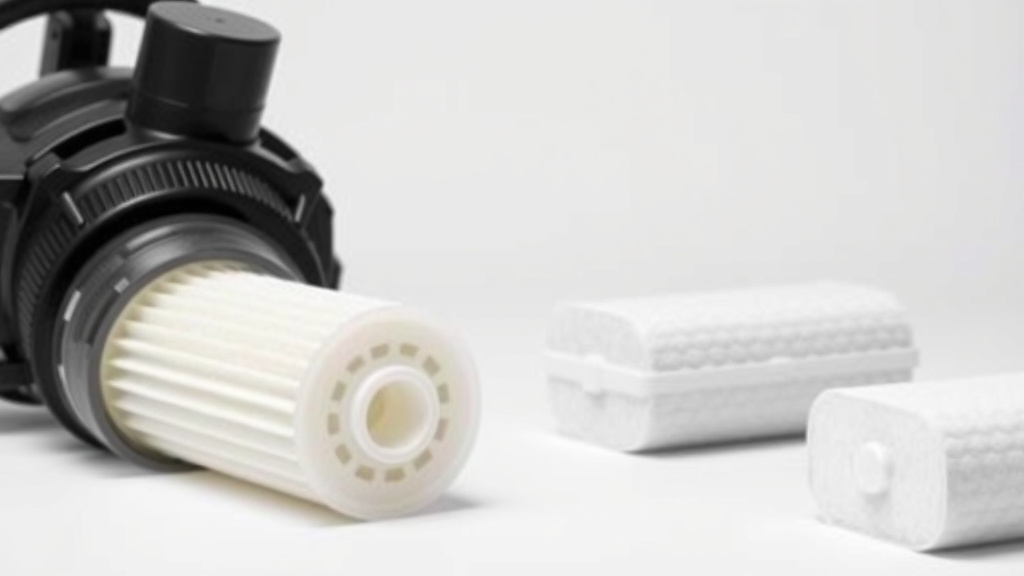
If your vacuum boasts a HEPA filter, you’re likely in luck. HEPA stands for High-Efficiency Particulate Air. These filters are designed to trap 99.97% of particles 0.3 microns in size. Because of their robust construction and advanced filtration capabilities, HEPA filters often have a longer lifespan. We found that many HEPA filters can last anywhere from 6 months to a full year. However, this can depend heavily on usage and the specific type of HEPA filter.
Foam and Cloth Filters: The Frequent Flyers
Many vacuums, especially older models or those designed for basic cleaning, use foam or cloth filters. These are typically washable, which is a great perk! However, even with washing, they tend to degrade over time. Experts suggest that these types of filters might need replacement more frequently, perhaps every 3 to 6 months, even if you wash them regularly. Over time, the material can become less effective at trapping fine particles.
Cartridge Filters: A Middle Ground
Cartridge filters, often found in canister vacuums or shop vacs, offer a balance. Their lifespan can vary widely. Some might need replacing every 6 months, while others, with careful cleaning, could last up to a year. Always check the filter’s condition rather than relying solely on a time frame.
Factors That Influence Filter Life
Beyond the filter type, your vacuuming habits and environment play a huge role. Think of it like this: if you run a marathon every day, your running shoes will wear out faster than someone who takes short walks. Your vacuum filters are no different.
How Often Do You Vacuum?
This is perhaps the biggest indicator. If you vacuum your entire house daily, especially if you have kids and pets, your filters will clog much faster. Daily vacuumers might need to check and potentially replace their filters every 2 to 3 months. For those who vacuum once a week or less, the 3-6 month guideline is usually more appropriate.
What Are You Vacuuming?
Are you vacuuming plush carpets with lots of embedded pet hair and dander? Or are you mainly cleaning hard floors with light dust? Vacuuming up fine dust, pet hair, sand, or larger debris means your filter will work harder and clog faster. Cleaning up after a big DIY project will drastically shorten a filter’s life. We found that homes with pets or frequent construction dust often require more frequent filter changes.
Household Allergies and Air Quality
If anyone in your home suffers from allergies, asthma, or other respiratory issues, maintaining clean filters becomes even more critical. You’ll want to err on the side of caution and replace filters more often to ensure the best possible air quality. Some organizations, like the Asthma and Allergy Foundation of America, recommend high-quality filtration systems and regular maintenance for allergy sufferers.
When to Check and Replace: A Visual Guide
Your eyes are your best tools here! Don’t just set a calendar reminder and forget about it. Regularly inspecting your filters will give you the best indication of when they need attention.
Signs Your Filter Needs Attention
- Visible Dirt and Grime: If the filter looks heavily discolored or caked with dirt, it’s time.
- Reduced Suction: Your vacuum seems weaker and is struggling to pick up dirt.
- Unpleasant Odors: Dirty filters can trap smells, making your vacuum emit a musty odor.
- Physical Damage: Look for tears, holes, or warped sections in the filter material.
A simple visual inspection can save you from a poorly performing vacuum. We found that many users overlook this simple step, leading to frustration. Take it out, hold it up to a light, and see what you think. If it looks like it’s seen better days, it probably has.
Washable vs. Non-Washable Filters
Some filters are designed to be rinsed under water and reused. This can save you money and reduce waste. However, it’s crucial to follow the cleaning instructions precisely.
Caring for Washable Filters
Typically, you’ll rinse them under cool, running water until the water runs clear. Never use soap or detergents, as these can damage the filter material. After washing, you MUST allow the filter to air dry completely before reinserting it. This can take 24 hours or more. Putting a damp filter back in your vacuum can lead to mold and mildew growth, which is a health hazard and can damage your machine.
When to Let Go of Washable Filters
Even washable filters have a limit. After several washes, the material can wear down and lose its effectiveness. If a washable filter looks stretched, thin, or no longer traps dirt well, it’s time to replace it, even if it’s been washed. You can’t always see the microscopic damage that reduces its filtering capacity.
Non-washable filters, often made of paper or denser materials like HEPA, are designed for single use. Once they are visibly dirty or damaged, they need to be discarded and replaced with a new one.
A Quick Filter Replacement Checklist
Here’s a simple way to remember when to check on your vacuum filters:
- Check your vacuum’s manual for specific filter type and replacement frequency.
- Inspect filters visually every 1-2 months.
- Replace filters every 3-6 months as a general rule.
- Replace HEPA filters typically every 6-12 months.
- Washable filters: clean per instructions, replace annually or when damaged.
- If suction drops or odors appear, check filters immediately.
Conclusion
Taking care of your vacuum filters is a simple yet powerful way to keep your home cleaner and your machine running smoothly. You’ve learned that replacing filters every 3 to 6 months is a good starting point, but your specific vacuum, filter type, and cleaning habits all play a role. We found that even washable filters need replacing eventually, and visual checks are your best guide.
Don’t let a clogged filter sabotage your cleaning efforts or air quality. Make it a habit to check your filters regularly. Your next step? Grab your vacuum’s manual and schedule a filter check or replacement for next month. Your vacuum (and your lungs) will thank you!
Frequently Asked Questions
How often should I replace my vacuum’s HEPA filter?
HEPA filters are designed for longer life, often lasting between 6 months to a full year. However, this depends heavily on how often you vacuum and what you’re cleaning. We recommend checking your HEPA filter visually every few months to assess its condition.
Can I just wash my vacuum filters forever?
While many filters are washable, they aren’t meant to last indefinitely. After multiple washes, the material can degrade and become less effective at trapping fine dust. You should replace washable filters at least annually, or sooner if they appear thin, stretched, or damaged.
What happens if I don’t replace my vacuum filter?
Not replacing your filter can lead to a significant drop in suction power, making your vacuum less effective. It can also cause dirty air and allergens to be recirculated back into your home. In some cases, a severely clogged filter can even damage your vacuum motor over time.
Does vacuuming up pet hair require more frequent filter changes?
Yes, absolutely. Pet hair, dander, and tracked-in dirt are tough on filters. If you have pets, you’ll likely need to inspect your filters more often and potentially replace them every 2-3 months, rather than the standard 3-6 months. This ensures your vacuum can keep up with the extra load.
How do I know if my filter is truly dirty, even if it looks okay?
Besides visual inspection, the most common sign is a noticeable decrease in your vacuum’s suction power. You might also start noticing unpleasant odors coming from your vacuum, as dirty filters can trap smells. If you experience either of these, it’s time to check your filter, even if it doesn’t look heavily soiled.