
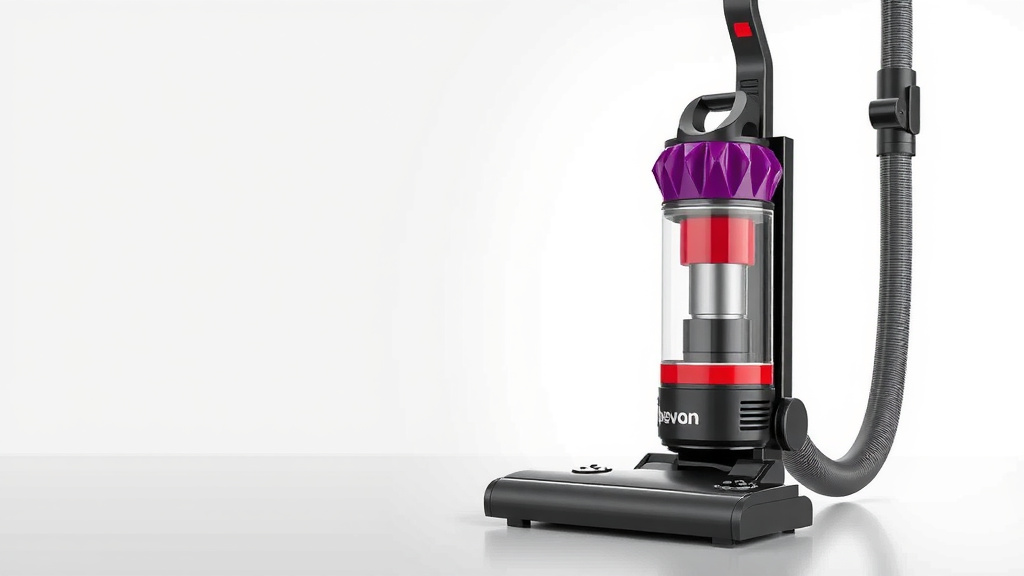
How Often Should You Replace Your Vacuum Cleaner
You should replace your vacuum cleaner when it starts losing suction, making strange noises, or if its parts are significantly worn out. Many experts recommend replacing a vacuum every 3-10 years, depending on its quality and how often you use it. A well-maintained vacuum can last longer, but eventually, wear and tear catch up.
Thinking about replacing your vacuum is a smart move for maintaining a clean home. Older vacuums might not be as energy-efficient as newer models. Plus, modern vacuums often come with better filtration systems to help with allergies. It’s about more than just suction; it’s about overall cleaning performance and home health.
- Vacuums typically last 3-10 years.
- Signs of needing a new one include poor suction and odd noises.
- Consider efficiency and filtration upgrades.
- Frequent use and quality impact lifespan.
Let’s walk through the common signs that signal it’s time for a new vacuum and what factors to consider when making your choice.
When Should You Consider Replacing Your Vacuum Cleaner?
Your trusty vacuum cleaner has served you well, but how do you know when it’s time to say goodbye? It’s not just about age. We’ve all had those moments where you feel like you’re pushing a decoration around the floor, not actually cleaning it. That’s a clear sign. Many experts suggest a lifespan of anywhere from 3 to 10 years for most vacuums. This really depends on the model’s quality and how much you put it to work.
Think of your vacuum like your car. A sporty convertible might not last as long as a sturdy minivan, and neither will perform as well if you’re driving them hard every single day. Your vacuum cleaner is no different. A high-quality machine, used moderately, will likely outlast a budget model that’s constantly battling pet hair and deep-pile carpets.
Signs Your Vacuum Needs an Upgrade
Let’s talk about the not-so-subtle hints your vacuum might be giving you. If it sounds like it’s gargling marbles or has developed a strange, high-pitched whine, that’s usually a bad sign. These unusual noises can indicate a motor struggling or a belt on its last leg. A healthy vacuum sounds powerful, not pained.
The most obvious indicator is, of course, suction power. Are you finding yourself going over the same spot multiple times, only for the dirt to remain? That’s a major red flag. It means the vacuum isn’t effectively picking up debris, no matter how many passes you make. Your carpet might look okay at first glance, but you’re likely leaving behind dust and allergens.
Loss of Suction: The Biggest Culprit
Why does suction diminish? Often, it’s due to a clogged filter or a full dustbin. But if you’ve cleaned the filters, emptied the bin, and checked for blockages, and the suction is still weak, the internal components might be wearing out. The motor could be losing power, or the brush roll might not be spinning with enough force. This makes your cleaning efforts feel much less effective.
Strange Noises and Smells
A vacuum that starts sounding like a jet engine preparing for takeoff, or worse, begins emitting a burning smell, is telling you something is seriously wrong. These noises often point to motor issues, overheated components, or even something caught in the fan or belt. Ignoring these could lead to a complete breakdown or, in rare cases, a fire hazard (Mayo Clinic). Safety first, always!
Visible Wear and Tear
Take a good look at your vacuum. Are the wheels wobbly? Is the plastic casing cracked? Does the power cord look frayed? These are all signs of physical wear. A vacuum that’s falling apart structurally won’t function optimally and could even be dangerous to use. Worn-out parts mean the machine isn’t as efficient as it should be.
Understanding Vacuum Lifespan: Factors to Consider
You’ve heard the 3-10 year range, but what really influences that number? Think about the quality of the vacuum you bought. Higher-end models, built with more durable materials and robust motors, naturally tend to last longer. A budget vacuum might be affordable upfront, but it might need replacing much sooner.
Then there’s usage. If you have a large home, multiple pets, or frequently host guests, your vacuum is probably working overtime. Daily use will wear down parts faster than weekly use. We found that vacuums used in commercial settings, for instance, have a much shorter lifespan than those in a typical household (Industry Standard Estimates). So, your cleaning habits play a huge role.
Maintenance is Key to Longevity
Regular maintenance is your best friend when it comes to extending your vacuum’s life. This means regularly cleaning or replacing filters, emptying the dustbin or bag, and checking for clogs in the hose and attachments. Keeping the brush roll free of tangled hair and threads also ensures it spins effectively. A little bit of care goes a long way. Research from consumer product reviews often highlights that consistent upkeep is a primary differentiator between vacuums that last years and those that falter.
Technological Advancements and Efficiency
Newer vacuum models often boast improved energy efficiency. Older models can consume more electricity than newer, more advanced ones. If you’re noticing a spike in your energy bill that you can’t explain, your old vacuum might be a silent culprit. Plus, advancements in filtration, like HEPA filters, can significantly improve your home’s air quality by trapping tiny allergens and dust particles (Cleveland Clinic). For allergy sufferers, this is a game-changer.
Consider this checklist when assessing your current vacuum:
- Is suction noticeably weaker, even after cleaning filters and bin?
- Are there unusual noises like grinding, whining, or burning smells?
- Are parts visibly damaged, cracked, or excessively worn?
- Does it struggle to pick up everyday dirt and debris?
- Are you spending more time cleaning with less effective results?
- Is the power cord frayed or the casing damaged?
Conclusion
Knowing when to replace your vacuum is about listening to your machine and observing your cleaning results. If your vacuum is losing suction, making concerning noises, or showing signs of physical wear, it’s likely time for an upgrade. Remember, a quality vacuum used regularly might last 3-10 years, but consistent maintenance can stretch that life. Consider the long-term benefits of newer models, like improved energy efficiency and better filtration for allergy relief. Your next step? Assess your current vacuum against these signs and consider investing in a model that will keep your home truly clean and healthy.
Frequently Asked Questions
How often should I deep clean my vacuum cleaner?
You should aim to deep clean your vacuum cleaner every 1-3 months, depending on your usage and home environment. This includes thoroughly cleaning or replacing filters, emptying the dustbin or bag, and clearing any blockages in the hose or brush roll. Regular deep cleaning is key to maintaining optimal suction and extending your vacuum’s lifespan.
Can a vacuum cleaner be repaired instead of replaced?
Yes, many vacuum cleaner issues can be repaired, especially for minor problems like clogged hoses, worn belts, or dirty filters. For more complex motor issues or significant structural damage, replacement might be more cost-effective. It’s often worth getting a quote from a repair shop to see if it’s a viable option.
Are more expensive vacuums really worth the investment for longevity?
Generally, yes. Higher-priced vacuums are often built with more durable materials and stronger motors, leading to a longer lifespan. While the initial cost is higher, they tend to perform better over time and may avoid the frequent repairs or earlier replacement needed for cheaper models. You’re investing in better performance and durability.
What impact does pet hair have on vacuum lifespan?
Pet hair can significantly shorten a vacuum’s lifespan if not managed properly. It tends to clog filters, tangle brush rolls, and put extra strain on the motor. Regular cleaning of these components, especially the brush roll and filters, is essential if you have pets to ensure your vacuum continues to function effectively and doesn’t wear out prematurely.
Should I replace my vacuum if I have allergies?
If you suffer from allergies, consider replacing your vacuum when you notice a decline in its filtration performance or suction. Newer vacuums often feature advanced filtration systems, like HEPA filters, which are much more effective at trapping allergens, dust mites, and pet dander. Upgrading can lead to noticeably cleaner air in your home.
![7 Best Miele Vacuum For Carpets [2026]](https://bathroomexplorer.com/wp-content/uploads/2026/06/7-best-miele-vacuum-for-carpets-2026-featured-768x432.jpg)

![7 Best Cordless Vacuum Cleaner For Dog Hair [2026]](https://bathroomexplorer.com/wp-content/uploads/2026/05/7-best-cordless-vacuum-cleaner-for-dog-hair-2026-featured-768x432.jpg)