

How Often To Change Vacuum Bags For Best Suction
You should change your vacuum bag when it’s about two-thirds full. This ensures your vacuum continues to work at its best. Not changing it often enough can lead to a loss of suction power and even cause your vacuum to overheat.
A full bag means your vacuum has to work harder. This can strain the motor and reduce its lifespan. It also means dust and debris can escape back into your home. Keeping bags at a good level means cleaner air and a longer-lasting vacuum cleaner.
- Change bags when about 2/3 full.
- Don’t wait until the bag is completely full.
- Full bags reduce suction power.
- This can damage your vacuum motor.
- Regular changes keep your home cleaner.
Let’s walk through exactly when and why you should be swapping out that bag to keep your home tidy and your vacuum happy.
“`htmlWhen Should You Swap Out Your Vacuum Bag?
Knowing exactly when to change your vacuum bag is key. It’s not just about convenience; it directly impacts your vacuum’s performance. Experts generally agree that two-thirds full is the sweet spot.
Understanding the “Two-Thirds Full” Rule
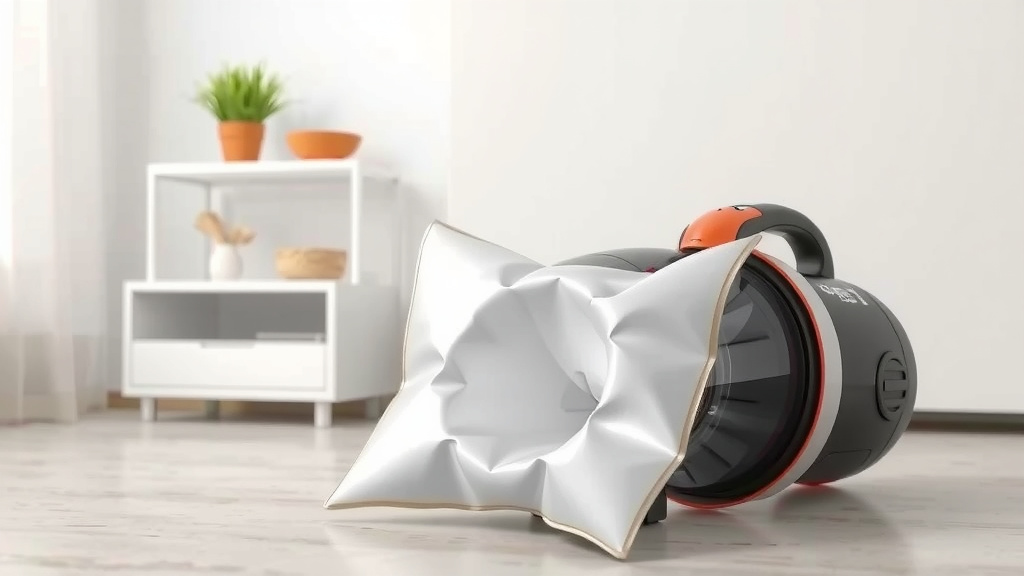
Think of your vacuum bag like a lung. When it’s partially full, air can move through it easily. This allows your vacuum to suck up dirt and debris efficiently. As the bag fills up, air struggles to pass through. This makes your vacuum work much harder.
Why Not Wait Until It’s Full?
Waiting until your bag is completely stuffed is a recipe for trouble. When a bag is packed tight, the airflow is severely restricted. This leads to a dramatic drop in suction power. Your vacuum might start leaving dirt behind, making your cleaning efforts less effective. You’ll find yourself making more passes over the same spot.
The Risk of Overheating
A choked-off airflow doesn’t just reduce suction. It also causes the motor to overheat. The motor has to push air through a dense collection of debris. This generates excess heat. Over time, this can lead to serious damage to your vacuum’s motor. Some vacuums even have safety shut-offs to prevent this, but frequent overheating can shorten the motor’s lifespan considerably. This is an expense you’d rather avoid.
Factors That Influence Bag Change Frequency
While “two-thirds full” is the general rule, a few things can change how often you need to change your bag. It’s not a one-size-fits-all answer.
Your Vacuuming Habits
Do you vacuum your entire house daily? Or just spot clean a few times a week? If you vacuum frequently, your bags will fill up faster. Someone with a large family and pets might need to change bags more often than a single person with no pets. We found that frequent vacuumers often change bags twice as often.
The Type of Debris You’re Cleaning
Are you vacuuming fine dust, or larger debris like pet hair and crumbs? Fine dust can pack tightly into the bag. This can clog the pores of the filter material quicker. Larger items might leave more air pockets, meaning the bag might not feel as full as it is. Cleaning up after a home renovation project will definitely fill your bag much faster than regular tidying.
The Size of Your Vacuum Bag
Vacuums come with bags of different capacities. A small, compact vacuum might have a smaller bag that fills up in weeks. A larger, upright model might have a bigger bag that lasts for months. Always check your vacuum’s manual for the recommended bag size and type.
Signs Your Vacuum Bag Needs Changing (Beyond Just Looking)
Sometimes, you might not even realize your bag is getting full until it’s too late. Here are some telltale signs to watch out for:
Noticeable Loss of Suction
This is the most common indicator. You’ll feel it when you’re cleaning. The vacuum just doesn’t seem to pick things up like it used to. You might have to go over areas multiple times. This isn’t necessarily a sign of a broken vacuum, but a sign that the bag is full.
The Vacuum Smells “Off”
When debris sits in a bag for too long, it can start to break down and create odors. Pet dander, food particles, and general dust can become a breeding ground for bacteria. This leads to unpleasant smells emanating from your vacuum as you use it. Some vacuums have exhaust filters, but they can only do so much if the bag itself is the source of the odor.
Reduced Airflow From the Exhaust
Besides suction, you might notice less air coming out of your vacuum’s exhaust vent. This is another symptom of restricted airflow. The motor is struggling to push air through the clogged bag. This can also mean dust is escaping back into your home.
Your Vacuum is Running Hotter Than Usual
As mentioned before, the motor working harder generates heat. If your vacuum feels unusually hot to the touch after use, it’s likely struggling. This is a strong signal to check the bag. We found that vacuums left to run with full bags for extended periods were more prone to motor failure.
The Impact on Your Home’s Air Quality
Changing your vacuum bag isn’t just about your vacuum; it’s about your home’s environment. When a vacuum bag is overfilled, dust and allergens can actually start to leak back out into the air through microscopic holes or seams in the bag. This defeats the purpose of cleaning!
Allergens and Dust Mites
Vacuums are designed to trap dust, pollen, pet dander, and other allergens. A full or damaged bag can release these irritants back into your living space. For those with allergies or asthma, this can lead to increased symptoms. The EPA suggests that indoor air can be up to five times more polluted than outdoor air (EPA). Regular bag changes help keep these particles contained.
Maintaining a Cleaner Home
A vacuum with good suction and a clean bag is your best ally against dust and dirt. When you let the bag get too full, you compromise its effectiveness. This means dirt is left behind on carpets and floors. Swapping out the bag regularly ensures your vacuum can do its job properly, leading to a genuinely cleaner home.
A Quick Checklist for Your Vacuum Bag Routine
Here’s a simple way to remember when to check and change your vacuum bag:
- Check after every major clean: Make it a habit to look inside.
- Listen for signs: Is the suction weaker than usual?
- Feel the heat: Is your vacuum running hotter?
- Smell test: Are there any musty odors?
- Visual check: Aim for the 2/3 full mark.
- Consult your manual: Know your vacuum’s specific needs.
When to Consider a Different Type of Vacuum Bag
Sometimes, the problem isn’t just how full the bag is, but the bag itself. If you’re finding you have to change bags very frequently, you might consider a few things. Ensure you’re using the correct brand and type of bag recommended by your vacuum manufacturer. Generic bags might not fit as snugly or filter as effectively.
HEPA Filtration Bags
For homes with allergy sufferers, upgrading to HEPA-filtered vacuum bags can make a big difference. These bags are designed to trap even finer particles, preventing them from escaping into the air. While they might fill slightly faster due to their dense material, the improvement in air quality is often worth it. Many experts recommend them for better indoor air quality (Cleveland Clinic).
Reusable vs. Disposable Bags
Some vacuums use reusable cloth bags. While these can save money and reduce waste, they require regular cleaning. If you don’t clean them often enough, they can harbor bacteria and dust mites. Disposable bags are often more convenient and provide a fresh start each time. If you opt for reusable, make sure you’re washing them according to the manufacturer’s instructions.
The Bottom Line: Consistency is Key
The best approach is to establish a routine. Checking your vacuum bag regularly, rather than waiting for problems to arise, will save you time, money, and frustration. Keeping your vacuum bag at that optimal two-thirds full mark ensures you get the best performance and keep your home’s air as clean as possible.
“`
Conclusion
You’ve learned that changing your vacuum bag at the two-thirds full mark is more than just a good habit – it’s essential for keeping your vacuum running efficiently and your home’s air clean. Regularly checking and replacing your vacuum bag prevents loss of suction, protects your vacuum’s motor from overheating and damage, and stops dust and allergens from escaping back into your living space. By incorporating a simple routine of checking your bag, you ensure your vacuum performs at its best, making your cleaning efforts more effective and your home healthier. Make it a habit to check your bag after big cleans, and you’ll enjoy a cleaner home with less effort.
Frequently Asked Questions
How often should I check my vacuum bag?
It’s wise to check your vacuum bag after every major cleaning session. This way, you can catch it around the two-thirds full mark before it becomes an issue. You can also perform a quick visual check weekly if you vacuum often.
Can a full vacuum bag make my vacuum stop working?
Yes, a completely full bag severely restricts airflow. This can cause your vacuum’s motor to overheat and potentially trigger its safety shut-off mechanism, temporarily stopping the machine. If this happens repeatedly, it can shorten your vacuum’s lifespan.
Is it bad to vacuum up fine dust often?
Vacuuming fine dust can cause your bag to fill up faster because dust particles pack tightly. This reduces airflow more quickly than larger debris might. If you frequently vacuum very dusty areas, you’ll likely need to change your bag more often than the typical schedule.
What if my vacuum smells bad even with a new bag?
A persistent bad smell might indicate an issue with your vacuum’s exhaust filter needing a clean or replacement, or potentially lingering debris in the vacuum’s hose or internal parts. Ensure the new bag is properly sealed and consider cleaning other accessible parts of your vacuum.
How do I know if I have the right bag for my vacuum?
Always refer to your vacuum cleaner’s manual for the specific model number and type of bag it requires. Using the wrong bag can lead to poor filtration, air leaks, or even damage to your vacuum. Ensure the bag fits snugly and securely.



![7 Best Long Lasting Vacuum For Pet Hair [2026]](https://bathroomexplorer.com/wp-content/uploads/2026/06/7-best-long-lasting-vacuum-for-pet-hair-2026-featured-768x432.jpg)