When to Replace Your Vacuum Cleaner: A Simple Guide
You should replace your vacuum cleaner generally every 6 to 8 years. This timeframe can change based on the type of vacuum and how much you use it. A well-maintained vacuum might last longer, while heavy use can shorten its lifespan.
Knowing when to upgrade ensures you’re not struggling with a vacuum that’s lost its suction power. Older models may also lack the efficiency and features of newer machines. We’ve found that many people keep vacuums longer than they should, which can actually make cleaning harder.
- Vacuums typically last 6-8 years.
- Heavy use shortens lifespan.
- Signs of wear include lost suction.
- Newer models offer better efficiency.
Let’s look at the signs that might mean it’s time to start shopping for a new vacuum.
When Should You Think About a New Vacuum?
Your trusty vacuum cleaner is a workhorse. You probably use it more than you think. Over time, even the best vacuums start to lose their punch. Knowing when to replace yours can save you frustration. It can also make your cleaning more effective. We’ve found that many people hang onto vacuums far too long. This can actually make cleaning harder on you and your home.
Signs Your Vacuum Needs an Upgrade
The Most Obvious: Lost Suction Power
This is the big one. If your vacuum struggles to pick up dirt, crumbs, or pet hair, its suction is likely failing. Think of it like a car losing power on a hill. It’s just not performing like it used to. You might find yourself running over the same spot multiple times. This is a clear sign something is wrong with the motor or the seals.
We’ve found that a drop in suction isn’t always the motor failing. Sometimes, it’s a simple clog in the hose or the brush roll. But if you’ve cleared out all the dustbins and checked for clogs, and the power is still weak, it’s a strong indicator of wear and tear. The internal components might be worn out.
Unusual Noises and Smells
Does your vacuum sound like a jet engine taking off? Or maybe it’s making grinding or rattling noises? These can be signs of a motor struggling. A burning smell is even more concerning. It often means the motor is overheating. This is a safety issue and a clear signal to stop using the vacuum.
These noises often develop gradually. You might not notice them at first. But compare the sound to when you first bought it. If it’s gotten significantly louder or changed its pitch, pay attention. Experts at Consumer Reports have noted that loud, unusual noises can point to internal motor damage.
Physical Damage and Wear
Inspect your vacuum’s exterior. Are there cracks in the plastic casing? Is the power cord frayed or damaged? These are all signs of age and heavy use. Even small cracks can affect airflow and suction. A damaged cord is a serious safety hazard. It could lead to electric shock.
Look at the brush roll, too. Is it tangled with hair and debris that you can’t remove? Are the bristles worn down and bent? A worn brush roll can’t agitate carpet fibers effectively. This means it won’t pick up dirt as well. Think of it like trying to sweep with a worn-out broom; it just won’t get the job done.
Frequent Overheating
If your vacuum frequently shuts off because it’s overheating, this is a big problem. Most vacuums have a thermal cutoff. This protects the motor from damage. It means the vacuum is working too hard. This could be due to a full dustbin, a clogged filter, or a motor that’s on its last legs. While you can try clearing these issues, constant overheating is a sign of a deeper problem.
We found that recurring overheating issues are often linked to the motor’s efficiency decreasing over time. As components age, they require more energy to perform the same task. This excess energy turns into heat. It’s your vacuum’s way of saying, “I’m tired!”
Old Age and Outdated Technology
Even if your vacuum is still working, consider its age. Vacuums manufactured 10 or more years ago may not meet current energy efficiency standards. Newer models often have better filtration systems, like HEPA filters, which are great for allergy sufferers. They might also be lighter and have more convenient features.
Technology advances quickly. Think about your smartphone or computer. Vacuums are no different. Modern vacuums might offer features like cordless designs, advanced cyclonic technology for sustained suction, or smart sensors. If your current vacuum feels clunky or lacks these modern conveniences, it might be time for an upgrade.
How Different Vacuum Types Affect Lifespan
Upright Vacuums
Upright vacuums are workhorses for carpeted homes. They tend to be robust. With good care, many can last 7 to 10 years. Regular maintenance, like cleaning the brush roll and replacing filters, is key. Heavy use, especially on very high-pile carpets, can shorten this lifespan.
Canister Vacuums
Canister vacuums often have separate motors for suction and brush agitation. This can sometimes lead to longer lifespans. They can often reach 8 to 12 years with proper care. Their design can make them easier to maintain. You can often access and clean components more readily.
Stick Vacuums (Corded and Cordless)
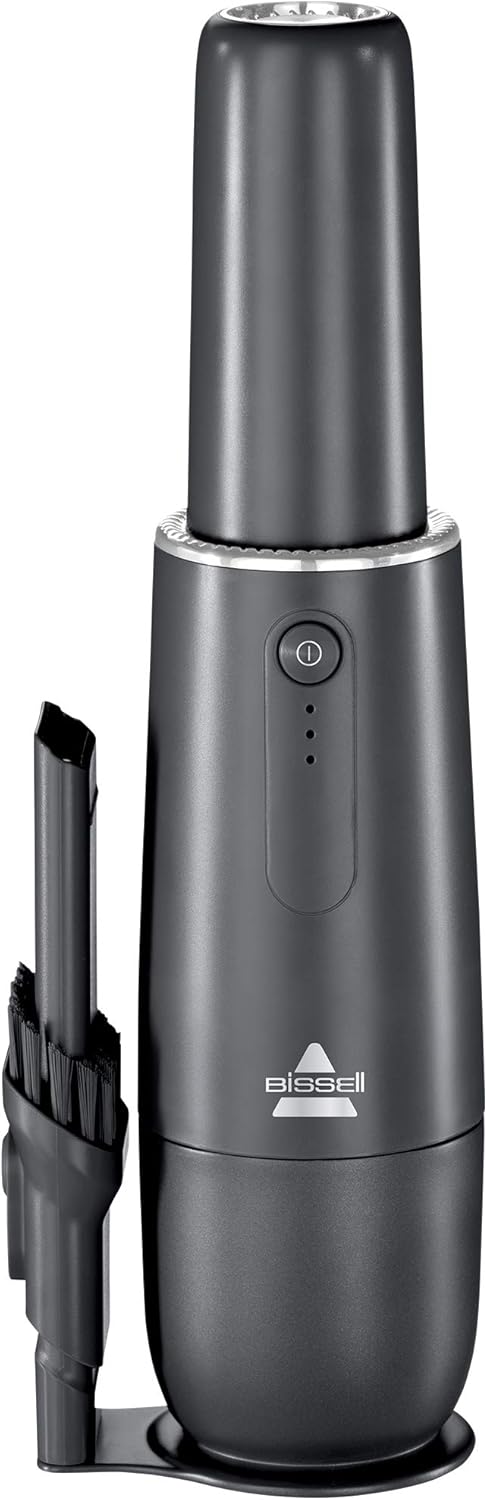
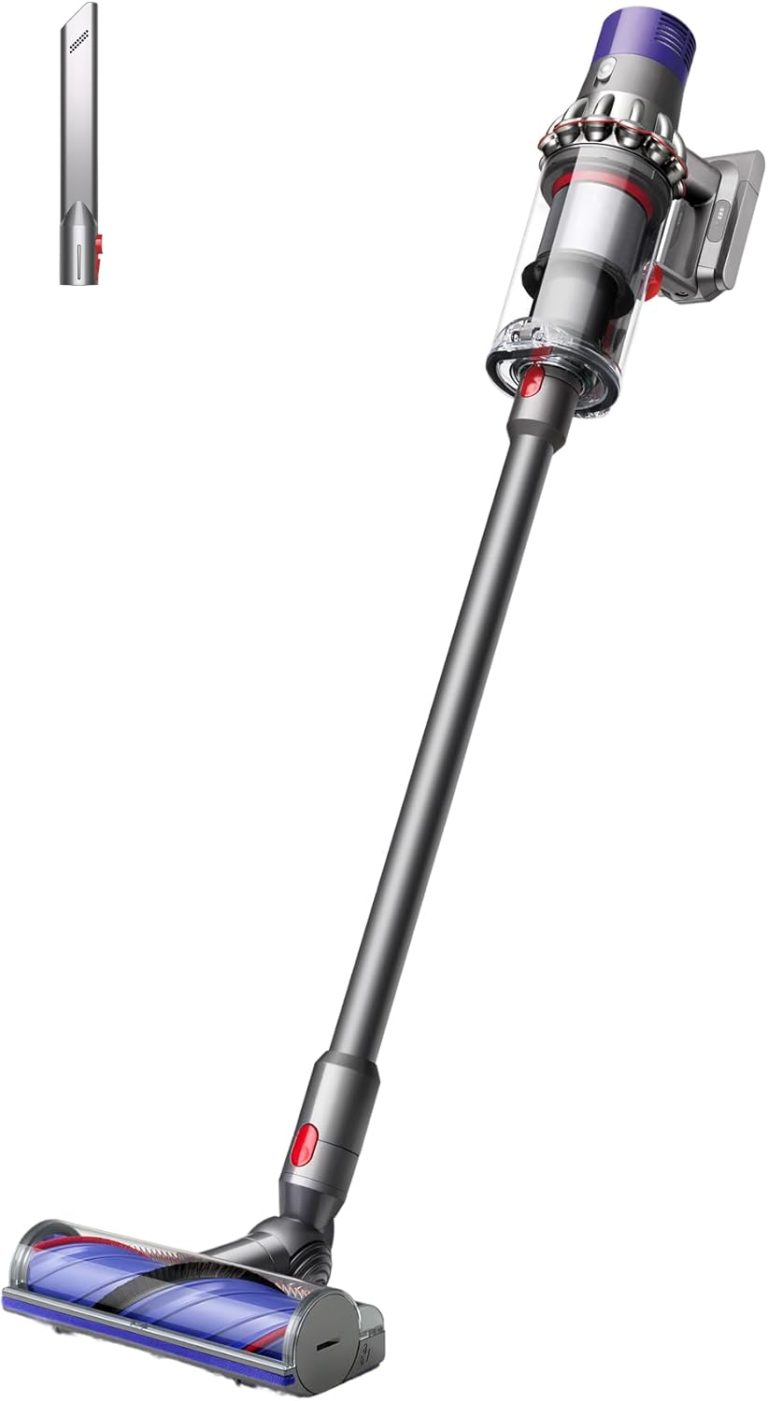
Stick vacuums, especially cordless models, tend to have a shorter lifespan. Batteries in cordless sticks typically last 3 to 5 years. The motors and overall construction are often less robust than upright or canister models. We generally see these lasting 4 to 6 years. Battery degradation is a major factor here.
Robot Vacuums
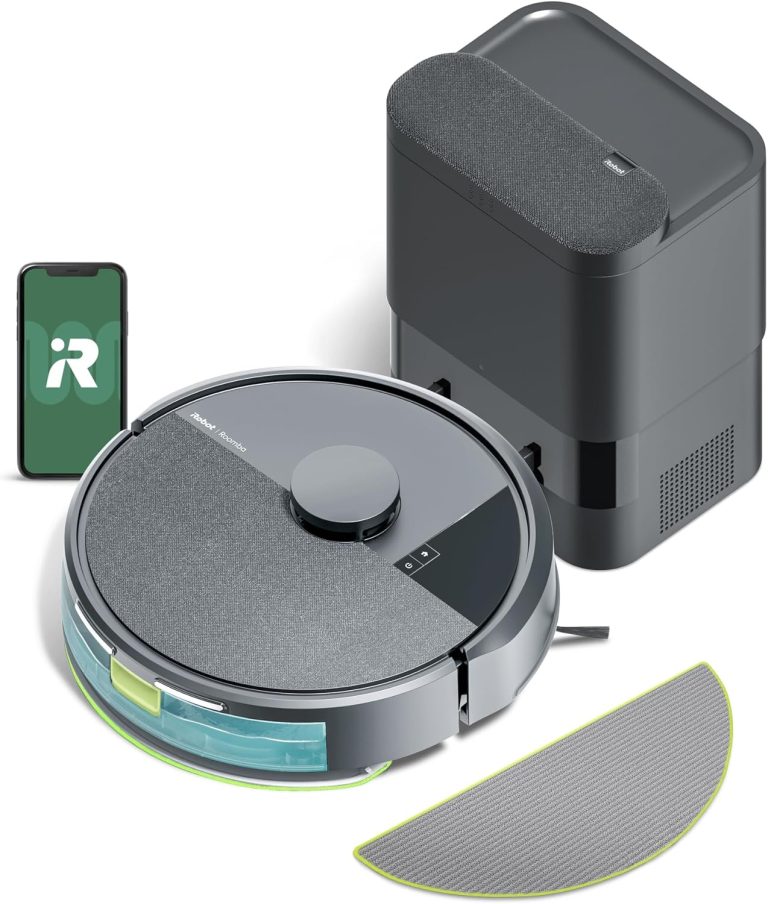
Robot vacuums are complex machines. Their lifespan is often limited by their electronics and batteries. Like cordless sticks, their batteries degrade. Most robot vacuums are expected to last 3 to 5 years. The sensors and navigation systems can also be prone to failure over time.
A Quick Checklist: Is It Time to Shop?
Here’s a handy list to help you decide:
- Lost Suction: Does it struggle to pick up dirt?
- Weird Noises: Is it suddenly much louder or making strange sounds?
- Smells: Do you notice burning or musty odors when using it?
- Physical Damage: Are there cracks, frayed cords, or worn-out brushes?
- Overheating: Does it shut off frequently due to heat?
- Outdated: Does it lack modern features or energy efficiency?
Conclusion
Your vacuum is a hard-working tool. Knowing when to replace it saves you effort. Look for signs like weak suction or strange noises. Physical damage and frequent overheating are also clear indicators. Different vacuum types have varying lifespans, with uprights and canisters generally lasting longer than sticks or robots. Don’t let an old, struggling vacuum make cleaning a chore. It’s time to start researching newer models that can make your home sparkle with less effort.
Frequently Asked Questions
How often should I deep clean my vacuum?
You should aim to deep clean your vacuum at least once every 1-2 months, depending on usage. This includes washing or replacing filters, cleaning out the brush roll, and checking hoses for clogs. Regular deep cleaning helps maintain suction power and extends your vacuum’s life.
Can a clogged filter really stop a vacuum from working?
Yes, a heavily clogged filter can severely impact your vacuum’s performance. It restricts airflow, leading to dramatically reduced suction power. It can also cause the vacuum to overheat as the motor works harder to pull air through the blockage. Always check and clean or replace your filters regularly.
Is it worth repairing an old vacuum or should I just buy a new one?
It often depends on the cost of repair versus the cost of a new vacuum, and the age of your current one. If repairs are extensive or your vacuum is nearing its typical lifespan, buying new might be more economical. Newer models also offer better efficiency and features.
Do cordless vacuums really have a shorter lifespan?
Generally, yes. The primary reason is battery life. Batteries in cordless vacuums degrade over time and typically need replacement within 3-5 years. The motors and overall construction might also be less robust compared to corded models, contributing to a shorter overall lifespan.
What are the best signs that my vacuum is just old and not broken?
If your vacuum still picks up dirt reasonably well but is becoming increasingly noisy, heavier, or lacks features you see on newer models, it’s likely just getting old. Outdated technology, like less efficient motors or older filtration systems, are signs it’s time for an upgrade, even if it’s still functional.