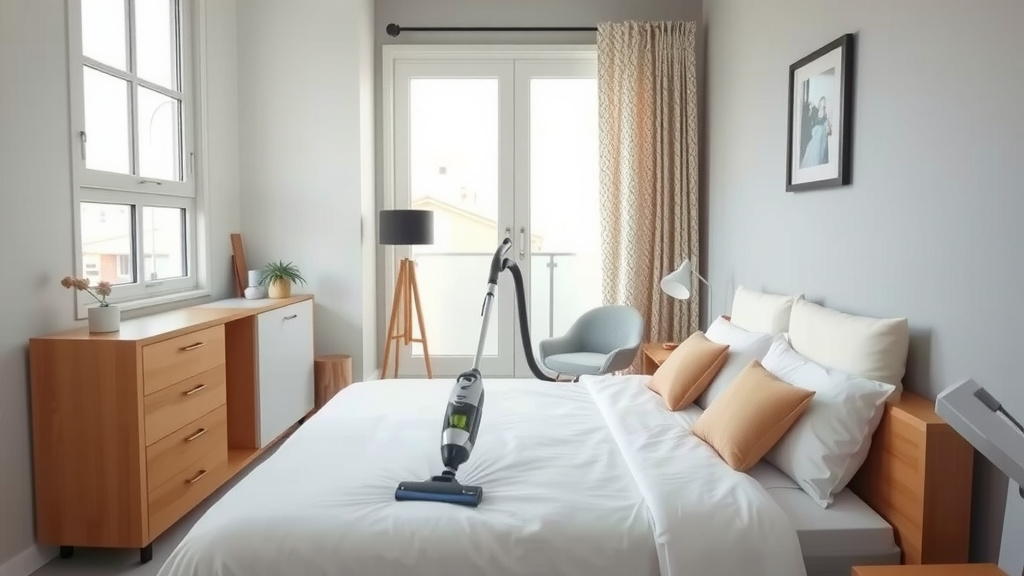
How Often Should You Vacuum Your Bedroom For Health
You should vacuum your bedroom at least once a week to keep it clean and healthy. This regular habit helps remove dust, allergens, and other debris that accumulate quickly. For allergy sufferers or homes with pets, twice a week is often recommended.
A clean bedroom floor contributes to better air quality and a more relaxing environment. Neglecting this simple task can lead to increased dust mite populations and contribute to respiratory issues. We found that consistent vacuuming makes a real difference in overall home cleanliness and well-being. Keeping your floors free from debris is key.
- How often to vacuum your bedroom: At least once a week.
- Consider twice a week if you have allergies or pets.
- Regular vacuuming improves air quality.
- It helps reduce dust mites and allergens.
Let’s break down why this frequency is important and what you can do to make vacuuming a breeze in your bedroom.
How Often Should You Really Vacuum Your Bedroom?
You might be wondering about the magic number for vacuuming your bedroom. The simple answer? Aim for at least once a week. This frequency helps keep your sleeping space clean and free from microscopic invaders. If you share your home with furry friends or battle seasonal sniffles, you might need to bump that up. Many experts suggest twice a week for those households.
Your bedroom is your sanctuary. It’s where you rest and recharge. Keeping its floors tidy plays a big role in that. Dust, pet dander, and other little bits can quickly settle. Vacuuming regularly removes these, contributing to better air quality. This small habit can make a surprising difference in your overall well-being. Let’s dive into why this matters so much.
The Unseen Guests Lurking on Your Floors
Think about what accumulates on your bedroom floor. It’s more than just visible dust bunnies. Tiny particles from your clothes, the outdoors, and even your skin shed constantly. Over time, these build up. They can become a feast for microscopic organisms like dust mites. These tiny creatures are a common trigger for allergies and asthma. They thrive in warm, humid environments, making your bed and carpets a prime location.
We found that neglecting vacuuming can lead to a significant increase in these allergens. For sensitive individuals, this means more sneezing, itchy eyes, and congestion. Even if you don’t have known allergies, cleaner air is simply better for everyone. It creates a more pleasant and restful atmosphere for sleep. A clean floor is like a fresh start for your room every week.
Dust Mites: The Tiny Tenants You Don’t Want
Dust mites are microscopic arachnids. They feed on dead skin cells shed by humans and pets. Their droppings contain proteins that can trigger allergic reactions. You can’t see them with the naked eye, but they are present in most homes. They especially love carpets, upholstery, and bedding.
Research indicates that frequent vacuuming significantly reduces dust mite populations. This is because vacuum cleaners, especially those with HEPA filters, can capture these tiny allergens. A good vacuuming session doesn’t just tidy up; it actively removes the source of much of the discomfort. It’s a key step in managing indoor allergies.
Pet Dander: A Common Bedroom Culprit
If you have pets, their dander is likely making its way onto your bedroom floors. Pet dander consists of tiny flecks of skin. It also includes saliva and urine proteins. These can become airborne and settle on surfaces. For many people, pet dander is a potent allergen.
Vacuuming your bedroom floor is essential for controlling pet dander. A powerful vacuum can suck up dander before it becomes airborne and inhaled. This is especially important if your pets are allowed in the bedroom. Many pet owners find that daily spot-cleaning in high-traffic areas, in addition to weekly vacuuming, makes a big difference.
Factors Influencing Your Vacuuming Frequency
While once a week is a solid baseline, your specific situation might call for more frequent cleaning. Several factors can influence this. It’s about tailoring the task to your needs and your home’s environment. Think of it like adjusting your diet based on your activity level. Your vacuuming schedule should be just as responsive.
Allergies and Asthma: A Higher Standard of Clean
If you or anyone in your household suffers from allergies or asthma, cleaning frequency is critical. For these individuals, exposure to allergens can lead to significant discomfort and health issues. Many allergy and asthma organizations recommend more frequent vacuuming in bedrooms. They emphasize the need to reduce triggers.
For those with severe allergies, vacuuming twice or even three times a week might be necessary. Using a vacuum cleaner with a HEPA (High-Efficiency Particulate Air) filter is also highly recommended. These filters trap even the smallest particles, preventing them from being recirculated into the air. We found that investing in a good quality vacuum with a HEPA filter can be a game-changer for allergy sufferers.
Pets in the Home: Double the Dander, Double the Effort?
Living with pets is wonderful, but it does mean more dander and potential allergens. Pet hair can also trap dust and other debris. If your pets spend time in your bedroom, or even if they don’t, their dander can still travel. This is why frequent vacuuming is key for pet owners.
Many pet owners find that a thorough vacuum of the bedroom at least twice a week is beneficial. Pay special attention to areas where pets frequently lie down, even if it’s not in the bedroom itself. The dander can easily be tracked around the house. Regular cleaning helps maintain a more comfortable and allergen-reduced environment for everyone.
High-Traffic Areas vs. Low-Traffic Zones
Consider how much foot traffic your bedroom floor gets. Is it a room everyone uses, or is it mostly for sleeping? High-traffic areas naturally accumulate more dirt and debris. This is especially true if you have kids or often bring things into the room. These areas might benefit from more frequent attention.
For instance, the path from the door to the bed or closet might get dirtier faster. You might not need to vacuum the entire room daily, but a quick sweep or vacuum of these specific spots can help. Think of it as preventative maintenance. It stops small messes from becoming big cleaning jobs. This keeps the overall dust level down between deeper cleans.

Making Vacuuming Your Bedroom Easier
We know that sometimes, the thought of vacuuming can feel like a chore. But with a few smart strategies, you can make it much more manageable. It’s about creating a routine that fits your lifestyle. Little tweaks can make a big difference in how easy it is to keep your floors clean.
Choosing the Right Vacuum Cleaner
The type of vacuum you use matters. Different vacuums are suited for different floor types and cleaning needs. For bedrooms, a lightweight and **easy-to-maneuver vacuum** is ideal. If you have carpets, a vacuum with good suction and a brush roll is important. For hard floors, consider one with adjustable settings or a soft brush.
As mentioned, if allergies are a concern, look for vacuums with a sealed system and a HEPA filter. This ensures that allergens are trapped inside the machine and not released back into the air. We found that many users report better results with vacuums designed for **allergen control**. It’s an investment in cleaner air.
Quick Clean-Up Tips
Don’t wait until the weekly vacuuming to tackle small messes. Keep a small dustpan and brush or a handheld vacuum handy for quick clean-ups. Spilled something? A few crumbs on the floor? A quick spot clean prevents them from getting ground into the carpet or spread around. This minimizes daily buildup.
Another tip is to declutter before you vacuum. Clear away clothes, shoes, and other items from the floor. This allows you to vacuum more effectively and prevents the vacuum from getting clogged. It also makes the whole process faster. Think of it as prepping the stage for a stellar cleaning performance.
The Checklist for a Cleaner Bedroom Floor:
- Schedule it: Put vacuuming on your weekly calendar.
- Declutter first: Remove items from the floor before you start.
- Use the right tool: Ensure your vacuum is suitable for your floors.
- Consider a HEPA filter: Especially important for allergy sufferers.
- Spot clean as needed: Tackle small spills and messes immediately.
- Empty your vacuum: A full vacuum is less effective.
Conclusion
You’ve learned that a clean bedroom floor is vital for your well-being. Aim to vacuum your bedroom at least once a week. If you have allergies or pets, bumping it up to twice a week can make a big difference. Regular vacuuming tackles dust mites and pet dander. It improves your air quality and creates a more restful space. You can make this task easier with the right vacuum and quick clean-up tips. Make vacuuming a consistent part of your routine for a healthier home environment. Your next step is to check your vacuum and schedule your next cleaning session.
Frequently Asked Questions
How often should I vacuum if I don’t have pets or allergies?
If your bedroom doesn’t have pets and no one suffers from allergies, vacuuming once a week is generally sufficient. This frequency helps maintain a baseline level of cleanliness. It keeps dust and everyday debris from accumulating too much. You’ll notice a cleaner feel and better air quality.
Is vacuuming twice a week really necessary for pet owners?
Yes, many pet owners find vacuuming twice a week makes a noticeable difference. Pets shed dander and can track in dirt. More frequent vacuuming helps control these allergens. It keeps your bedroom more comfortable and reduces airborne particles. This is especially true if your pets spend time in that room.
What type of vacuum cleaner is best for bedrooms?
For bedrooms, a lightweight and easy-to-maneuver vacuum is ideal. If you have carpets, look for good suction and a brush roll. For allergy sufferers, a vacuum with a HEPA filter is highly recommended. This traps tiny allergens effectively.
Can I just spot clean instead of vacuuming my bedroom floor?
Spot cleaning is great for immediate messes. However, it doesn’t replace regular vacuuming. Spot cleaning handles spills and visible debris. Vacuuming removes fine dust, allergens like dust mites, and pet dander. We found that a combination of both provides the best results.
How can I make vacuuming less of a chore?
To make vacuuming easier, declutter your floor first. Remove clothes, shoes, and other items. This speeds up the process and makes your vacuuming more effective. Keeping your vacuum cleaner well-maintained and emptying it regularly also helps. Scheduling it can make it feel less like an afterthought.

![7 Best Gravel Vacuum For Sand [2026]](https://bathroomexplorer.com/wp-content/uploads/2026/05/7-best-gravel-vacuum-for-sand-2026-featured-768x432.jpg)