Connect Vacuum Hose to Above Ground Pool: Easy Guide
Attaching your vacuum hose to an above ground pool is quite simple. You’ll typically need a vacuum head, your pool hose, and a skimmer adapter. Connecting these parts correctly ensures effective pool cleaning.
This process is key to keeping your pool water clean and free of debris. Many pool owners find it easier than they expect. Making sure you have the right pool vacuum accessories makes all the difference.
- Gather your vacuum head, hose, and skimmer adapter.
- Ensure all parts are clean and in good condition.
- Connect the hose securely to the vacuum head.
- Attach the skimmer adapter to your pool’s skimmer opening.
- Submerge the vacuum head and hose, then connect the hose to the adapter.
Let’s walk through exactly how to get your vacuum connected, step by step, so you can get back to enjoying a sparkling clean pool.
Connecting Your Above Ground Pool Vacuum Hose: A Simple Guide
Getting your vacuum hose hooked up to your above ground pool might seem like a puzzle. But really, it’s just a few simple steps. We’ve found that having the right tools and knowing the order makes all the difference. Let’s get your pool sparkling clean without any fuss!
Gathering Your Pool Vacuum Accessories
Before you can even think about cleaning, you need to make sure you have everything ready. This isn’t rocket science, just a quick check of your supplies.
The Essential Trio: What You Need
You’ll likely need three main things to get your vacuum system working. Think of them as your cleaning crew.
- Vacuum Head: This is the part that actually touches the pool floor, sucking up dirt.
- Pool Hose: This is your conduit, carrying the dirt from the vacuum head to the filter.
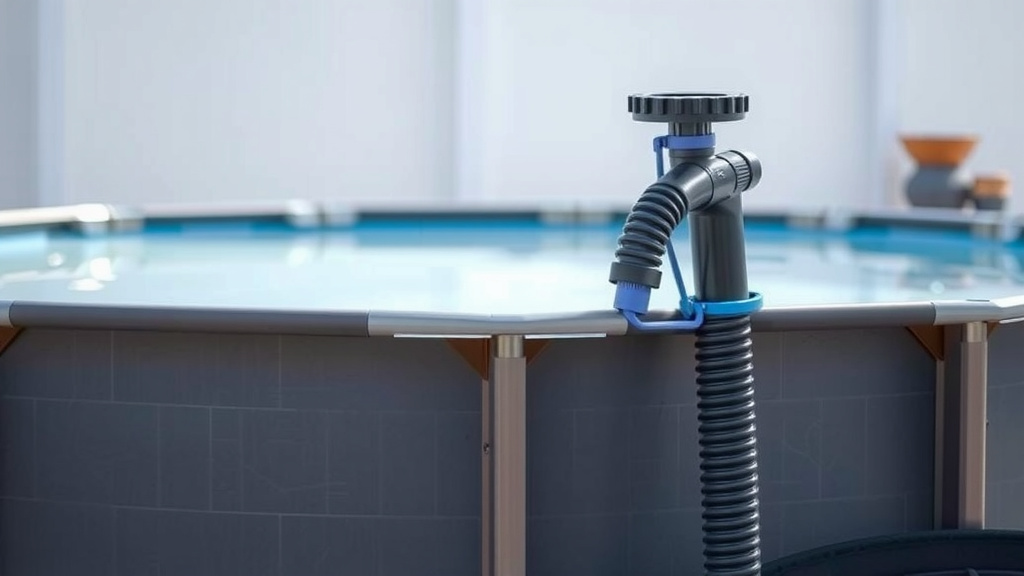
- Skimmer Adapter: This is the connector that fits into your pool’s skimmer.
Checking Your Gear for Peak Performance
It’s wise to give your equipment a quick once-over. Are the hose segments intact? Is the vacuum head free of cracks? Is the skimmer adapter clean and ready to go?
We found that using worn-out parts can really slow down your cleaning. A quick inspection saves you headaches later. Make sure all connections are snug but not forced.
Step-by-Step: Attaching the Hose to the Vacuum Head
This first connection is straightforward. You’re essentially creating the business end of your pool vacuum.
Securing the Hose to the Vacuum Head
Your vacuum head will have an opening where the hose attaches. Usually, it’s a simple push-and-twist or a clamp-on style connection. You want this to be a tight seal. If it’s loose, you might suck air instead of dirt.
Many hoses have a threaded end that screws into the vacuum head. Just turn it until it feels firm. Don’t overtighten, though; you don’t want to strip the threads. We found that a good, snug fit is all you need here.
The Skimmer Adapter: Your Bridge to the Filter System
This small but mighty piece is key to connecting your vacuum hose to your pool’s filtration system. It acts as the necessary gateway.
Understanding the Skimmer Adapter’s Role
Your pool’s skimmer is designed to collect surface debris. When you attach your vacuum hose to it, you’re using the pool’s pump to create suction. This suction pulls water and dirt through the hose and into the skimmer, where it’s then filtered out.
Choosing the Right Skimmer Adapter
Not all skimmer adapters are created equal. Most above ground pools use a standard-sized skimmer opening. However, some manufacturers might have proprietary designs. It’s best to check your pool manual or measure your skimmer opening if you’re unsure.
We found that the most common adapters are conical, meaning they taper to fit different sized openings. Just ensure the one you have is designed for above ground pool skimmers. You don’t want an adapter that’s too large or too small.
The Connection Process: Putting It All Together
Now it’s time to bring all these pieces together. Think of this as the grand finale of your setup.
Step 1: Submerge Your Vacuum Head and Hose
This is a common tip that many pool pros swear by. It’s much easier to connect the hose to the skimmer if it’s already filled with water. Go ahead and place your vacuum head on the pool floor. Then, slowly feed the hose into the water, allowing it to fill up. This prevents air from being pushed into your pool’s system, which can cause your pump to lose prime.
Step 2: Connecting the Hose to the Skimmer Adapter
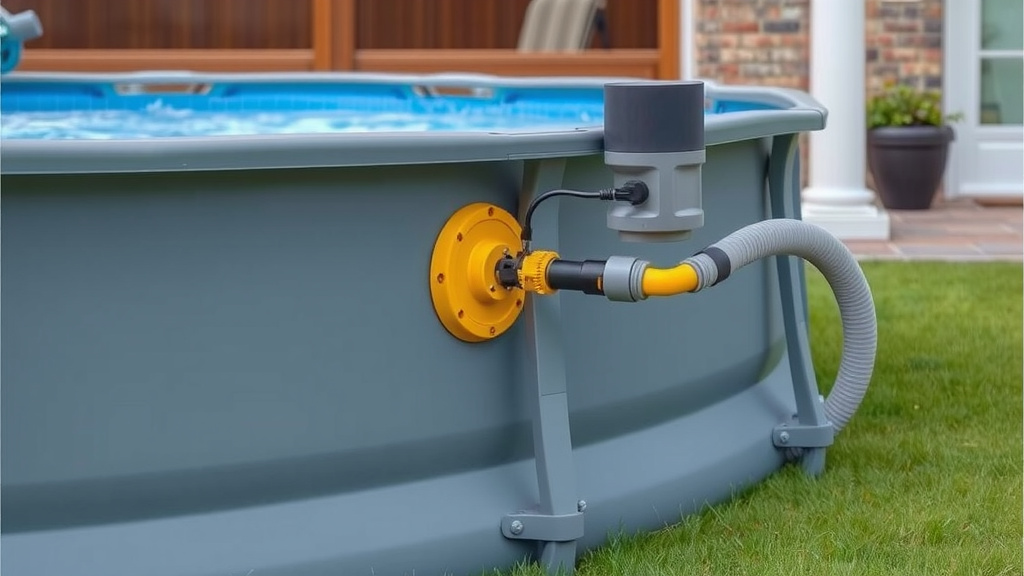
Once your hose is submerged and filled with water, you’ll connect the other end to the skimmer adapter. Most adapters simply rest inside the skimmer opening, and the hose connects to the top of the adapter. Again, you’re looking for a secure fit.
Step 3: Attaching the Skimmer Adapter to the Skimmer
Now, place the skimmer adapter into the skimmer opening. If it’s a snug fit, it might just stay in place. Some adapters come with a locking mechanism or a way to secure it to the skimmer basket. Ensure it’s not going to pop out while you’re vacuuming.
Step 4: Connecting the Vacuum Hose to the Adapter
Finally, take the end of your submerged pool hose and attach it to the skimmer adapter. This connection should be tight to prevent air leaks. If your adapter has a threaded port, screw the hose onto it. If it’s a push-fit, make sure it’s seated firmly.
We discovered that if you’re having trouble getting a good seal, a bit of plumber’s tape on threaded connections can sometimes help. But generally, a properly designed adapter and hose should create a sufficient seal without any extra aids.
Troubleshooting Common Connection Issues
Sometimes, things don’t go as smoothly as planned. Don’t worry, most problems are easily fixed.
When Suction is Weak
If you’re not getting enough suction, check these things first. Is the hose completely submerged and filled with water? Is the skimmer adapter seated properly in the skimmer? Are there any kinks in the vacuum hose? Also, check your pool filter; a clogged filter will severely reduce suction.
Air Leaks at the Skimmer
Air leaking into the system at the skimmer is a common annoyance. Make sure the skimmer adapter isn’t cracked and that it’s fully inserted. If your hose connection to the adapter is loose, it can also let air in. We found that ensuring the hose is securely attached to the adapter is often the solution here.
Quick Checklist for a Smooth Setup
Let’s recap the essentials to get you vacuuming in no time.
- Vacuum Head is ready and intact.
- Pool hose is long enough and free of holes.
- Skimmer adapter fits your pool’s skimmer.
- Hose securely attaches to the vacuum head.
- Hose is submerged and filled with water.
- Hose connects tightly to the skimmer adapter.
- Adapter is properly seated in the skimmer.
Conclusion
You’ve now got the knowledge to confidently connect your vacuum hose to your above ground pool. Remember, having the right accessories like the vacuum head, hose, and skimmer adapter is key. Taking a few moments to ensure a secure, watertight seal at each connection prevents headaches like air leaks and weak suction. This simple setup is your direct path to a cleaner, more enjoyable pool. Your next step? Gather your gear and get that pool sparkling!
Frequently Asked Questions
How do I know if my skimmer adapter will fit my above ground pool?
Most above ground pool skimmer adapters are designed to be universal, often with a conical shape. We suggest checking your pool’s manual or measuring the opening of your skimmer. If you have a non-standard skimmer, you might need to search for a specific adapter model.
Why is my pool pump losing prime after I connect the vacuum?
Losing prime usually means air is getting into your system. The most common cause is an unprimed hose. Always submerge your vacuum hose and let it fill with water before connecting it to the skimmer. Also, check for any loose connections where air could be entering.
Can I use a regular vacuum hose from my house for my pool?
No, you shouldn’t use a standard household vacuum hose. Pool vacuum hoses are made of flexible, durable materials designed to withstand constant submersion in chlorinated water. They also typically have specific fittings designed for pool equipment.
What’s the best way to remove the vacuum hose without getting air in the system?
To disconnect, first remove the hose from the skimmer adapter. You can then carefully lift the skimmer adapter out of the skimmer opening. Finally, pull the vacuum head and hose out of the pool. We’ve found that tilting the hose slightly as you pull it out can help minimize water loss.
My vacuum hose has kinks. How can I fix them?
Minor kinks can often be smoothed out by gently unrolling the hose and letting it sit in the sun for a while. For persistent or deep kinks, especially in older hoses, it might be time to consider replacing the hose. A kinked hose severely restricts water flow and reduces suction power.