
How Often to Vacuum with Cats: A Furry Friend Guide
As a cat owner, you might be wondering: how often should you vacuum with cats? The general recommendation is to vacuum your home at least once or twice a week if you have feline friends. This frequency helps manage shedding, dander, and those sneaky little litter box pellets that seem to multiply overnight. Consistent vacuuming keeps your home cleaner and can even improve air quality for everyone.
Cats bring so much joy, but they also bring fur, dander, and dust. If you’re struggling with pet hair clinging to your furniture or noticing more sneeze-worthy particles in the air, it’s time to ramp up your cleaning routine. Research shows that regular vacuuming is your best defense against allergens and keeps your living space a more comfortable environment for both you and your furry companion. It’s about finding a rhythm that works for your household.
- You should vacuum at least once or twice a week.
- More frequent vacuuming is needed for heavy shedders.
- Consider daily spot vacuuming for high-traffic pet areas.
- HEPA filter vacuums help trap allergens effectively.
- Regular cleaning reduces pet dander and keeps air fresh.
Let’s get into the nitty-gritty of how often you should be running that vacuum cleaner to keep your home fur-free and fresh.
How Often to Vacuum with Cats: A Deep Dive
So, you’ve got a furry friend shedding their way through your home. It’s a common, albeit sometimes hairy, part of cat ownership! But when it comes to keeping things clean, how often should you vacuum with cats? The short answer remains: at least once or twice a week. This general guideline is a fantastic starting point, but we’ll explore how to fine-tune it for your specific feline and living situation.
Factors Influencing Your Vacuuming Schedule
Your cat’s breed, age, and even the time of year can play a big role in how much fur you find on your floors. Think of it like a tiny, furry weather forecast! Some cats are professional shedders year-round, while others go through major molts. Understanding these patterns can help you adjust your vacuuming routine effectively.
The Shedding Spectrum: Understanding Your Cat’s Coat
Different breeds have different coats, and this directly impacts how much they shed. Long-haired cats, like Persians or Maine Coons, might leave a more visible trail of fur. Short-haired cats, such as Siamese or Abyssinians, can still shed quite a bit, though their fur might be finer and harder to spot until it accumulates. We found that cats with double coats, common in breeds like Norwegian Forest Cats, tend to shed more heavily, especially during seasonal changes.
Age and Health: A Factor in Fur Production
Kittens often shed their softer baby fur as they grow. Adult cats maintain their coat with regular grooming, but some shedding is normal. Older cats may shed more as their skin and coat health changes. If you notice a sudden, dramatic increase in shedding, it’s always a good idea to consult your veterinarian, as it could indicate an underlying health issue (Cornell Feline Health Center).
Seasonal Shedding: The Cat Coat Cycle
Many cats experience seasonal shedding, often ramping up in the spring and fall. This is their way of adjusting their coat for warmer or cooler weather. During these periods, you might find yourself vacuuming more frequently. A good rule of thumb? If you see more fur on your furniture or floors than usual, it’s probably time to up your vacuuming game by at least one extra session per week.
Beyond Fur: Other Reasons to Vacuum Regularly
While shedding is the most obvious reason to vacuum, it’s not the only one. Cat dander, tiny skin flakes that trigger allergies, can accumulate in carpets and on upholstery. Cat litter can also scatter tiny pellets and dust around their box area. Regular vacuuming helps tackle these less visible but equally important aspects of pet ownership.
Dander Control: A Breath of Fresh Air
Cat dander is a common allergen. These microscopic skin flakes get everywhere, including your air ducts and carpets. Vacuuming, especially with a good filter, helps remove this dander from your home, potentially reducing allergy symptoms for sensitive individuals. Guidelines from allergy organizations often recommend frequent vacuuming as a key strategy for managing pet dander (Asthma and Allergy Foundation of America).
Litter Box Logistics: Tackling Tracked Litter
It’s a mystery where those little litter pellets go! They seem to magically appear on floors far from the box. While some mats can help, a good vacuum cleaner is essential for cleaning up stray litter and dust. Frequent sweeping or vacuuming around the litter box area can make a big difference.
Tailoring Your Vacuuming Routine: A Practical Guide
Knowing your cat is only half the battle. Now, let’s talk about setting up a vacuuming routine that works for you. It’s not just about frequency, but also about where and how you vacuum.
The “Once or Twice a Week” Foundation
For most households with one or two cats that aren’t extreme shedders, vacuuming once or twice a week is sufficient. This covers your main living areas, bedrooms, and high-traffic zones. Make sure to get under furniture where dust bunnies and fur can gather.
When to Amp It Up: Heavy Shedders and Allergy Sufferers
If you have a heavy-shedding breed, multiple cats, or someone in your household suffers from pet allergies, you’ll want to vacuum more often. This could mean vacuuming three to four times a week, or even daily in very high-traffic pet areas. We found that using a vacuum with a HEPA filter can be particularly beneficial for allergy sufferers, as it traps smaller particles more effectively.
Spot Cleaning: Tackling Daily Fur Patrols
Even with a regular schedule, you might find yourself needing to do some quick spot cleaning. A cordless hand vacuum or a broom can be perfect for quickly cleaning up a patch of fur on the couch or stray litter near the door. Think of it as a mini-maintenance task that saves you from a bigger job later.
Choosing the Right Vacuum for Your Feline Friend
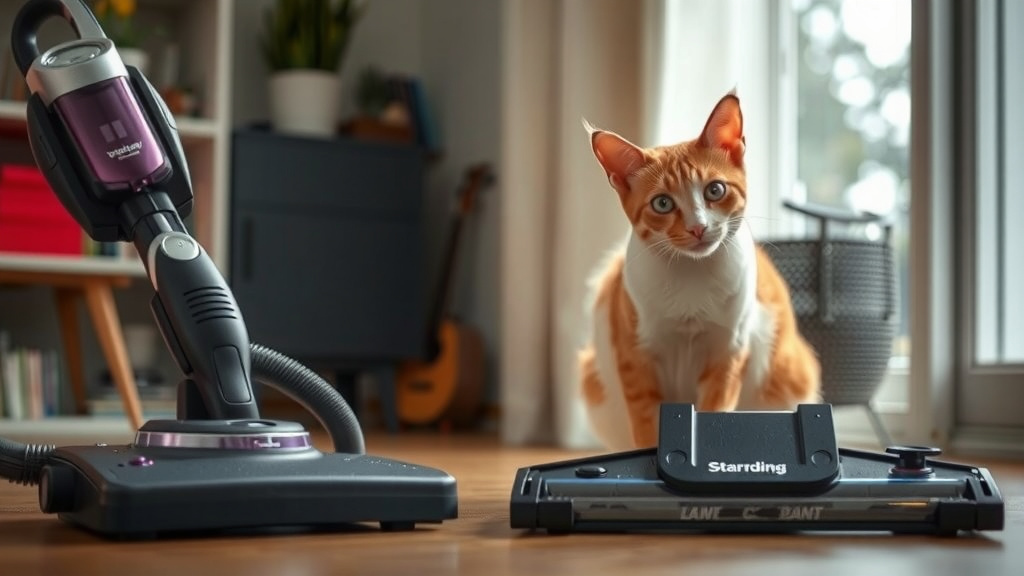
Not all vacuums are created equal, especially when dealing with pet hair. Investing in a vacuum designed for pet owners can make a world of difference. Look for strong suction power and attachments specifically designed to pick up pet hair from various surfaces.
Key Features to Look For
We’ve seen that vacuums with strong suction power are essential. Attachments like a motorized brush roll can be fantastic for upholstery. And as mentioned, a vacuum with a HEPA filter is a game-changer for allergy sufferers. A good bagless design can also make emptying the dustbin easier and more hygienic.
Upright, Canister, or Robot?
Each type has its pros and cons. Upright vacuums are powerful and good for large carpeted areas. Canister vacuums offer versatility with different attachments. Robot vacuums can be a lifesaver for daily maintenance, keeping fur levels down between deeper cleans. Many experts suggest a combination, like a robot for daily upkeep and a more powerful upright or canister for weekly deep cleans.
A Quick Checklist for Your Cat-Friendly Vacuuming Routine
Ready to get your vacuuming schedule in gear? Here’s a simple checklist to help you:
- Assess your cat’s shedding level: Are they a light, moderate, or heavy shedder?
- Consider allergy needs: Does anyone in the home have pet allergies?
- Factor in your lifestyle: How much time can you realistically dedicate each week?
- Target high-traffic areas: Focus on rooms where your cat spends the most time.
- Invest in the right tool: Ensure your vacuum is effective for pet hair.
- Stick to a schedule: Consistency is key to managing fur and dander.
Conclusion
Keeping your home clean with cats means finding a vacuuming routine that fits your life and your feline’s habits. Remember, vacuuming at least once or twice a week is a solid starting point. Pay attention to your cat’s shedding patterns, age, and any allergy concerns in your household. Don’t forget to tackle dander and tracked litter too! Investing in the right vacuum cleaner can make a big difference in your cleaning efforts. Your next step is to assess your current shedding situation and adjust your vacuuming schedule accordingly to enjoy a fresher, fur-free home.
Frequently Asked Questions
How often should I vacuum if my cat sheds a lot?
If your cat is a heavy shedder, you’ll likely need to vacuum more frequently than the general recommendation. Aim for three to four times a week, or even daily in the most heavily used areas of your home. Consistent vacuuming will be your best bet for managing the extra fur.
Does the type of cat breed affect how often I need to vacuum?
Yes, the breed can make a difference. Long-haired breeds or those with double coats often shed more, meaning you’ll probably need to vacuum more often. Short-haired cats can still shed significantly, so it’s always best to observe your cat’s individual shedding habits.
What’s the best vacuum for homes with cats?
Look for a vacuum with strong suction power and features designed for pet hair, like specialized brush rolls. A vacuum equipped with a HEPA filter is also highly recommended, especially if anyone in your home has allergies, as it effectively traps dander and fine particles.
How often should I vacuum if I have cat allergies?
If you or someone in your household has cat allergies, frequent vacuuming is essential. Consider vacuuming at least three times a week, focusing on areas where your cat spends the most time. Using a vacuum with a HEPA filter can significantly help reduce airborne allergens.
Can I just spot clean instead of a full vacuum session?
Spot cleaning is great for quick clean-ups, like a small patch of fur on the sofa or litter tracked near the box. However, it shouldn’t replace regular, thorough vacuuming. A full vacuum session is needed to capture dander and allergens from carpets and larger floor areas.
![7 Best Commercial Vacuum For Home Use [2026]](https://bathroomexplorer.com/wp-content/uploads/2026/05/7-best-commercial-vacuum-for-home-use-2026-featured-768x432.jpg)
![7 Best Hvac Vacuum Pump For The Money [2026]](https://bathroomexplorer.com/wp-content/uploads/2026/06/7-best-hvac-vacuum-pump-for-the-money-2026-featured-768x432.jpg)



![7 Best Handheld Vacuum For Pet Hair In Cars [2026]](https://bathroomexplorer.com/wp-content/uploads/2026/05/7-best-handheld-vacuum-for-pet-hair-in-cars-2026-featured-768x432.jpg)