How Often to Vacuum Your AC Drain Line
You should vacuum your AC drain line about once a year. This helps prevent clogs and keeps your system running smoothly. Many homeowners find that a yearly check-up is enough for most climates. It’s a simple step that can save you from bigger AC headaches later on.
An AC drain line is essentially your air conditioner’s way of getting rid of excess moisture. If it gets blocked, that water has nowhere to go. This can lead to water damage, mold growth, and even system failure. Keeping this line clear is a smart move for any homeowner.
- Vacuum your AC drain line at least once a year.
- This prevents common clogs and potential water damage.
- Look for signs of blockage like standing water or slow draining.
- Regular checks can save you from expensive AC repairs.
Let’s walk through why this is important and how often you really need to think about vacuuming that drain line.
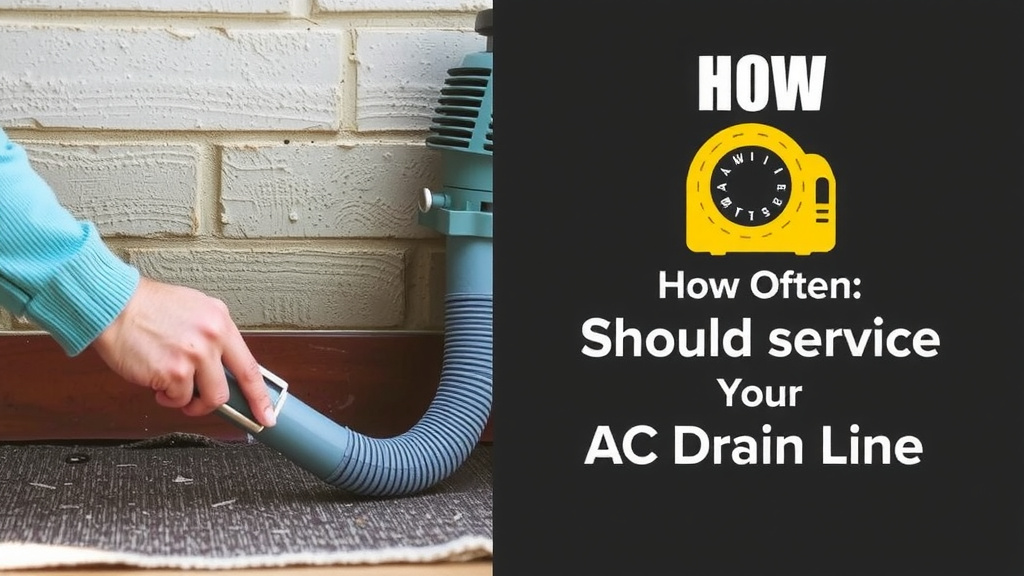
How Often to Service Your AC Drain Line
You should plan to vacuum your AC drain line about once a year. This simple maintenance task is key to preventing clogs. It also helps your air conditioner run at its best. For most homes, a yearly check is plenty.
Think of your AC drain line like a tiny plumbing system for your air conditioner. It removes moisture that builds up during the cooling process. If this line gets blocked, that water has to go somewhere. That’s where problems start.
Understanding AC Drain Line Issues
A clogged drain line can lead to a variety of issues. These range from minor annoyances to costly repairs. Knowing what can go wrong helps you understand why regular checks are so important.
Why Does the Drain Line Get Clogged?
The most common culprit is algae and slime. This gunk grows inside the drain line. It thrives in the dark, moist environment. Over time, it hardens and builds up. Dust and debris from your air filter can also get pulled into the line. This contributes to blockages.
Condensate pumps can also fail. If you have a pump to move the water away, it can get clogged or break down. This stops water from draining properly.
Signs of a Blocked Drain Line
Your AC might give you clues that its drain line is blocked. Keep an eye out for these common signs:
- Water pooling around your indoor unit. This is a big red flag. It means the water can’t get out.
- Your AC system is freezing up. A blocked drain can cause the evaporator coil to freeze.
- Musty or moldy smells. Stagnant water creates a perfect breeding ground for mold.
- Higher humidity levels in your home. Your AC is designed to dehumidify. If it can’t drain, it can’t do its job well.
- Your AC shuts off unexpectedly. Some systems have a safety float switch. This turns off the AC to prevent water damage if the drain pan fills up.
The Risks of Ignoring a Clogged Drain Line
Letting a clogged drain line go unchecked can be expensive. Water damage is a major concern. It can seep into your walls, floors, and ceilings. This can lead to structural damage and mold infestation. Mold remediation is often costly and time-consuming (CDC). Your AC unit itself could also be damaged. This could mean needing a new compressor or other expensive parts.
Determining the Right Vacuuming Frequency
While once a year is a good general guideline, some factors might mean you need to vacuum more often. Your specific home environment plays a big role.
Factors Influencing Drain Line Maintenance
Climate plays a role. Homes in very humid climates often run their AC more. This means more moisture is produced and drained. More moisture means a higher chance of slime and algae buildup. You might consider a twice-a-year check in these areas.
Air quality and filter habits are also important. If you have pets, live in a dusty area, or don’t change your air filter regularly, more debris can enter your system. This debris can make its way to the drain line. We found that homes with less frequent filter changes tend to experience more drain line issues.
The age and type of your AC system can matter. Older systems might be more prone to problems. Some systems have features designed to reduce clogs, while others don’t.
When to Vacuum More Frequently
If you notice any of the signs of a blockage mentioned earlier, it’s time to vacuum. Don’t wait for your annual check-up. It’s better to be safe than sorry. Consider vacuuming every 6 months if:
- You live in a consistently hot and humid region.
- You have pets that shed a lot.
- You have allergies and notice increased dust.
- You’ve experienced drain line clogs in the past.
Can You Vacuum Too Often?
It’s generally hard to vacuum an AC drain line *too* often. However, excessive poking and prodding could potentially cause damage. Sticking to a yearly or bi-yearly routine is usually sufficient. If you’re using a shop vac attachment, be gentle. The goal is to clear blockages, not to scrape the inside of the pipe.
A Simple Checklist for Drain Line Care
To keep your AC running smoothly, make these simple checks part of your routine. This checklist will help you remember the key maintenance steps.
- Annual Drain Line Vacuum: Schedule this for a time when your AC isn’t running constantly, like spring or fall.
- Check Air Filter Monthly: Replace or clean your air filter as recommended by the manufacturer. Dirty filters are a major cause of AC problems.
- Inspect for Leaks: Occasionally look around your indoor unit for any signs of water.
- Listen for Strange Noises: Your AC should run relatively quietly. Unusual sounds might indicate a problem.
- Note Humidity Levels: If your home feels unusually humid, investigate your AC’s drainage.
Conclusion
Taking care of your AC drain line is a simple yet vital part of home maintenance. You’ve learned that vacuuming it about once a year is the general rule of thumb. This habit helps prevent common clogs that can lead to water damage and costly repairs. However, your environment matters; humid climates or homes with pets might need more frequent checks, perhaps every six months. By staying aware of the signs of a blockage and incorporating drain line care into your routine, you ensure your AC runs efficiently and keeps your home comfortable. Your next step? Schedule that annual drain line vacuuming today!
Frequently Asked Questions
How can I tell if my AC drain line is clogged without vacuuming it?
Look for clear signs like water pooling around your indoor unit or your AC system freezing up. You might also notice musty smells or higher humidity levels in your home. Some AC systems will even shut off unexpectedly due to a safety float switch detecting a full drain pan.
What is the best tool for vacuuming an AC drain line?
A shop vac is typically the best tool for this job. You’ll want to use a hose attachment that fits snugly into the drain line opening. Be gentle when inserting the attachment to avoid damaging the pipe.
Can a clogged AC drain line cause mold?
Yes, absolutely. When water can’t drain properly, it sits stagnant in the drain pan and line. This damp, dark environment is a perfect breeding ground for mold and mildew, which can then spread into your home and air supply.
Should I vacuum my AC drain line after a hurricane or heavy rain?
While not directly related to vacuuming frequency, severe weather can sometimes impact your AC system. If you notice any unusual issues after a storm, like water backup or strange noises, it’s a good idea to inspect your drain line and consider vacuuming it if you suspect a blockage.
Is there a specific time of year that’s better for vacuuming the drain line?
Spring is often a great time to vacuum your AC drain line, right before you start using your air conditioning heavily for the summer. This ensures it’s clear and ready to handle the increased moisture. Fall is another good option, preparing the system for the cooler months.
![7 Best Mapping Robot Vacuum For Pet Hair [2026]](https://bathroomexplorer.com/wp-content/uploads/2026/06/7-best-mapping-robot-vacuum-for-pet-hair-2026-featured-768x432.jpg)

![7 Best Lightweight Vacuum For Elderly [2026]](https://bathroomexplorer.com/wp-content/uploads/2026/06/7-best-lightweight-vacuum-for-elderly-2026-featured-768x432.jpg)
![7 Best Cordless Vacuum For Elderly [2026]](https://bathroomexplorer.com/wp-content/uploads/2026/05/7-best-cordless-vacuum-for-elderly-2026-featured-768x432.jpg)