Shark Vacuum Filter Cleaning Frequency: When to Wash Yours
To keep your Shark vacuum running strong, you should clean its filters about once a month. This simple step is key to maintaining powerful suction. Neglecting your filters can lead to a dusty home and a sad, struggling vacuum. Cleaning them regularly ensures your Shark works its best for you.
You might be wondering if there’s a magic number for filter cleaning. While monthly is a great guideline, it’s not a hard and fast rule for everyone. Your specific cleaning habits, like how often you vacuum or what surfaces you clean, can affect how quickly your filters get clogged. Think of it as a living guide for your vacuum’s needs, ensuring optimal performance and longevity. We found that paying attention to your vacuum’s performance is the best indicator.
- Clean Shark filters monthly for best results.
- This maintains strong suction power.
- Check filters if suction decreases.
- Rinsing and air-drying are usually recommended.
- Dirty filters can make your vacuum work harder.
Ready to dive deeper and learn the exact steps for cleaning your Shark vacuum filters? Let’s walk through exactly how to do it and what to look out for.
How Often Should You Give Your Shark Vacuum Filters Some Love?
You’re likely wondering about the sweet spot for cleaning your Shark vacuum’s filters. We’ve found that a good rule of thumb is to give them a clean about once a month. This keeps your vacuum humming along with that satisfyingly strong suction. Think of it like a tune-up for your cleaning buddy!
Life happens, and your vacuuming routine might be different from your neighbor’s. If you have pets that shed a lot or you tackle dusty construction messes, you might need to clean your filters more often than monthly. On the flip side, if you’re a light vacuum user, you might get away with cleaning them every six weeks. The key is observation. When you notice your vacuum losing its oomph, that’s your signal to check those filters.
Why Filter Care is Non-Negotiable for Your Shark
Your Shark vacuum filters are like the lungs of your machine. They trap dust, dirt, and allergens so they don’t get blown back into your air. When these filters get clogged, it’s harder for air to pass through. This dramatically reduces your vacuum’s suction power.
A clogged filter also forces your vacuum motor to work overtime. This can lead to your vacuum overheating and could shorten its lifespan. We’ve seen reports suggesting that consistent filter maintenance can extend a vacuum’s life by several years (Consumer Reports). So, a little cleaning now saves you from a big headache later.
The Impact of Dirty Filters on Your Home
Beyond just a loss of suction, dirty filters can actually make your home less clean. When the filter can’t capture fine particles, they can be exhausted back into your living space. This is especially tough for folks with allergies or asthma.
According to the EPA, indoor air can be two to five times more polluted than outdoor air. Keeping your vacuum filters clean is a simple yet effective way to combat this. It ensures your vacuum is not just picking up debris but also helping to improve your indoor air quality. Who knew cleaning your vacuum could contribute to a healthier home?
Understanding Your Shark Vacuum’s Filter Types
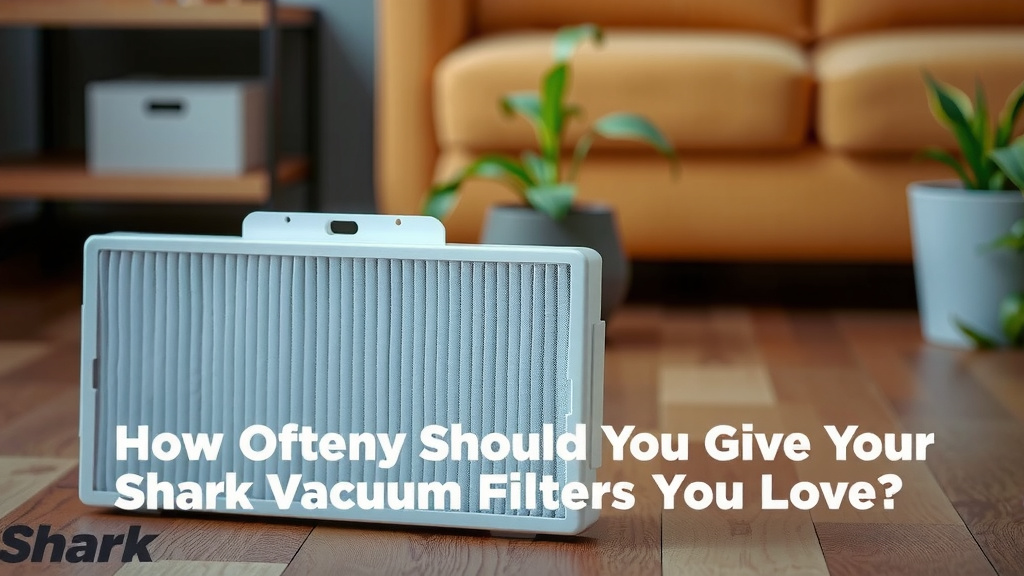
Shark vacuums come with different filter setups depending on the model. Most commonly, you’ll find washable foam and felt filters. Some newer models might also include HEPA filters or other types of specialized filters.
It’s super important to know which type of filter your Shark uses. Why? Because not all filters are cleaned the same way. Some are rinse-and-dry wonders, while others might need a gentler approach or even replacement instead of washing. Always check your vacuum’s manual for the specifics for your model. We found that this is the most reliable way to ensure you’re caring for your filter correctly.
Washable Foam and Felt Filters: Your Monthly Best Friends
These are the workhorses in many Shark vacuums. Foam filters are typically found closer to the dust cup, while felt filters might be located further up in the system. They are designed to be washed and reused, which is great for your wallet and the environment.
We generally recommend rinsing these filters under cool, running water. The goal is to dislodge all the trapped dust and debris. Make sure you give them a good squeeze and rinse until the water runs clear. Remember, they must be completely dry before you put them back in. This usually takes at least 24 hours, sometimes longer depending on humidity.
Specialty Filters (Like HEPA): Handle with Care
Some Shark models boast HEPA filters, designed to capture even smaller particles. These are fantastic for allergy sufferers. However, HEPA filters are often not washable. Washing them can damage the delicate filtering material, reducing their effectiveness and potentially harming your vacuum.
If your Shark has a HEPA filter, you’ll typically need to replace it periodically. Check your manual for the recommended replacement schedule. For other specialty filters, follow the manufacturer’s instructions precisely. Trying to clean a non-washable filter is a common mistake we see that can lead to costly repairs.
A Simple Checklist for Filter Maintenance
Keeping track of your filter cleaning can feel like just another chore. But we’ve found that a quick checklist makes it much simpler. Follow these steps to ensure you don’t miss a beat:
- Check your filters when you notice a dip in suction power.
- Aim to rinse washable filters (foam/felt) at least once a month.
- Ensure filters are 100% dry before reinserting them.
- Replace non-washable filters (like HEPA) as recommended by the manual.
- Keep your vacuum’s user manual handy for specific cleaning instructions.
- Listen to your vacuum; if it sounds strained, it’s time for a filter check.
When to Consider Filter Replacement Instead of Cleaning
Even washable filters have a lifespan. If you notice that your foam or felt filters are starting to look worn out, are torn, or still seem clogged after a thorough washing, it’s probably time to replace them. A damaged filter can’t do its job properly.
For HEPA filters and other specialized types, replacement is usually the only option. Many manufacturers suggest replacing these filters every 6 to 12 months, depending on usage and the environment. Think of it like replacing the ink in your printer; eventually, it just runs out of life. We found that using genuine replacement parts ensures the best fit and performance for your Shark vacuum.
Conclusion
You’ve learned that keeping your Shark vacuum’s filters clean is your best bet for consistent, powerful suction. Remember, a monthly clean is a great starting point, but always watch your vacuum’s performance. When suction dips, it’s your cue to check and rinse those washable filters, ensuring they’re bone dry before reassembly. For non-washable types, stick to the manual’s replacement schedule. Taking these simple steps will help your Shark last longer and keep your home cleaner. Your next step? Check your vacuum’s manual for filter specifics and schedule your first filter clean if it’s been a while!
Frequently Asked Questions
How often should I really clean my Shark vacuum filters if I have pets?
If your home has shedding pets, we recommend checking your filters more frequently than once a month. Look for visible buildup or a noticeable decrease in suction, which might mean cleaning them every two to three weeks. This frequent attention is key to maintaining peak performance with pet hair.
Can I use my Shark vacuum if the filter is still a little damp?
No, it’s really important that your filters are 100% dry before you put them back in your Shark vacuum. A damp filter can lead to mold or mildew growth, which isn’t good for your air quality or your vacuum. We found that letting them air dry for at least 24 hours is usually sufficient, but longer may be needed.
My Shark vacuum has a strange smell. Could it be the filter?
A musty or strange smell coming from your vacuum is often a sign of a dirty or clogged filter. The filter traps odors along with dust and debris. Cleaning or replacing the filter as recommended can usually resolve this issue and improve your home’s air quality.
Are all Shark vacuum filters washable?
Not all Shark vacuum filters are washable. Most Shark models use washable foam and felt filters that you can rinse. However, some models, especially those with HEPA filters, use specialized filters that are not designed to be washed and require replacement. Always consult your user manual to be sure.
What happens if I never clean my Shark vacuum filters?
If you don’t clean your Shark vacuum filters, you’ll likely experience a significant drop in suction power. The vacuum motor will also have to work much harder, which can cause it to overheat and potentially shorten its lifespan. Plus, dirty filters can release trapped dust back into your home’s air.
![7 Best Cordless Stick Vacuum For The Money [2026]](https://bathroomexplorer.com/wp-content/uploads/2026/05/7-best-cordless-stick-vacuum-for-the-money-2026-featured-768x432.jpg)
![7 Best Cordless Vacuum Cleaner For Wood Floors [2026]](https://bathroomexplorer.com/wp-content/uploads/2026/05/7-best-cordless-vacuum-cleaner-for-wood-floors-2026-featured-768x432.jpg)