
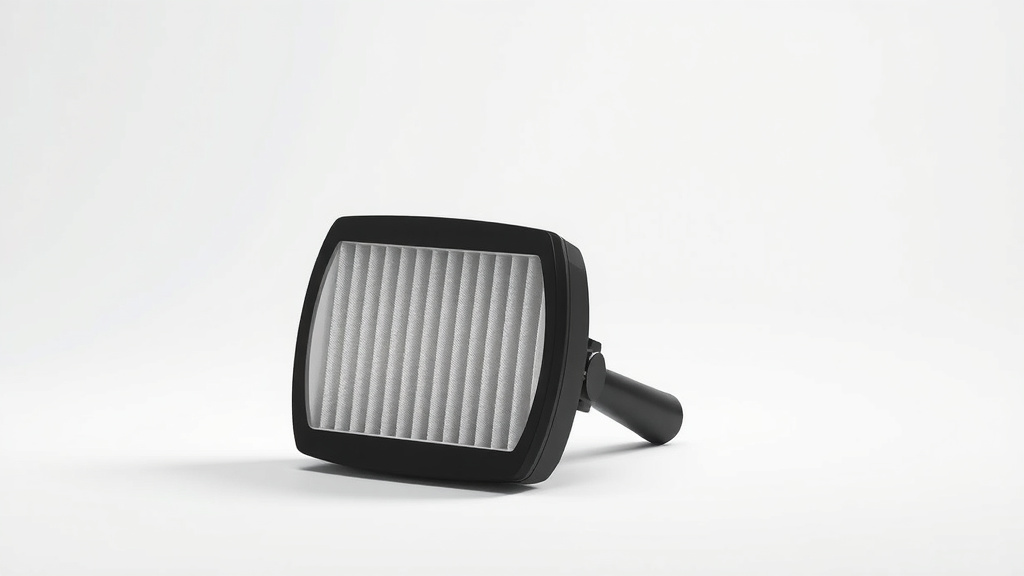
How Often to Clean Vacuum Filter for Peak Performance
You should clean your vacuum filter about once a month. This simple habit helps your vacuum work much better. A clean filter means stronger suction and a healthier home environment. Don’t let a clogged filter steal your vacuum’s power!
Ignoring your filter can lead to a few problems. Your vacuum might start to smell bad or lose its cleaning ability. Keeping your filter clean is a small step with big cleaning benefits. Many experts agree that regular filter maintenance is key for peak vacuum performance.
- Clean your vacuum filter monthly.
- This boosts suction power.
- It also prevents bad odors.
- Regular cleaning extends vacuum life.
- Check your manual for specific instructions.
Below, we’ll walk you through exactly how often you need to clean your specific vacuum filter, plus some tips for keeping it in top shape.
“`htmlUnderstanding Your Vacuum Filter’s Cleaning Schedule
Knowing when to clean your vacuum filter is more important than you might think. A dirty filter is like a clogged nose for your vacuum. It struggles to breathe, which means it can’t suck up dirt effectively. We found that cleaning your filter once a month is a great starting point for most vacuums.
This simple routine keeps your vacuum running smoothly. It ensures you get the best cleaning performance. It also helps maintain good air quality in your home. Let’s break down why this schedule works and how to fine-tune it for your specific needs.
Why Regular Filter Cleaning Matters
Suction Power: The Heart of Your Vacuum
The primary job of your vacuum is suction. When your filter gets clogged with dust and debris, it blocks the airflow. This directly reduces your vacuum’s suction power. Imagine trying to drink through a straw that’s partially blocked – it’s tough! A clean filter allows for maximum airflow, so your vacuum can powerfully pull in dirt and dust from your carpets and floors.
Air Quality: Breathing Easier at Home
Your vacuum filter doesn’t just trap dirt from your floor. It also captures fine dust particles and allergens from the air that passes through it. If the filter is overloaded, it can’t do this job well. Worse, some older or damaged filters can even release these particles back into the air. Regular cleaning ensures you’re not just cleaning your floors, but also improving your home’s air quality. The EPA suggests that maintaining HVAC filters can improve indoor air quality.
Vacuum Longevity: Protecting Your Investment
Running a vacuum with a clogged filter puts a strain on its motor. The motor has to work harder to pull air through the blockage. Over time, this can lead to overheating and premature wear and tear. Keeping your filter clean helps extend your vacuum’s lifespan. It’s like giving your vacuum a well-deserved break so it can keep performing for years to come.
Factors Affecting Your Cleaning Frequency
Type of Vacuum Filter
Not all filters are created equal. Some are washable, while others need to be replaced. Washable filters can usually be cleaned monthly. Non-washable filters often need replacement at different intervals, but checking and tapping them clean might be an option. We found that understanding your filter type is the first step.
Washable Filters
These are often made of foam or a synthetic material. You can typically rinse them under cool water. After washing, they need to air dry completely. This usually takes at least 24 hours. Cleaning them once a month is generally recommended. Some manufacturers suggest every 2-3 months, so always check your manual.
HEPA Filters
High-Efficiency Particulate Air (HEPA) filters are designed to trap very small particles. Many vacuums use them. While some HEPA filters are washable, many are not. Non-washable HEPA filters should usually be replaced rather than cleaned. If yours is washable, follow the manufacturer’s instructions carefully. Cleaning them too aggressively could damage the filter. You might tap them gently to remove loose dust. Many experts say to check HEPA filters every few weeks.
Cartridge Filters
These are common in canister vacuums and shop vacs. They often look like pleated paper or fabric cylinders. You can usually remove them and tap them against a trash can to dislodge debris. We found that cleaning these every 1-3 months is typical. They are not typically washed.
Usage Habits: How Much is Too Much?
Your cleaning frequency depends heavily on how often you use your vacuum and what you’re cleaning. If you have pets that shed a lot, or if you clean up sawdust from DIY projects, your filter will clog much faster. Daily use in a busy household means you’ll need to clean it more often than someone who vacuums once a week. Think of it like laundry: more clothes, more washing. We found that heavy use calls for more frequent checks.
- Daily Use: Check your filter every 2-3 weeks.
- Weekly Use: Aim for a clean filter every month.
- Occasional Use: A clean filter every 2 months might suffice.
Home Environment: Allergens and Debris
Do you or anyone in your home suffer from allergies or asthma? If so, keeping your filter clean is even more critical. A dirty filter can recirculate allergens like pollen, dust mites, and pet dander. For homes with pets, you’ll likely need to clean filters more often. Many health organizations stress the importance of clean air filters for allergy sufferers.
A Simple Filter Cleaning Checklist
Here’s a quick guide to help you remember when to give your vacuum filter some TLC:
- Check your vacuum’s manual for specific filter cleaning instructions.
- Inspect your filter visually about once a month.
- If it looks visibly dirty or clogged, it’s time to clean or replace it.
- After cleaning a washable filter, ensure it’s completely dry before reinserting.
- Consider cleaning more often if you have pets or allergies.
- Replace non-washable filters according to manufacturer guidelines.
By following these guidelines, you’ll ensure your vacuum works at its best, keeping your home cleaner and healthier. It’s a small task that makes a big difference in your cleaning routine!
“`Conclusion
You’ve learned that cleaning your vacuum filter monthly is a fantastic habit. It directly impacts your vacuum’s suction power and the air quality in your home. Remember, how often you clean also depends on your filter type and how much you use your vacuum. For pet owners or those with allergies, more frequent checks are a smart move. Make it a point to visually inspect your filter each month. If it looks dirty, it’s time for a clean or replacement. This simple upkeep ensures your vacuum works efficiently for years to come, making your cleaning efforts more effective.
Frequently Asked Questions
How do I know if my vacuum filter needs cleaning?
Visually inspect your filter monthly. If it appears covered in dust, debris, or looks grey and clogged, it’s likely time for a clean. You might also notice a decrease in your vacuum’s suction power.
Can I wash my vacuum filter every time?
Not all filters are washable. Foam and some synthetic filters can be rinsed, but HEPA and paper cartridge filters usually cannot. Always check your vacuum’s manual to confirm your filter type and cleaning method.
What happens if I never clean my vacuum filter?
Never cleaning your filter will severely reduce suction power. It can also cause your vacuum to overheat and shorten its lifespan. Additionally, a clogged filter may start recirculating dust and allergens back into your home’s air.
Should I clean my vacuum filter more often if I have pets?
Yes, absolutely. Pet dander, hair, and dirt from outdoor paws will clog your filter much faster. We recommend checking and cleaning your filter every 2-3 weeks if you have pets.
How long does it take for a washable filter to dry?
Washable filters need to air dry completely to prevent mold and damage to your vacuum. This usually takes at least 24 hours, and sometimes up to 48 hours, depending on humidity.
![7 Best Electrolux Vacuum For Pet Hair [2026]](https://bathroomexplorer.com/wp-content/uploads/2026/05/7-best-electrolux-vacuum-for-pet-hair-2026-featured-768x432.jpg)
![7 Best Cordless Vacuum Cleaner For Wood Floors [2026]](https://bathroomexplorer.com/wp-content/uploads/2026/05/7-best-cordless-vacuum-cleaner-for-wood-floors-2026-featured-768x432.jpg)
![7 Best Cordless Vacuum For Deep Pile Carpet [2026]](https://bathroomexplorer.com/wp-content/uploads/2026/05/7-best-cordless-vacuum-for-deep-pile-carpet-2026-featured-768x432.jpg)
![7 Best Handheld Vacuum For Bed Bugs [2026]](https://bathroomexplorer.com/wp-content/uploads/2026/05/7-best-handheld-vacuum-for-bed-bugs-2026-featured-768x432.jpg)