How Often Should You Vacuum Your Couch For Best Results
You should vacuum your couch about once a week to keep it fresh and free of allergens. If you have pets or kids, you might want to do it twice a week. This simple step helps remove dust, crumbs, pet dander, and other debris. It’s a quick way to maintain a cleaner living space.
Your couch is a hotspot for germs and tiny particles. Dust mites love to hang out in upholstery. Regular vacuuming helps reduce allergens and keeps your furniture looking its best. Think of it as a quick refresh for your favorite hangout spot. It’s much easier than a deep clean!
- Vacuum your couch weekly for best results.
- Increase to twice a week with pets or kids.
- Removes dust, crumbs, and allergens.
- Helps keep your furniture looking fresh.
- A simple step for a cleaner home.
Let’s walk through exactly why and how often you should be giving your couch some vacuum love.
How Often Should You Really Vacuum Your Couch?
Figuring out the ideal vacuuming schedule for your couch is key. Most experts suggest a weekly vacuum for a typical household. This helps keep everyday dust and debris under control. It’s a simple habit that makes a big difference in your home’s cleanliness.
Think of your couch as a magnet for life’s little messes. Crumbs from snacks, pet hair, stray threads – they all find a way in. Regular vacuuming prevents these from building up. This is especially true for dust mites, tiny creatures that thrive in upholstery. Reducing their population is good for air quality.
Factors That Influence Your Vacuuming Frequency
While weekly is a good baseline, some situations call for more frequent attention. Your lifestyle plays a big role in how often your couch needs a good vacuuming. Let’s look at what might push you to grab the vacuum more often.
Pets in the House
If you share your home with furry friends, you’ll likely need to vacuum your couch more often. Pets shed hair and dander constantly. This can build up quickly on upholstery. Many pet owners find that vacuuming their couch every few days is necessary. This helps manage shedding and reduces allergens.
Children and Frequent Use
Do you have little ones who love to eat, play, or nap on the couch? If so, more frequent vacuuming is a good idea. Kids can bring in dirt from outside. They also tend to drop crumbs and spill drinks. A quick vacuum every 3-4 days can keep things tidy. It prevents sticky spots and reduces the general grime.
Allergies and Asthma Concerns
For individuals with allergies or asthma, a cleaner couch is a healthier couch. Dust mites and pet dander are common triggers for allergy symptoms. Reducing these allergens is important. Vacuuming at least twice a week can significantly lower the presence of these irritants. This is supported by allergy organizations like the Asthma and Allergy Foundation of America.
Lifestyle and Activity Level
Consider how much your couch is used. Is it the main hangout spot for your family? Do you entertain guests often? High-traffic couches accumulate dirt and debris faster. If your couch sees a lot of action, aim for a weekly vacuuming. For lighter use, every other week might suffice, but weekly is generally best practice.
The Undeniable Benefits of Regular Couch Vacuuming
Beyond just looking tidier, vacuuming your couch offers several tangible benefits. It’s more than just a chore; it’s an investment in your home’s health and your furniture’s lifespan.
Reducing Dust Mites and Allergens
Dust mites are microscopic organisms that live in household dust. They feed on dead skin cells. Upholstered furniture, like couches, is a prime breeding ground for them. Vacuuming regularly removes dust mites and their droppings. This can lead to fewer allergy symptoms and a healthier indoor environment (National Institute of Environmental Health Sciences).
Removing Crumbs and Food Debris
We all snack on the couch sometimes! Those stray crumbs and food particles can attract pests. They can also become embedded in the fabric. Vacuuming gets rid of this unwanted debris. It keeps your couch hygienic and less appealing to insects or rodents.
Extending the Life of Your Upholstery
Dirt and grit can act like sandpaper on fabric over time. As you sit and move, these particles rub against the fibers. This causes wear and tear. Regular vacuuming removes these abrasive particles. It helps maintain the texture and appearance of your couch. This means your furniture will look newer for longer.
Freshening Up Your Living Space
A clean couch contributes to an overall fresh-smelling room. Body oils, spills, and general use can leave odors. Vacuuming helps lift these away. It’s a simple step that can make your entire living area feel more inviting.
Your Couch Vacuuming Checklist
Ready to get your couch into a cleaning routine? Here’s a quick checklist to help you stay on track:
- Assess your household needs: Do you have pets or kids? Are there allergy sufferers?
- Set a primary schedule: Aim for a weekly vacuum as your default.
- Adjust for special circumstances: Increase frequency to every few days if needed (pets, kids, high use).
- Gather the right tools: Ensure your vacuum has an upholstery attachment.
- Don’t forget crevices: Pay attention to seams and under cushions.
- Make it a habit: Link it to another weekly chore, like dusting or laundry.
Choosing the Right Vacuum Attachments
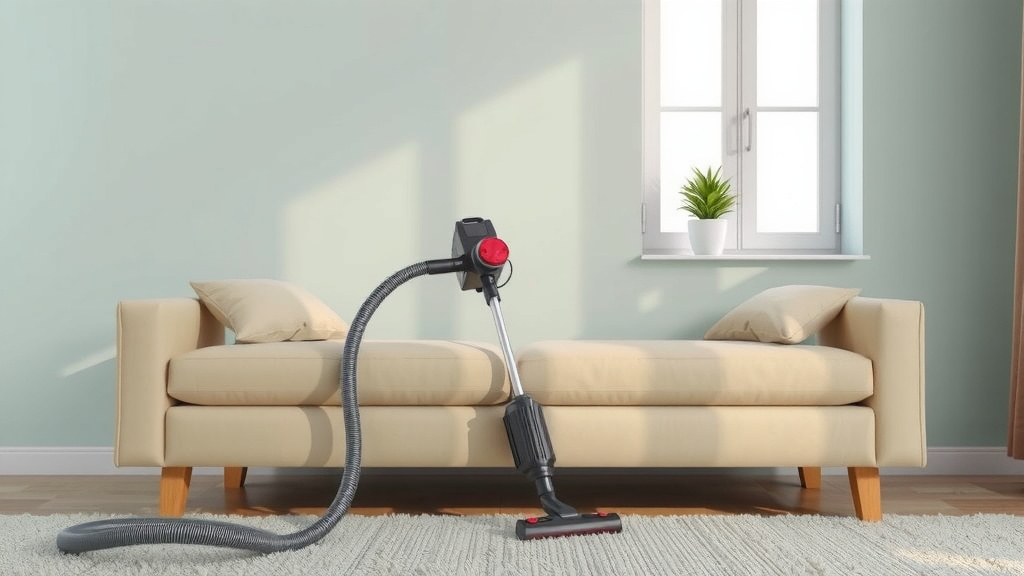
Using the correct attachments makes a huge difference. Most vacuums come with a few options. For your couch, you’ll want the upholstery tool. This is usually a wider attachment with a fabric strip. It’s designed to lift dirt without damaging the fabric. Some vacuums also have a crevice tool. This is perfect for getting into those tight seams where crumbs love to hide.
A Quick Table: How Often to Vacuum Based on Your Household
Here’s a simple guide to help you decide:
| Household Type | Recommended Frequency | Why? |
|---|---|---|
| No Pets, No Kids, Low Use | Every 1-2 Weeks | Maintains basic cleanliness. |
| No Pets, Young Kids, Moderate Use | Weekly | Handles frequent crumbs and dirt. |
| With Pets (any kind) | Every 2-3 Days | Manages shedding and dander effectively. |
| With Kids & Pets, High Use | Daily or Every Other Day | Keeps allergens and messes in check. |
| Allergy/Asthma Sufferers | Twice Weekly (minimum) | Reduces dust mites and triggers. |
Conclusion
You’ve learned why a clean couch matters. Regular vacuuming combats dust mites and allergens. It keeps your upholstery looking great. It also extends the life of your furniture. For most homes, vacuuming your couch weekly is the sweet spot. If pets or kids are around, aim for every few days. If allergies are a concern, twice a week is a good goal. Make vacuuming a simple habit. Your couch and your health will thank you for it!
Frequently Asked Questions
How do I know if my couch needs vacuuming?
Look for visible dust, crumbs, or pet hair on the surface. If you notice a slight musty odor or increased allergy symptoms in your living room, it’s likely time. Even if it looks clean, vacuuming helps remove unseen dust mites and dander.
Can I use my regular vacuum cleaner on my couch?
Yes, most standard vacuum cleaners can be used on couches. The key is to use the right attachment. Always opt for the upholstery tool or a soft brush attachment. Avoid using the main floor head directly on fabric, as it can be too abrasive.
What’s the best way to vacuum couch cushions?
Start by removing the cushions from the couch frame. Vacuum both sides of each cushion thoroughly. Then, use a crevice tool to get into the seams and between the cushions. Don’t forget to vacuum the couch frame itself where the cushions sit.
How often should I vacuum if I have allergies?
If you suffer from allergies or asthma, vacuuming your couch at least twice a week is highly recommended. This frequent cleaning helps significantly reduce the buildup of dust mites, pet dander, and other common allergens that can trigger symptoms.
Will vacuuming damage my couch fabric?
When done correctly with the right attachments, vacuuming should not damage your couch fabric. Always use the upholstery tool or a soft brush attachment. Vacuum gently in the direction of the fabric weave. If you have delicate upholstery, test a small, inconspicuous area first.

![7 Best Carpet Cleaner Vacuum For Dog Urine [2026]](https://bathroomexplorer.com/wp-content/uploads/2026/05/7-best-carpet-cleaner-vacuum-for-dog-urine-2026-featured-768x432.jpg)
![7 Best Face Vacuum For Blackheads [2026]](https://bathroomexplorer.com/wp-content/uploads/2026/05/7-best-face-vacuum-for-blackheads-2026-featured-768x432.jpg)