How Often Should You Vacuum Your Dryer Vent
You should vacuum your dryer vent at least once a year. Many experts recommend doing it even more often, perhaps twice a year, to keep your dryer running efficiently. This simple task helps prevent fires and keeps your clothes drying faster.
A clogged dryer vent isn’t just an inconvenience. It can actually be a fire hazard. Lint buildup restricts airflow, making your dryer work harder and get hotter than it should. We found that regular cleaning also improves drying times significantly.
- Vacuum your dryer vent at least once a year.
- Consider cleaning it every six months for best results.
- This helps prevent dangerous dryer fires.
- It also makes your dryer more efficient.
- Clean vents mean faster drying clothes.
Let’s walk through exactly how to tackle this important chore and keep your laundry room safe and sound.
How Often Should You Really Clean Your Dryer Vent?
Understanding the ideal frequency for vacuuming your dryer vent is key. We found that most experts recommend cleaning it at least once a year. Think of it like changing the oil in your car. Regular maintenance keeps things running smoothly.
For many households, cleaning your dryer vent every six months is an even better goal. This proactive approach offers maximum benefits. It dramatically reduces the risk of dryer fires and keeps your machine working at its peak. This is especially true if you do a lot of laundry.
Why Regular Dryer Vent Cleaning Matters So Much
You might be wondering what could possibly go wrong with a little bit of lint. It turns out, a lot can! Lint is highly flammable. When it builds up in your dryer vent, it creates a serious fire hazard. The U.S. Fire Administration reports that clothes dryers are responsible for hundreds of fires each year, with clogged vents being a leading cause.
Beyond the safety concerns, a clogged vent means your dryer has to work much harder. This leads to longer drying times for your clothes. You’ll likely notice your clothes are still damp even after a full cycle. This wasted energy and time adds up. Cleaning the vent is a simple fix.
Understanding Dryer Vent Blockages
Your dryer vent’s primary job is to expel hot, moist air and lint away from your home. When lint accumulates, it obstructs this airflow. This obstruction forces your dryer to run hotter and longer than it should. Imagine trying to breathe through a straw clogged with cotton balls – it’s not efficient!
This restriction can lead to several problems:
- Increased fire risk: The excessive heat can ignite the trapped lint.
- Energy waste: Your dryer consumes more electricity or gas.
- Wear and tear: The motor and heating element are put under extra strain.
- Longer drying cycles: Your laundry takes longer to get dry.
- Potential mold or mildew: Trapped moisture can create a damp environment.
Signs Your Dryer Vent Needs Cleaning
How can you tell if your vent is getting choked up? Look for these tell-tale signs:
- Your clothes take much longer than usual to dry.
- The outside of your dryer feels hotter than normal during operation.
- The laundry room feels unusually humid after a drying cycle.
- You notice a burning smell coming from the dryer area.
- There’s a significant amount of lint visible around the dryer door or vent opening.
If you’re experiencing any of these, don’t delay! It’s time to grab your vacuum and get cleaning.
Factors That Influence Cleaning Frequency
While once a year is a good baseline, some factors mean you should clean your vent more often. Consider your household’s laundry habits and your dryer setup. These can all impact how quickly lint builds up.
Household Laundry Habits
Do you have a large family that generates a mountain of laundry each week? If so, your dryer is working overtime. Households with frequent dryer use will need to clean their vents more often. We found that families doing laundry daily or multiple times a day should aim for cleaning every three to six months.
Even if you don’t have a huge family, certain fabrics produce more lint. Think towels, fleece, and athletic wear. If you wash these items regularly, you might need to clean your vent more frequently.
Dryer Type and Venting System
The type of dryer you have can also play a role. Electric dryers tend to produce more lint than gas dryers. Additionally, the length and complexity of your vent system matter. Vents that are longer than 25 feet, or have multiple bends and turns, are more prone to blockages.
The material of your vent hose is another consideration. Flexible plastic or foil vents are more easily crushed or kinked than rigid metal vents. This can restrict airflow and trap lint. Research suggests rigid metal vents are the safest and most efficient option (Consumer Product Safety Commission).
| Usage Level | Recommended Cleaning Frequency | Notes |
|---|---|---|
| Light Use (1-2 loads/week) | Once a year | Focus on seasonal cleaning. |
| Moderate Use (3-5 loads/week) | Every 6-9 months | Consider spring and fall cleaning. |
| Heavy Use (6+ loads/week) | Every 3-6 months | More frequent checks are beneficial. |
| Long/Complex Vent | Every 6 months, regardless of use | Increased potential for buildup. |
The Simple Process of Vacuuming Your Dryer Vent
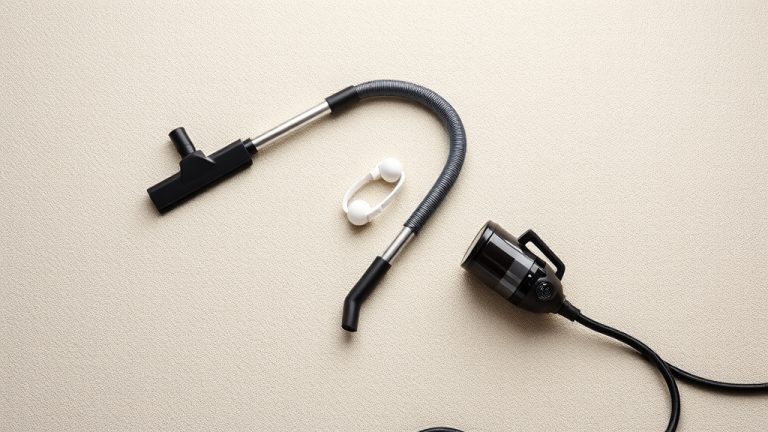
You don’t need to be a professional to tackle this chore. With a few basic tools and a little time, you can keep your vent clear. Most vacuums come with a hose attachment that’s perfect for this job. If you have a longer vent, a specialized dryer vent cleaning kit can be very helpful.
Step-by-Step Vacuuming Guide
Ready to give it a try? Here’s a straightforward way to vacuum your dryer vent:
- Unplug your dryer. Safety first! Always disconnect power before working on your appliance.
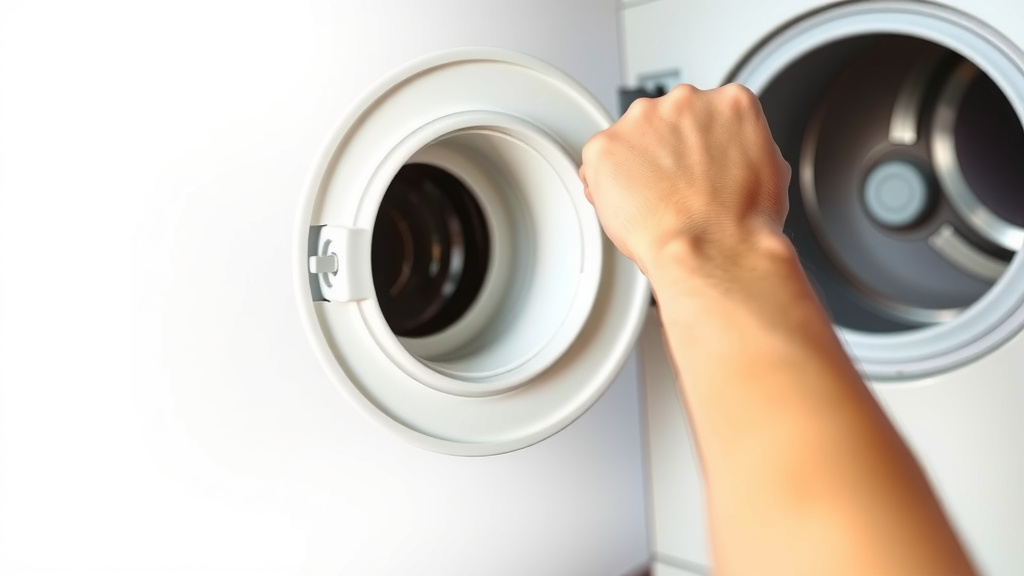
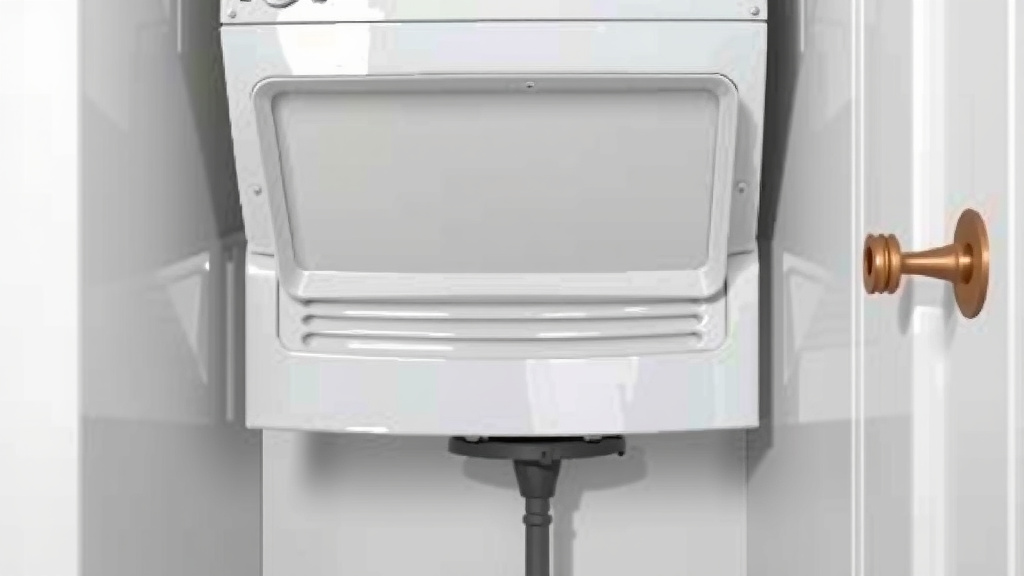
- Pull the dryer away from the wall. This gives you easy access to the vent connection.
- Detach the vent hose. You may need a screwdriver or pliers to loosen the clamp.
- Vacuum the vent hose itself. Insert the vacuum hose as far as it will go and pull it out slowly, capturing loose lint.
- Vacuum the dryer’s exhaust port. This is the opening on the back of the dryer where the vent hose connects.
- Vacuum the wall’s vent opening. This is the opening outside your home, if accessible.
- Reattach the vent hose securely. Ensure the clamp is tight to prevent air leaks.
- Push the dryer back into place.
- Plug the dryer back in.
Don’t Forget the Lint Trap!
While you’re at it, give your lint trap some attention. We found that cleaning the lint trap after every single load is critical. A clogged lint trap restricts airflow just like a blocked vent. Remove the lint screen, pick off the lint, and even give the screen a quick rinse with warm water occasionally. Let it dry completely before reinserting.
Many people overlook this simple step, but it makes a huge difference in dryer performance and safety. A clean lint trap is your first line of defense against dryer issues.
A Quick Checklist for Dryer Vent Maintenance
To make things even easier, here’s a handy checklist to keep you on track:
- Check your dryer’s performance regularly for signs of blockage.
- Clean the lint trap after every load.
- Vacuum the vent hose and ports at least annually.
- Consider cleaning every six months for heavy users or complex vents.
- Inspect the vent hose for damage or kinks during cleaning.
- Schedule a professional deep clean if you notice persistent issues.
Conclusion
You now know why regularly vacuuming your dryer vent is so important. It’s more than just routine maintenance; it’s a key safety measure for your home. Remember, aiming for at least once a year is essential, with every six months being ideal for heavy users or complex venting systems. Consistent cleaning prevents fires, saves energy, and ensures your clothes dry efficiently. Don’t wait for signs of trouble. Make it a habit to check and clean your vent this season!
Frequently Asked Questions
How often should I clean my dryer vent if I only do one load of laundry a week?
If you only use your dryer for one load per week, cleaning your dryer vent once a year is generally sufficient. Focus on a consistent seasonal cleaning, perhaps in the spring or fall, to stay on top of it without overdoing it.
Can I use a vacuum cleaner to clean the entire length of my dryer vent?
A standard vacuum with a hose attachment can reach a good portion of the vent, especially the connection points and the first few feet. For longer or more complex vents, you might need a specialized dryer vent cleaning kit that includes flexible rods for a more thorough clean.
What are the dangers of not cleaning my dryer vent often enough?
The primary danger is a fire hazard. Lint is highly flammable and can ignite from the dryer’s heat when it builds up excessively. You also risk making your dryer less efficient, leading to longer drying times and increased energy bills.
Does the type of dryer vent material affect how often I need to clean it?
Yes, it can. Flexible plastic or foil vents are more easily kinked or crushed, which can trap lint. Rigid metal vents are generally more durable and less prone to blockages. If you have a flexible vent, especially one that’s long or has bends, consider cleaning it more frequently, perhaps every six months.
Is it better to vacuum the vent from the inside or outside?
It’s best to clean from both ends if possible. Disconnect the vent from the dryer and vacuum as far as you can into the vent line. Then, if accessible, clean the exterior vent opening as well. This dual approach ensures you remove more of the lint buildup.

![7 Best Cordless Vacuum For Tile And Carpet [2026]](https://bathroomexplorer.com/wp-content/uploads/2026/05/7-best-cordless-vacuum-for-tile-and-carpet-2026-featured-768x432.jpg)
![7 Best Lightweight Vacuum For Laminate Floors [2026]](https://bathroomexplorer.com/wp-content/uploads/2026/06/7-best-lightweight-vacuum-for-laminate-floors-2026-featured-768x432.jpg)