Arrange Curtains Around Window Air Conditioner
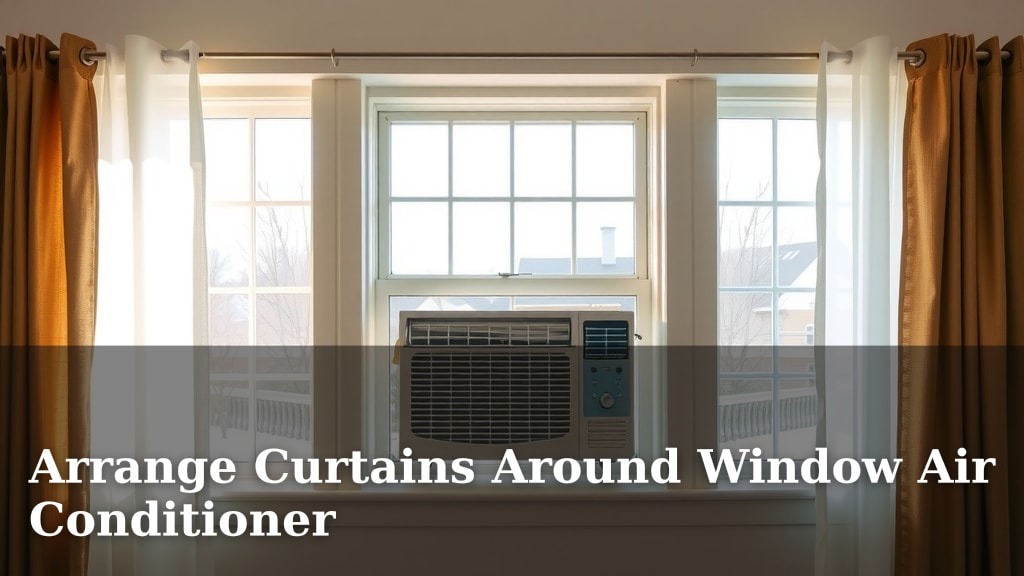
Yes, you can absolutely arrange curtains around a window air conditioner to make your room look nicer. The key is to use the right curtain rod and mounting hardware. This setup helps hide the bulky AC unit and can also improve insulation. We found that proper placement makes a big difference.
Getting your curtains to hang nicely around your window AC unit might seem tricky. But with a few simple tricks, you can achieve a polished look. Many homeowners struggle with this, wondering if it’s even possible. We’ve gathered practical tips to help you make your window AC blend in.
- Use a curtain rod that extends past the window frame.
- Consider an L-shaped bracket for a cleaner finish.
- Choose curtains that are the right length and weight.
- Ensure curtains don’t block the AC’s airflow.
Let’s walk through exactly how to arrange your curtains to make your window air conditioner look much better.
Arranging Curtains for Your Window Air Conditioner
Many homeowners find their window air conditioner an eyesore. You want to cool your home efficiently. But you also want your living space to look attractive. It’s possible to achieve both. You just need the right approach to curtain placement. We found that careful planning makes a huge difference.
Choosing the Right Curtain Rod and Hardware
Your curtain rod is the foundation for a good look. It needs to be strong enough for your curtains. It also needs to extend properly around the AC unit. This is key to hiding the bulky appliance. We looked at several options, and here’s what works best.
Extending Curtain Rods
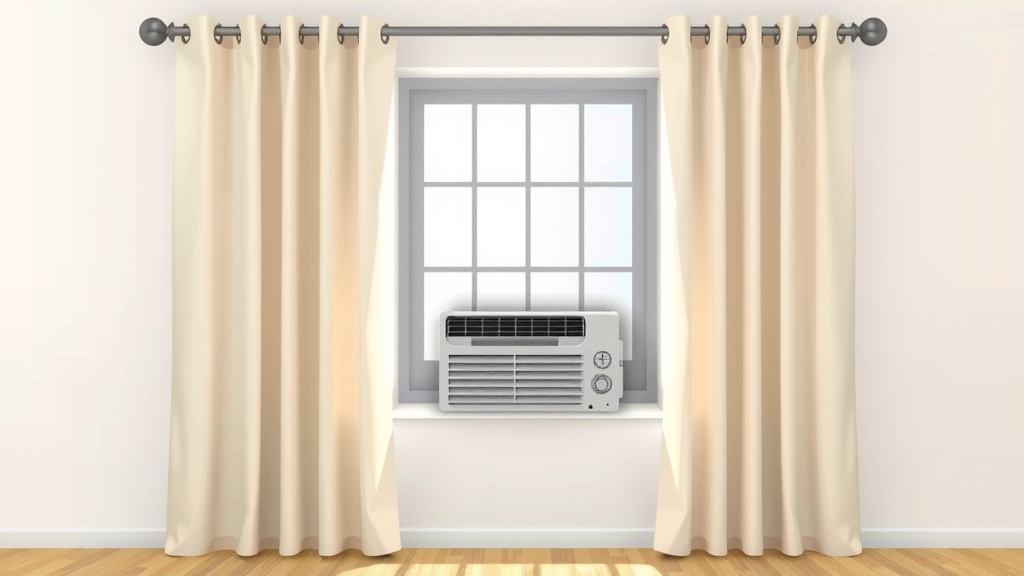
A standard curtain rod that fits inside the window frame won’t work well. You need one that extends beyond the sides of the window opening. This allows the curtains to hang in front of the AC unit. Think of it like giving your curtains a wider stage. This extra length helps create a visual barrier. It makes the AC unit seem to disappear. You can find rods designed for this purpose. They often have adjustable arms or extra-long brackets.
L-Shaped or Swing-Arm Brackets
For a really neat finish, consider L-shaped or swing-arm brackets. These special brackets attach to the wall beside the window. The curtain rod then extends out from the wall, creating a corner. Your curtains can then hang straight down, fully concealing the AC. We found this method offers a cleaner, more built-in look. It’s especially good if you want to avoid the AC unit being visible at all. Some people even use a double rod system. One rod holds curtains to cover the AC. Another holds decorative panels outside.
Mounting Considerations
Ensure your chosen hardware is securely mounted. Window AC units can be heavy. Your curtains will add extra weight too. Research suggests using sturdy screws and anchors. This prevents the rod from pulling away from the wall. If you have plaster walls, consider specialized anchors. For very heavy curtains, you might need extra support brackets. Always check the weight capacity of your rod and hardware.
Selecting the Perfect Curtains
Once your rod is sorted, the curtains themselves are vital. The right fabric, color, and length can transform the space. Don’t just grab any old drapes. Think about how they’ll interact with the AC unit.
Fabric Weight and Opacity
The weight of your curtains matters. Heavy, blackout curtains can help with insulation. They can block drafts in the winter and heat in the summer. This can make your AC more efficient. We found that thicker fabrics also do a better job of hiding the AC unit’s appearance. Lighter, sheer fabrics might not offer enough coverage. They could let the AC unit’s bulk show through. Consider thermal-lined curtains for added energy efficiency. These can be a great investment for comfort and savings.
Curtain Length and Width
Curtain length is critical. They should hang long enough to cover the entire AC unit. Aim for curtains that reach the floor or just above the windowsill. Measure carefully from your rod to your desired stopping point. Ensure the curtains are wide enough to create a full drape. You don’t want gaps where the AC unit can peek through. Generally, curtain width should be 1.5 to 2 times the width of the window area you’re covering.
Color and Pattern Choices
Color and pattern can affect the perception of space. Lighter colors can make a room feel airier. Darker colors can provide better light blocking. If your AC unit is white, white or cream curtains can help it blend in. Patterns can distract the eye. They can make the AC unit less noticeable. However, bold patterns might overwhelm a small room. Consider the overall decor of your space. You want the curtains to complement, not clash.
Positioning Your Curtains for Airflow and Access
This is where functionality meets style. You need to make sure your curtains don’t hinder your air conditioner’s performance. Or make it difficult to use.
Maintaining Proper Airflow
This is probably the most important point. Your AC unit needs clear airflow to work effectively. Never block the front vents where the cool air blows out. Research from energy agencies indicates that blocked vents reduce efficiency. They can also strain the unit. Ensure your curtains hang a few inches away from the front panel. They should not be tucked tightly against it. You want a clear path for the cool air to circulate. This is essential for effective cooling.
Easy AC Unit Access
Remember that you’ll need to access your AC unit. You might need to adjust settings, clean filters, or remove it seasonally. Your curtain arrangement should allow for this. If you use tie-backs, make sure they are positioned conveniently. You should be able to tie back the curtains easily. This will give you full access to the unit when needed. Some people choose to have curtains that meet in the middle. They can be easily pulled apart. Others prefer a single panel that can be slid to one side.
Securing the Curtains
Consider how the curtains will behave in breezy conditions. If you open your window often, your curtains might flap around. This could obstruct the AC unit. You can use magnetic tie-backs. These attach to the sides of the AC unit. They hold the curtains neatly in place. You could also install small hooks on the wall. These can secure the curtains when tied back. We found that simple solutions often work best for keeping things tidy.
Creative Solutions for Difficult Windows
Sometimes, standard solutions don’t quite fit. You might have an unusually shaped window. Or perhaps your AC unit is installed at an odd height. Here are a few ideas we found useful.
Using Valances or Cornices
A valance or cornice can be a decorative element. It sits above the window. It can help hide the top of the curtain rod. It can also conceal the top portion of the AC unit. This adds an extra layer of polish. It draws the eye upward, away from the appliance. Many pre-made options are available. You can also find tutorials for DIY versions.
Layering Different Curtain Types
Consider layering. You could use a sheer curtain as a base layer. This softens the look. Then, add heavier panels on the sides. These panels can be pulled to cover the AC when needed. This approach offers flexibility. You can adjust the look based on the season or your mood. It also allows for different levels of light control. We found this is a great way to add texture and depth.
Custom Solutions
For a truly custom look, consider custom curtains. You can have them made to perfectly fit your window and AC unit. This might be more expensive. But it guarantees a flawless finish. It’s ideal if you’re very particular about aesthetics. You can choose any fabric, color, and style you desire. This ensures your curtains are both functional and a beautiful design element.
Checklist for Success
Here’s a quick checklist to help you get started:
- Measure your window and AC unit carefully.
- Choose a curtain rod that extends beyond the window frame.
- Select L-shaped or swing-arm brackets for a clean look.
- Opt for medium to heavy weight curtains for better coverage.
- Ensure curtains are long enough to cover the AC unit completely.
- Test airflow and access before finalizing your arrangement.
Conclusion
Transforming your window AC setup from an eyesore to an integrated part of your decor is totally achievable. You’ve learned how the right curtain rod and hardware are your first line of defense. Choosing curtains with the proper weight, length, and width makes a big difference. Most importantly, always prioritize airflow and easy access to your unit. By following these tips, you can create a space that’s both cool and stylish. Your next step is to measure your window and AC unit carefully. Then, select the hardware and curtains that best fit your needs.
Frequently Asked Questions
Can I hang curtains directly in front of my window AC?
Generally, it’s best to avoid hanging curtains directly in front of the AC’s output vents. This can block airflow, reducing efficiency and potentially straining the unit. Your curtains should hang a few inches away from the front panel.
What kind of curtain rod do I need for a window AC?
You’ll need a curtain rod that extends past the sides of your window frame. This allows the curtains to hang in front of the AC unit, concealing it. L-shaped or swing-arm brackets can offer an even cleaner look by allowing the rod to extend from the wall.
Will heavy curtains block too much light?
Heavy curtains, especially thermal-lined ones, can offer good insulation and coverage. If you’re concerned about light blocking, consider layering. You could use a sheer curtain for ambient light and heavier side panels to cover the AC when needed.
How do I make sure I can still access my AC unit?
Your curtain arrangement should allow for easy access. Consider using tie-backs that are easy to reach, or opt for curtains that meet in the middle and can be pulled apart. This ensures you can adjust settings or perform maintenance without hassle.
What if my window AC unit is particularly bulky?
For bulkier units, thicker, heavier curtains will provide better concealment. You might also need to extend your curtain rod further out from the wall using specialized brackets. Layering curtains can also add visual bulk to help camouflage the AC.