

How to Check Your AC’s Coolant Level Safely
Checking your air conditioner’s coolant, often called refrigerant, is a task best left to a qualified HVAC technician. While you can’t safely check the exact level yourself, you can look for signs that indicate low coolant. These signs include your AC blowing warm air or ice forming on the refrigerant lines. A DIY check is generally not recommended because refrigerant is a pressurized chemical that can be harmful if handled improperly.
Low coolant levels aren’t just a minor inconvenience; they can signal a serious system leak. Refrigerant doesn’t get used up like gasoline. If your system is low, it means there’s a leak somewhere. Ignoring these signs can lead to costly damage to your AC’s compressor, which is the heart of the system.
- Your AC is blowing warm air.
- Ice is visible on the refrigerant lines or coils.
- Your system is making unusual noises.
- There’s a hissing sound coming from the unit.
- The system isn’t cooling your home effectively.
Let’s walk through the signs that might suggest a coolant issue and what you should do if you notice them.
Understanding Your Air Conditioner’s Refrigerant Level
You might be wondering if you can check your air conditioner’s refrigerant yourself. The short answer is no, not safely or accurately. Refrigerant, often called coolant, is a chemical under pressure. Trying to check it without the right tools and training can be dangerous. It’s like trying to check your car’s brake fluid without knowing what you’re doing – you could make things worse.
Think of refrigerant as the blood of your AC system. It circulates through the coils, absorbing heat from your home and releasing it outside. If the level is low, this crucial process gets disrupted. This isn’t something you can top off easily, like adding windshield washer fluid. A low refrigerant level almost always means you have a leak somewhere in your system.
Signs Your AC Might Have Low Coolant
While you can’t check the coolant level directly, your AC will give you clues if something’s wrong. These signs are your system’s way of telling you it needs attention. Paying attention to these can save you from bigger problems down the road.
1. Your AC Blows Warm Air
This is the most obvious sign. When your AC is running, but the air coming out of the vents feels warm or just not as cool as usual, it’s a strong indicator of low refrigerant. The system can’t cool the air effectively if it doesn’t have enough coolant to do its job.
2. Ice Forms on Refrigerant Lines or Coils
Have you ever looked at your outdoor AC unit or the indoor evaporator coil and seen frost or ice? This is a big red flag. When refrigerant levels are low, the remaining coolant gets too cold. This causes moisture in the air to freeze onto the lines and coils. You might see this even when the system is struggling to cool your home.
What are Refrigerant Lines?
These are the insulated copper pipes connecting your indoor and outdoor AC units. They carry the refrigerant. If you see ice on these, it’s a sign of a serious problem. This can lead to component damage if left unchecked.
3. Unusual Noises from Your System
Is your air conditioner suddenly making sounds it never made before? A gurgling or bubbling sound can sometimes mean air is getting into the refrigerant lines, often due to a leak. A screeching or grinding noise might point to a failing compressor, which can be a consequence of low coolant levels.
4. Hissing or Bubbling Sounds
A persistent hissing or bubbling sound coming from your AC unit, especially near the outdoor condenser or indoor coils, could indicate a refrigerant leak. It sounds like air escaping, and that’s essentially what’s happening with the pressurized coolant. This is a clear sign you need professional help.
5. Increased Energy Bills
When your AC isn’t running efficiently due to low coolant, it has to work much harder to try and cool your home. This means it uses more electricity. If you notice your energy bills have suddenly spiked, especially during cooling season, it could be your AC struggling. This inefficient operation can also lead to premature wear and tear.
6. Reduced Airflow
While reduced airflow can be caused by dirty air filters, it can also be related to refrigerant issues. If the evaporator coil freezes over due to low coolant, it can obstruct the airflow, making it feel like your fan isn’t blowing very hard. It’s a good idea to check your air filter first, as that’s an easy DIY fix.
Why Checking Refrigerant is a Job for Professionals
As we’ve touched upon, checking refrigerant levels is not a simple task. It requires specialized tools and knowledge. HVAC technicians use manifold gauges to measure the pressure of the refrigerant. This pressure directly indicates its level and the overall health of your AC’s sealed system. These gauges are not typically found in a homeowner’s toolbox.
The Dangers of DIY Refrigerant Checks
Refrigerant is a chemical compound. Depending on the type, it can pose health risks if inhaled or if it comes into contact with your skin. Many refrigerants are also potent greenhouse gases. Mishandling them can lead to environmental damage and hefty fines (U.S. Environmental Protection Agency). It’s best to let the experts handle these substances.
What an HVAC Technician Does
When you call a professional, they will:
- Safely access the refrigerant lines.
- Connect specialized gauges to measure pressure.
- Determine if the refrigerant level is low.
- Perform a leak detection test.
- Repair the leak (if found).
- Recharge the system with the correct amount and type of refrigerant.
This ensures the job is done safely and correctly, maintaining your system’s efficiency and longevity.
When to Call for Professional Help
If you notice any of the signs we’ve discussed, it’s time to pick up the phone. Don’t wait for the problem to get worse. Ignoring low refrigerant can lead to catastrophic failure of your AC’s compressor. This is the most expensive part of your system to replace.
The Cost of Ignoring Low Refrigerant
A simple refrigerant recharge might cost a few hundred dollars. However, if the low coolant has caused the compressor to overheat and fail, you could be looking at thousands of dollars for a replacement. It’s always more cost-effective to address leaks and low coolant levels promptly.
Preventative Maintenance Tips
Regular maintenance can help catch issues early. Consider scheduling a tune-up for your AC unit once a year, typically in the spring before the cooling season really kicks in. This allows technicians to inspect the system thoroughly, check refrigerant levels, and address any minor problems before they become major headaches. Think of it like a yearly check-up for your home’s comfort system.
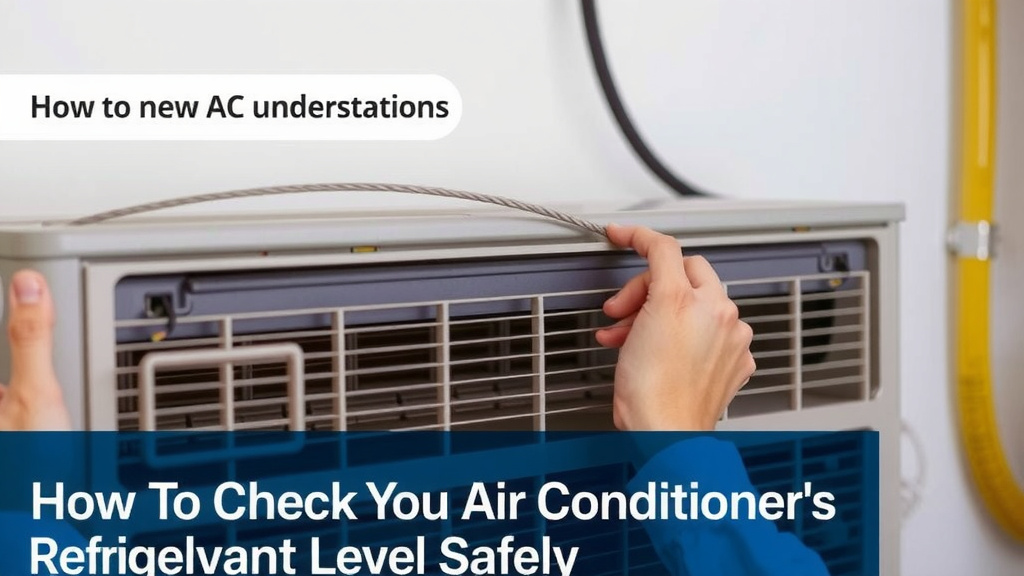
What You CAN Do: Simple AC Maintenance
While you can’t check the coolant, you can perform other simple tasks to keep your AC running smoothly. These help ensure your system operates efficiently, reducing the strain on components that rely on proper refrigerant levels.
1. Change Your Air Filter Regularly
This is perhaps the easiest and most important maintenance task you can do. A clogged filter restricts airflow, making your AC work harder and potentially leading to coil freezing. Check your filter monthly and replace it every 1-3 months, depending on the type and your home environment.
2. Keep Your Outdoor Unit Clean and Clear
Your outdoor condenser unit needs to be able to dissipate heat effectively. Keep the area around it clear of debris, leaves, and overgrown plants. You can gently rinse the fins with a hose to remove dust and dirt. Just be sure to turn off the power to the unit before cleaning.
3. Check for Obvious Obstructions
Walk around your house and ensure vents inside aren’t blocked by furniture or curtains. This ensures proper airflow throughout your home.
Quick Checklist: Signs Your AC Needs a Pro
Here’s a quick rundown of what should send you straight to calling an HVAC technician:
- Your AC is blowing warm air.
- You see ice on refrigerant lines or indoor coils.
- You hear strange noises like hissing or bubbling.
- Your energy bills are unusually high.
- The system isn’t cooling your home effectively.
Conclusion
While you can’t safely check your air conditioner’s coolant level yourself, staying aware of the warning signs is key. Your AC will tell you when it’s struggling, from blowing warm air to developing ice on its lines. These are clear indicators that a refrigerant leak might be the culprit. Remember, low coolant isn’t just about comfort; it’s about protecting your system’s expensive components, especially the compressor. If you notice any of these symptoms, don’t hesitate to call a qualified HVAC technician. They have the tools and expertise to diagnose and fix the problem, ensuring your system runs efficiently and lasts longer.
Frequently Asked Questions
Can I top off my AC coolant myself if it’s low?
No, you generally cannot and should not try to top off your AC coolant yourself. If your system is low on refrigerant, it means there’s a leak that needs professional repair first. Adding more coolant without fixing the leak is a temporary and potentially harmful solution.
What happens if I ignore low AC coolant?
Ignoring low coolant can lead to serious damage. Your AC’s compressor can overheat and fail without enough refrigerant to cool it. This can result in costly repairs or even the need to replace the entire air conditioning unit.
How often should an HVAC technician check my coolant?
A qualified HVAC technician should check your coolant levels during routine maintenance. It’s recommended to have your AC serviced annually, ideally in the spring, to catch potential issues like low refrigerant before they become major problems.
Are there any safe DIY steps I can take if I suspect low coolant?
The most important DIY step is to first check and replace your air filter if it’s dirty, as a clogged filter can cause similar symptoms. Also, ensure your outdoor unit is clean and free of debris. If these simple checks don’t resolve the issue, it’s time to call a professional.
Is refrigerant dangerous to handle?
Yes, refrigerants can be dangerous if not handled properly. Depending on the type, they can pose health risks through skin contact or inhalation and can also be harmful to the environment. This is why handling refrigerant is strictly a job for trained HVAC professionals.
![7 Best Dual Zone Mini Split Air Conditioner [2026]](https://bathroomexplorer.com/wp-content/uploads/2026/06/7-best-dual-zone-mini-split-air-conditioner-2026-featured-768x432.jpg)
