How to Check Your Water Pressure at Home: A Complete Guide for Homeowners
Have you ever noticed that your shower feels weak one day and forceful the next? Or maybe your garden hose doesn’t spray like it used to? The culprit might be your water pressure, and honestly, it’s something you can check yourself without calling an expensive plumber. I’m going to walk you through everything you need to know about measuring your home’s water pressure, why it matters, and what to do if something seems off.
Understanding Water Pressure: What Does It Really Mean?
Before we dive into the how, let’s talk about the what. Water pressure is essentially the force at which water flows through your pipes. Think of it like the difference between a gentle stream from a faucet and a fire hose at full blast. We measure this pressure in pounds per square inch, or PSI, and understanding this measurement is your first step toward being a more informed homeowner.
Why Water Pressure Matters More Than You Think
Water pressure affects everything in your home. It determines how quickly you can fill a bathtub, whether your dishwasher actually cleans your dishes properly, and even how long your plumbing fixtures last. Too little pressure and nothing works right. Too much pressure and you’re essentially putting stress on your entire plumbing system like a muscle pushed too hard at the gym. Finding that sweet spot is crucial for both comfort and longevity.
The Ideal Water Pressure Range
Most homes in North America should have water pressure between 40 and 60 PSI. Some municipalities go up to 80 PSI, but anything above 80 is generally considered too high and can actually damage your pipes and fixtures over time. Below 40 PSI and you’ll notice performance issues with your appliances and fixtures.
What You’ll Need to Check Your Water Pressure
Here’s the beautiful part: checking your water pressure doesn’t require a toolbox full of complicated equipment. You probably only need one simple tool, and it’s incredibly affordable.
The Water Pressure Gauge: Your Essential Tool
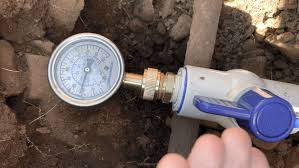
A water pressure gauge is really the only thing you absolutely need. These devices are inexpensive, usually costing between five and twenty dollars, and you can find them at virtually any hardware store or online retailer. They come in two main types: digital gauges that give you a precise electronic reading, and analog gauges with a dial face that you read manually. Both work well, though digital ones are a bit easier to read if you have vision challenges.
Choosing Between Digital and Analog Gauges
Digital pressure gauges provide instant, easy-to-read results and often include backlit displays for viewing in dimly lit areas. Analog gauges are more traditional, durable, and don’t require batteries. For most homeowners, either option works fine. I’d recommend grabbing whichever one you can find at your local store, since you’re probably eager to check this sooner rather than later.
Optional Tools That Make Life Easier
- A towel or cloth to catch water drips
- An adjustable wrench if the gauge doesn’t fit your outdoor faucet
- A notebook to record your readings
- A camera or smartphone to photograph your results for reference
Step-by-Step Instructions for Measuring Your Water Pressure
Finding the Right Location to Test
You want to test at an outdoor faucet, usually located on the side or back of your home. This is typically your hose bib or spigot. Why outdoors? Because it’s closer to where water enters your home, giving you the most accurate reading of your incoming water pressure. If you only have indoor faucets available, that’s fine too, but the reading might vary slightly depending on the distance from your main water line.
Preparing the Faucet for Testing
Turn off all water usage in your home before you start. Ask family members to stop using showers, washing machines, and sinks. You need the system at rest to get an accurate baseline reading. Wait a few minutes after everyone stops using water, then proceed to your test location.
Attaching the Pressure Gauge
Now comes the simple part. Unscrew any hose or aerator that might be attached to your outdoor faucet. If nothing’s attached, that’s even better. Screw your water pressure gauge onto the faucet connection. Make it snug, but don’t over-tighten it—you’re not trying to win a strength competition. Hand-tight is usually sufficient.
Taking Your Reading
Once the gauge is attached, slowly turn the faucet handle to the full-open position. The gauge needle or digital display will jump to a reading. That number is your water pressure in PSI. Take a moment to note this down. Some people recommend taking multiple readings over a few minutes because pressure can fluctuate slightly, and averaging those readings gives you a better picture.
Recording Multiple Readings for Accuracy
If you want to be thorough, turn the faucet off and then back on three or four times, recording each pressure reading. Add these numbers together and divide by how many readings you took. This average is your true water pressure. It might seem like overkill, but it’s actually the professional approach and takes only a few extra minutes.
Understanding Your Results: What the Numbers Mean
When Your Pressure Is In the Sweet Spot
If your gauge shows somewhere between 40 and 60 PSI, congratulations! Your system is performing right where it should be. Your fixtures should work efficiently, your pipes should be stress-free, and you probably won’t experience any problems. This is the Goldilocks zone—not too high, not too low, just right.
When Your Pressure Is Too Low
Readings below 40 PSI might explain why your showers feel weak or why you can’t fill your bathtub quickly. Low pressure can be caused by several issues: a problem with your municipal water supply, a leak somewhere in your system, a partially closed shut-off valve, or a failing pressure regulator. If you’re experiencing low pressure, check with your neighbors to see if they’re having the same issue. If they are, it’s a municipal problem and you should contact your water company. If they’re not, the problem is likely in your home’s plumbing.
When Your Pressure Is Too High
If your gauge reads above 80 PSI, you’ve got a different problem. High pressure is actually harder on your plumbing system than low pressure. It puts constant stress on pipe joints, seals, and fixtures, which can lead to leaks and premature failure. The good news is this problem often has a simple solution: a faulty pressure regulator. This is a device that’s supposed to reduce incoming pressure to acceptable levels, and it can usually be replaced fairly inexpensively.
Testing Different Areas of Your Home
Want to get even more detailed information? You can check pressure at multiple locations throughout your home. This tells you whether pressure is consistent or if certain areas have problems.
Testing Multiple Outdoor Faucets
If your home has multiple outdoor faucets, test each one. You might find that pressure varies slightly between them, which is normal. However, if one faucet shows significantly different readings, it might indicate a localized problem like a clogged aerator or an issue with that particular line.
Testing Indoor Faucets
You can also attach your gauge to kitchen sinks or bathroom faucets, though you’ll need an adapter if the connection is different from your outdoor spigot. Indoor readings might be slightly lower than outdoor readings due to the distance from the main water line, and that’s perfectly normal.
Common Reasons for Pressure Problems
Low Pressure Culprits
- Partially closed shut-off valve (the main one supplying your home)
- Mineral buildup in aerators and screens
- Leaks in your plumbing system
- Old or corroded pipes restricting water flow
- Issues with your municipal water supply
- A faulty pressure regulator
High Pressure Culprits
- A malfunctioning pressure regulator
- Thermal expansion in your plumbing system
- Water supply line surge or water hammer
- Municipal water pressure being naturally high in your area
When to Call a Professional Plumber
You’ve done your homework and discovered something’s wrong with your water pressure. Now what? Some situations require a professional touch.
DIY Fixes You Can Handle
If your pressure seems low, start simple. Check your main shut-off valve to make sure it’s fully open. It should be parallel to the water line when fully open. Also, clean the aerators on your faucets—sometimes mineral deposits are the culprit, and a good soak in vinegar can work wonders. These quick fixes might solve your problem without spending a dime.
When You Need Professional Help
If you’ve eliminated the simple fixes and your pressure is still too low, or if it’s dangerously high, call a licensed plumber. They have specialized equipment and expertise to diagnose and fix issues with your pressure regulator, detect leaks, and handle any major plumbing repairs. This is one of those situations where a professional is worth their weight in gold.
Maintaining Healthy Water Pressure Long-Term
Once you’ve fixed any issues and your water pressure is where it should be, how do you keep it that way?
Regular Maintenance Habits
Clean your aerators periodically to prevent mineral buildup. Have your pressure regulator inspected every few years if you have one. Keep an eye out for signs of leaks, like wet spots in your yard or higher than normal water bills. These simple habits prevent most pressure-related problems before they start.
Monitoring for Changes
If you noticed your pressure was good initially, keep a record of that baseline reading. Check it again every few months or whenever you notice a change in water flow. Sudden drops in pressure often indicate a developing problem that’s better to catch early than to ignore until it becomes a major issue.
Special Circumstances and Considerations
Living in an Apartment or Condo
If you don’t have direct access to an outdoor water connection, your best option is to contact your building management or landlord about pressure issues. They control the main water supply, and any serious problems need their attention. You can still check pressure at an indoor faucet to see if something seems wrong, and you can report your findings to management.
Seasonal Pressure Variations
Believe it or not, water pressure can change with the seasons. In winter, cold water contracts slightly and pressure tends to be higher. In summer, especially during peak water usage times in your community, pressure might dip. These are normal fluctuations and usually nothing to worry about unless they’re extreme.
Conclusion
Checking your water pressure is genuinely one of the easiest diagnostic tests you can do on your home’s plumbing system, and honestly, it’s something every homeowner should do at least once. Armed with a simple, inexpensive pressure gauge and twenty minutes of your time, you can determine whether your water system is healthy or if something needs attention. The knowledge you gain could save you hundreds of dollars in future repairs by catching problems early. Whether your readings show perfectly normal pressure or hint at an underlying issue, you now know exactly what to do next. Remember, water pressure is one of those invisible forces we take for granted until something goes wrong, so checking it periodically is just good home maintenance. The next time someone mentions water pressure, you’ll be the person in the room who actually understands what they’re talking about.
Frequently Asked Questions
Can I use any water pressure gauge, or do I need a specific type?
Most standard water pressure gauges work fine for residential testing. They’re all designed to measure PSI and connect to standard faucet connections. The main difference is digital versus analog, and both are equally accurate. Just make sure the gauge has a maximum rating of at least 200 PSI to safely measure your home’s pressure. Most residential gauges are rated well beyond typical household pressures, so you’re safe with basically any gauge you find at a hardware store.
What if my water pressure keeps changing throughout the day?
Some variation is completely normal, especially if you live in a city where water usage fluctuates significantly during peak and off-peak hours. Early morning and late evening typically see higher demand and potentially lower pressure. If your readings consistently vary by more than 20 PSI between different times of day, that might indicate a problem worth investigating. But generally speaking, seeing your pressure at 55 PSI in the morning and 48 PSI in the evening is nothing to worry about.
Is high water pressure always bad for my plumbing?
Yes, sustained high pressure puts stress on your entire plumbing system. Over time, excessive pressure causes leaks at connection points, reduces the lifespan of fixtures like water heaters and washing machines, and can even cause pipe damage. Think of it like constantly overinflating a tire—it might work for a while, but it’s going to wear out faster. If you consistently measure pressure above 80 PSI, getting a pressure regulator installed is a worthwhile investment.
Do I need to turn off my water completely before checking pressure?
You don’t need to completely shut off your water to check pressure, but you should ensure no one is using water in the home at that moment. When water is actively flowing elsewhere in your house, it reduces the pressure in your main line, giving you an inaccurate reading. It only takes a few minutes for the system to stabilize after everyone stops using water, so this is a minor inconvenience for much better accuracy.
Can low water pressure be fixed without calling a plumber?
Sometimes, yes! If the issue is mineral buildup in your aerators, a good cleaning with vinegar might restore pressure. If your main shut-off valve is partially closed, simply opening it fully could solve the problem. However, if you’ve tried these simple fixes and pressure is still low, or if you suspect a leak somewhere in your system, that’s when you need professional help. A plumber can diagnose issues that a simple gauge can’t reveal.
“`