

Choosing a New Air Conditioner: A Buyer’s Guide
Choosing a new air conditioner involves understanding your home’s needs and budget. You’ll want to focus on the AC unit’s size, its energy efficiency rating, and the type of system that best fits your living space. Getting these right ensures effective cooling without breaking the bank.
We know that finding the right AC can feel overwhelming with so many options. Many experts suggest looking at features like quiet operation and smart thermostat compatibility. Thinking about these details now will save you future headaches and ensure your comfort all summer long.
- Size your AC correctly for your home.
- Prioritize high energy efficiency ratings (SEER).
- Consider different types of AC systems.
- Look for quiet operation and smart features.
- Factor in installation costs and your budget.
Ready to find the perfect cool breeze for your home? Let’s walk through the key factors you need to consider when choosing a new air conditioner.
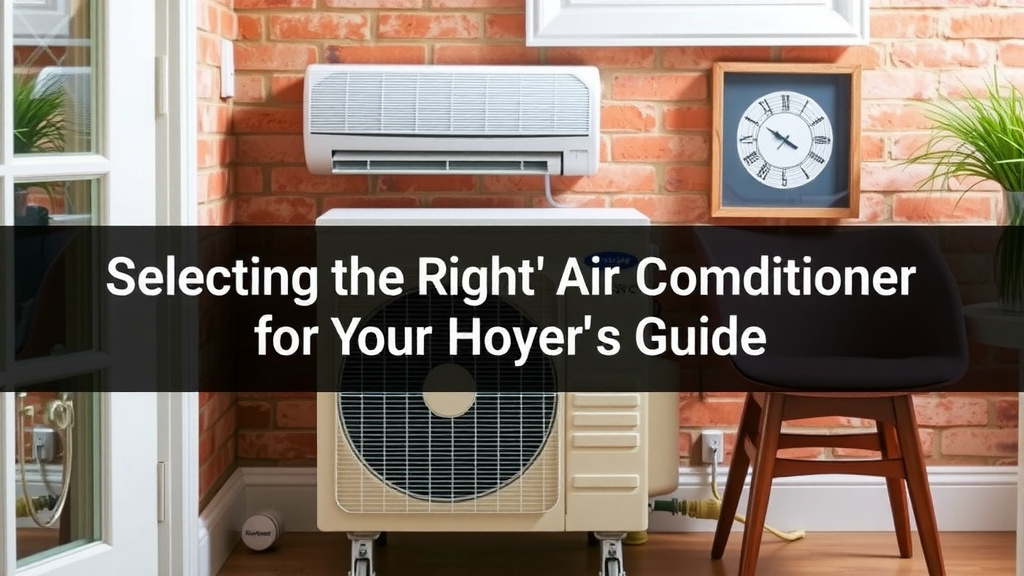
Selecting the Right Air Conditioner for Your Home
Picking out a new air conditioner can feel like a big decision. You want something that keeps your home cool and comfortable. You also want to avoid sky-high energy bills. Getting the right size and type is the first big step.
Understanding Your Home’s Cooling Needs
Your home’s size is a primary factor. A unit that’s too small won’t cool effectively. One that’s too large can short-cycle. This means it turns on and off too often. Short-cycling leads to poor humidity control and wasted energy. It’s like wearing shoes that are too big or too small – just not comfortable.
Determining the Proper Size (BTUs)
Air conditioners are measured in BTUs (British Thermal Units). This number tells you how much heat the unit can remove per hour. You need enough BTUs for your home’s square footage. Factors like ceiling height, insulation, and the number of windows matter too. A well-insulated home might need a slightly smaller unit. A home with many sunny windows might need a bit more power.
We found that most standard-sized homes need an AC unit between 2 to 5 tons. A ton of cooling is equal to 12,000 BTUs per hour. A professional can perform a load calculation. This calculation precisely determines the BTUs you need. It considers all the unique aspects of your home.
Energy Efficiency: SEER Ratings Explained
Energy efficiency is super important. It directly impacts your electricity bills. Look for the SEER rating. SEER stands for Seasonal Energy Efficiency Ratio. The higher the SEER rating, the more energy-efficient the unit is. Think of it like miles per gallon for your car.
Current minimum SEER ratings vary by region in the US. For much of the country, the minimum is SEER 13. However, many ENERGY STAR certified units offer SEER ratings of 14.5 or higher. Some premium models can reach SEER ratings of 20 or more. While higher SEER units cost more upfront, they can save you a lot of money over their lifespan.
For example, upgrading from a SEER 13 unit to a SEER 18 unit can reduce cooling costs by about 30%. This is a substantial saving. We found that many homeowners prioritize long-term savings. Choosing a unit with a higher SEER rating is a smart investment. It’s good for your wallet and the environment.
Understanding ENERGY STAR Certification
ENERGY STAR is a program from the U.S. Environmental Protection Agency. Products with the ENERGY STAR label meet strict energy efficiency guidelines. These guidelines are set by the EPA. Choosing an ENERGY STAR certified air conditioner means you’re getting a unit that is at least 10% more efficient than standard models. This is a clear sign of good performance.
Types of Air Conditioning Systems
Not all AC systems are the same. The best type for you depends on your home. Central air conditioners are the most common in the US. They use a system of ducts to distribute cool air. Window units and portable ACs are good for single rooms. Ductless mini-split systems are also an option.
Central Air Conditioners
Central AC systems are great for cooling an entire house. They consist of an outdoor unit (condenser and compressor) and an indoor unit (evaporator coil and air handler). Cool air is blown through ducts. These systems are efficient for whole-home cooling. They require existing ductwork or professional installation of new ducts. Many experts suggest checking your ductwork’s condition first.
Ductless Mini-Split Systems
Ductless mini-splits are a fantastic option if you don’t have ducts. Or, if you want to add cooling to a specific zone. They have an outdoor compressor unit connected to one or more indoor air-handling units. Each indoor unit can be controlled independently. This allows for zoned cooling. You can cool only the rooms you are using. This can lead to significant energy savings.
Window Units and Portable Air Conditioners
Window units are budget-friendly. They fit into a window frame. They are good for cooling single rooms. Portable ACs are similar. They sit on the floor and vent out a window. These are less efficient than central or mini-split systems. They are also generally noisier. We found these are best for smaller spaces or temporary cooling needs.
Additional Features to Consider
Beyond size and efficiency, other features can enhance your comfort. Noise level is a big one for many people. Some units are much quieter than others. Look for decibel (dB) ratings if noise is a concern. Many modern units are designed for quiet operation.
Smart thermostat compatibility is another feature worth noting. A smart thermostat can learn your habits. It can adjust the temperature automatically. This optimizes comfort and energy savings. You can even control them remotely via your smartphone. This is incredibly convenient.
Installation and Budget: What to Expect
The cost of a new air conditioner includes the unit itself and installation. Professional installation is highly recommended. A qualified technician ensures the unit is installed correctly. This guarantees optimal performance and efficiency. Improper installation can lead to problems down the road.
Prices can vary widely. Factors include the type of system, its size, SEER rating, and brand. Simple window units are the least expensive. Central AC systems and ductless mini-splits are a larger investment. We found that many homeowners budget for both the unit and installation. Don’t forget to ask for quotes from multiple reputable HVAC contractors. This helps you get the best value.
Your New AC Checklist:
- Measure your space: Know your home’s square footage.
- Check your insulation: Good insulation impacts cooling needs.
- Research SEER ratings: Aim for higher numbers for savings.
- Consider system types: Central, mini-split, or window?
- Prioritize quiet operation: If noise is a concern.
- Get multiple quotes: For installation and unit cost.
Conclusion
You’ve now learned the essential steps to choosing your next air conditioner. By understanding your home’s cooling needs, prioritizing energy efficiency with higher SEER ratings, and exploring different system types, you’re well-equipped to make a smart decision. Don’t forget to factor in quieter operation and smart features for added comfort and convenience. The next step is to start getting quotes from trusted local HVAC professionals. This will help you find the perfect system that fits your home and budget for years of cool comfort.
Frequently Asked Questions
How do I know what size AC unit I need for my home?
Sizing is critical for efficient cooling. You’ll want to consider your home’s square footage, insulation quality, and the number of windows. A professional load calculation is the most accurate way to determine the right BTU capacity for your specific needs.
Is a higher SEER rating always better?
Generally, yes. A higher SEER rating means the unit uses less energy to cool your home, leading to lower electricity bills. While units with higher SEER ratings may have a higher upfront cost, they often pay for themselves over time through energy savings.
What’s the difference between a central AC and a mini-split system?
Central AC systems cool your entire home through ductwork. Mini-split systems, also known as ductless systems, offer zoned cooling. They are ideal for homes without existing ducts or for cooling specific areas independently.
Are ENERGY STAR certified air conditioners worth the extra cost?
Yes, we found they are. ENERGY STAR certified units are at least 10% more energy-efficient than standard models. This increased efficiency translates to noticeable savings on your energy bills and is better for the environment.
How much does a new air conditioner typically cost to install?
Installation costs vary widely. They depend on the type of system, its size, efficiency rating, and your location. It’s always recommended to get detailed quotes from multiple reputable HVAC contractors to compare pricing and services.

![7 Best Portable Energy Efficient Air Conditioner [2026]](https://bathroomexplorer.com/wp-content/uploads/2026/06/7-best-portable-energy-efficient-air-conditioner-2026-featured-768x432.jpg)
![7 Best Rated Stand Alone Air Conditioner [2026]](https://bathroomexplorer.com/wp-content/uploads/2026/06/7-best-rated-stand-alone-air-conditioner-2026-featured-768x432.jpg)