Fix Your Air Conditioner: Quick Troubleshooting Tips
When your air conditioner stops cooling, fixing it yourself is often possible with a few simple steps. You can usually fix common AC problems like a frozen evaporator coil or a tripped circuit breaker without calling a professional. We’ve researched common issues and found straightforward solutions for most homeowners.
Understanding the basic components of your AC unit can help you troubleshoot effectively. Issues like low refrigerant or dirty filters are frequent culprits. Knowing when to call a pro versus when to DIY is key to saving money and keeping your home comfortable. We found that many people can solve their AC woes with basic maintenance.
- Check your thermostat settings first.
- Reset your circuit breaker if it has tripped.
- Clean or replace your air filter regularly.
- Inspect the outdoor unit for debris.
- Know when to call a certified technician.
Let’s walk through the most common air conditioner problems and how you can tackle them at home.
Troubleshooting Your Air Conditioner: Simple Fixes
Is your AC blowing warm air? Don’t sweat it! Many common air conditioner issues can be fixed yourself. We’ve gathered straightforward solutions to get your cool air flowing again. Let’s get your home comfortable without a service call.
Check the Thermostat First
It sounds simple, but your thermostat is the brain of your AC. Is it set correctly? Many times, a misplaced setting is the culprit. Make sure it’s on “Cool” and not “Fan Only.” Also, check that the temperature is set lower than the current room temperature. If the batteries are low, replace them. A weak battery can cause erratic behavior or prevent the AC from kicking on.
Reset Your Circuit Breaker
An AC unit draws a lot of power. Sometimes, it can trip a circuit breaker. You’ll find your breaker box, usually in a basement, garage, or closet. Look for a switch that’s in the “off” position or halfway between “on” and “off.” To reset it, push the switch firmly to the “off” position, then back to “on.” If it trips again immediately, there might be a more serious electrical issue, and you should call a professional.
Clean or Replace the Air Filter
A dirty air filter is one of the most frequent reasons for AC problems. When a filter is clogged, it restricts airflow. This can cause your AC to work harder, freeze up, or stop cooling effectively. You can usually find the filter behind a grille on your furnace or in a return air duct. Filters are inexpensive and easy to change. We found that changing your filter monthly can improve efficiency and air quality significantly.
Finding and Replacing Your Filter
Check your owner’s manual if you’re unsure where your filter is located. Note the size of the filter before you buy a new one. When you slide the old one out, notice the direction of the airflow arrow. Install the new filter with the arrow pointing in the same direction. It’s a quick task that makes a big difference.
Inspect the Outdoor Unit
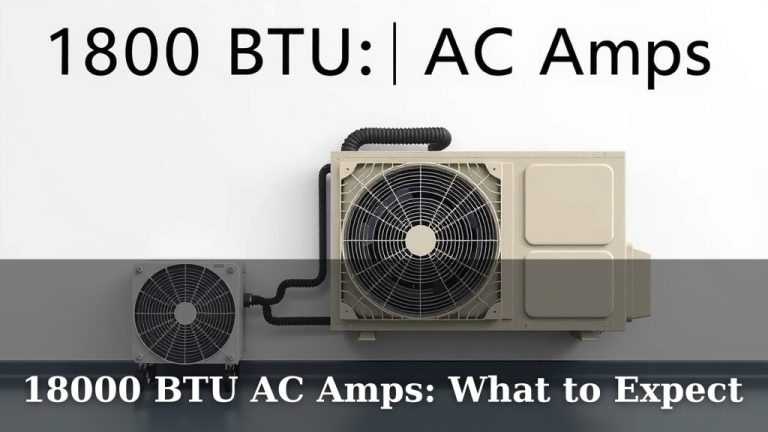
Your outdoor condenser unit needs space to breathe. Debris like leaves, grass clippings, and dirt can clog the fins. This prevents heat from escaping, making your AC less efficient. Gently remove any obstructions around the unit. You can use a garden hose on a low setting to rinse the fins. Just be careful not to bend them. Also, ensure there are no plants growing too close. A clear space around the unit is essential.
Clearing Obstructions
Make sure the power to the outdoor unit is turned off at the breaker box before you start cleaning. This is a critical safety step. You don’t want the fan to start while you’re reaching into the unit. Remove any visible debris by hand or with a soft brush. A clean outdoor unit can help your AC run more efficiently.
What to Do About a Frozen Evaporator Coil
Seeing ice on your indoor AC unit’s coil? That’s a sign of restricted airflow or low refrigerant. The most common DIY fix is to address the airflow. First, turn your AC to the “Fan Only” setting. This will help melt the ice. Then, replace your air filter. If the coil is still frozen after 24 hours and you’ve replaced the filter, it could be a refrigerant issue, which requires a professional.
Why Does It Freeze?
The evaporator coil cools the air. If air can’t flow over it properly, the moisture in the air freezes onto the coils. Think of it like a cold window on a winter day. Restricted airflow is often due to a dirty filter or blocked vents. If you’ve ruled those out, a trained technician might need to check your refrigerant levels.
Understanding Your AC’s Drain Line
Your air conditioner removes humidity from the air. This moisture drains away through a condensate drain line. If this line gets clogged with algae or debris, water can back up. This can cause your system to shut down or even lead to water damage. You can often clear a minor clog yourself. Locate the drain line outside your home, usually a PVC pipe near the outdoor unit. You might be able to use a wet/dry vacuum to suck out any blockage.
Preventing Clogs
Pouring a cup of distilled vinegar down the drain line every few months can help prevent clogs. It acts as a mild cleaner. Many homeowners find this a simple preventative measure. If you can’t find the clog or the water keeps backing up, it’s time to call a technician.
When to Call a Professional AC Technician
While DIY fixes can solve many problems, some issues are beyond the scope of a typical homeowner. If you’ve tried the basic steps and your AC still isn’t working, it’s time to call in the experts. This is especially true for problems involving refrigerant levels, electrical issues, or strange noises. Trying to fix these yourself could be dangerous or cause more damage. We found that for complex repairs, a certified technician is your best bet.
A Quick Checklist for Common AC Fixes
Before you call for service, run through this quick list:
- Is the thermostat set to “Cool” and the temperature low enough?
- Has the circuit breaker tripped? Try resetting it.
- Is your air filter clean? Replace it if it’s dirty.
- Are there any obvious obstructions around your outdoor unit?
- Are your indoor vents open and not blocked by furniture?
- Have you allowed time for ice to melt if the coil was frozen?
By following these steps, you can often resolve common AC issues yourself. This saves you money and gets your cool air back quickly!

Conclusion
You’ve learned that many common air conditioner problems don’t require an expensive service call. Simple steps like checking your thermostat or cleaning your air filter can often restore your AC’s cooling power. We found that regular maintenance, like inspecting your outdoor unit and clearing the drain line, can prevent future issues. Don’t hesitate to tackle these fixes yourself. If you’ve gone through this checklist and your AC still isn’t performing, it’s wise to contact a certified technician for more complex repairs.
Frequently Asked Questions
How often should I clean my air conditioner’s outdoor unit?
You should inspect your outdoor unit for debris at least once a month, especially during the cooling season. Gently remove leaves, grass, and dirt that accumulate on the fins. A thorough rinse with a garden hose can also help keep it clean and efficient. You found this improves overall performance.
Can a dirty air filter really cause my AC to freeze up?
Yes, absolutely. A clogged air filter severely restricts airflow across the evaporator coils. This lack of airflow prevents the coils from absorbing enough heat. Consequently, moisture in the air freezes onto the cold coils, creating ice buildup. We found this is a very common cause.
What’s the best way to check if my circuit breaker has tripped?
Locate your home’s breaker box. Look for a switch that is either in the “off” position or resting in a middle position between “on” and “off.” To reset it, push the switch firmly to the “off” position first, then flip it back to “on.” If it trips again immediately, call a professional.
My AC is making a strange noise. Should I try to fix it myself?
Strange noises are often a sign of a more serious mechanical or electrical issue. Unless you are trained in AC repair, it’s best not to attempt to fix it yourself. Continued operation could cause further damage. You found that a certified technician is your best option here.
How can I prevent clogs in my AC’s drain line?
Pouring about a cup of distilled vinegar down the condensate drain line every 2-3 months can help prevent algae and slime buildup. This is a simple preventative maintenance step. Ensure the drain line is clear and accessible to allow water to flow freely. You found this aids in consistent operation.
![7 Best Window Air Conditioner For Large Space [2026]](https://bathroomexplorer.com/wp-content/uploads/2026/07/7-best-window-air-conditioner-for-large-space-2026-featured-768x432.jpg)