How to Clean a Water Pik Properly: A Complete Guide to Maintaining Your Oral Care Device
If you’ve invested in a Water Pik, you’re already taking a smart step toward better oral hygiene. But here’s the thing—owning one is only half the battle. Keeping it clean is just as important as using it correctly. Think of your Water Pik like a toothbrush; would you use a dirty toothbrush? Of course not. The same logic applies here.
In this comprehensive guide, I’m going to walk you through everything you need to know about cleaning your Water Pik. Whether you’re a brand new user or someone who’s been using one for years, you’ll discover tips and tricks that’ll help you keep your device in pristine condition for years to come.
Why Cleaning Your Water Pik Matters More Than You Think
Let me be honest with you—a lot of people overlook this step. They use their Water Pik regularly but neglect to clean it properly. Big mistake. When you don’t maintain your device correctly, you’re essentially creating a breeding ground for bacteria and mineral deposits.
Think about it: you’re using water to spray inside your mouth, and that water sits in your device between uses. If you don’t clean it regularly, you could be introducing bacteria right back into your mouth. That defeats the entire purpose of having a Water Pik in the first place. Not to mention, mineral buildup can actually damage your device and reduce its effectiveness over time.
Proper cleaning isn’t just about hygiene—it’s about extending the lifespan of your investment and ensuring it works at peak performance every single time you use it.
Understanding the Different Parts of Your Water Pik
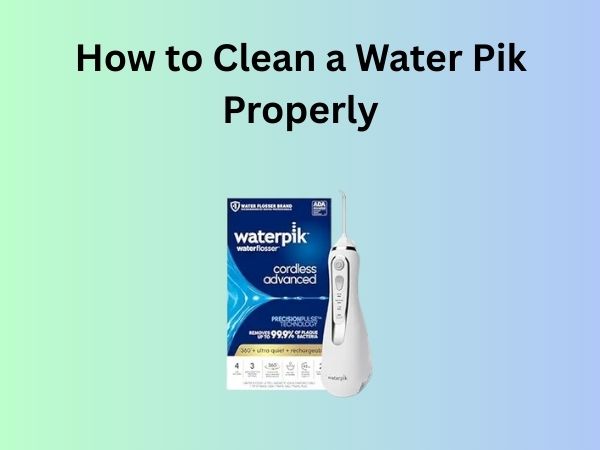
The Main Unit or Handle
The handle is the powerhouse of your Water Pik. It houses the motor and the electronic components that make the whole thing work. This part should never be submerged in water, even though it might seem logical to clean it that way. I know it’s tempting, but resist the urge.
The Water Reservoir
This is the tank that holds the water. It’s removable on most models, which makes cleaning much easier. The reservoir is where most of your cleaning effort should be concentrated, since it’s constantly exposed to water and bacteria.
The Tip or Nozzle
The tip is the part that actually goes in your mouth. Different models come with different types of tips—some are designed for general cleaning, others for gum care or orthodontics. Each tip needs individual attention during your cleaning routine.
The Handle Connection Point
This is where the tip attaches to the main unit. It’s easy to miss this spot, but it’s absolutely crucial for maintaining your device.
Outline of Cleaning Methods
- Daily rinsing and basic maintenance
- Weekly deep cleaning procedures
- Monthly descaling techniques
- Seasonal thorough cleaning
- Troubleshooting common cleaning issues
Daily Cleaning: Your First Line of Defense
The Immediate Post-Use Rinse
Right after you finish using your Water Pik, don’t just set it aside and forget about it. Take thirty seconds and do a quick rinse. Fill the reservoir with plain water (no salt, no mouthwash) and run it for about five to ten seconds. This flushes out any debris that might be lingering inside the device.
Why am I emphasizing plain water? Because additives can leave residue and buildup over time. Save the mouthwash for inside your mouth, not inside your machine.
Emptying the Reservoir
After that quick rinse, remove the reservoir and empty any remaining water completely. Let it air dry. I recommend placing it upside down on a clean towel so water can drip out naturally. This prevents stagnant water from sitting in there, which is where bacteria loves to hang out.
Cleaning the Tips
Your tips should be rinsed under running water immediately after use. Use your finger or a soft brush to gently wipe away any visible debris. If you have multiple tips, store them in a clean, dry place. I like to use a small cup or container where they can air dry completely before the next use.
Weekly Deep Cleaning: Going the Extra Mile
Disassembling Your Water Pik
Once a week, take your Water Pik apart completely. Most models allow you to remove the reservoir, handle, and tips with ease. Check your instruction manual if you’re unsure about which parts are removable. Never force anything apart; if it doesn’t come off smoothly, you’re probably doing something wrong.
Soaking the Reservoir and Tips
Fill a glass or cup with equal parts white vinegar and water. Place your reservoir and all your tips in this solution and let them soak for about thirty minutes. White vinegar is a natural disinfectant and works wonders at breaking down mineral deposits and killing bacteria.
Why vinegar instead of bleach or other harsh chemicals? Vinegar is gentler on the materials of your device and won’t damage the seals or components. Plus, it’s something most of us already have at home.
Scrubbing Away Buildup
After soaking, use a soft toothbrush or a small cleaning brush to gently scrub all the surfaces. Pay special attention to crevices and the connection points. You might be surprised at how much buildup comes loose after soaking. Don’t scrub aggressively though; you’re not trying to restore an old car here. Gentle pressure is all you need.
Rinsing Thoroughly
Rinse everything under clean running water until you can’t smell the vinegar anymore. Make sure no vinegar residue remains, as you don’t want that inside your mouth next time you use it. Dry everything with a clean cloth or let it air dry completely before reassembling.
Monthly Descaling: Tackling Mineral Deposits
Why Descaling Is Essential
If you live in an area with hard water, mineral deposits will accumulate inside your Water Pik more quickly than you might think. These deposits (usually calcium and magnesium) can reduce water flow and affect performance. Even if you don’t live in a hard water area, descaling once a month is still a good practice.
The Vinegar Solution Method
Fill your Water Pik’s reservoir with a fifty-fifty mixture of white vinegar and water. Insert a tip and run the device over the sink for about one to two minutes. Let the vinegar solution work through the internal tubes and plumbing. This breaks down mineral deposits that have built up inside where you can’t see.
After running the vinegar solution through, repeat the process with plain water three times to ensure all vinegar is flushed out. You want your Water Pik clean, not tasting like a salad dressing.
Alternative: Commercial Descaling Solutions
If you prefer a commercial option, some companies make descaling solutions specifically designed for Water Piks. These work similarly to the vinegar method but might be more pleasant if you’re sensitive to vinegar smell. Follow the manufacturer’s instructions carefully with any commercial product.
Handle and External Cleaning
Wiping Down the Exterior
Your Water Pik’s handle collects dust and potentially bacteria from your hands. Wipe it down weekly with a damp cloth. Pay attention to any grooves or textured areas where dust likes to hide. Use a slightly damp cloth, not a soaking wet one. You’re cleaning the outside, not waterproofing a boat.
Connection Points and Seals
Where the reservoir connects to the handle often accumulates moisture and debris. Use a soft cloth or even a cotton swab to clean these areas. Keeping these connection points clean ensures a watertight seal and prevents leaks.
Storage: Creating the Perfect Environment
Where to Store Your Water Pik
Store your Water Pik in a cool, dry place. Bathrooms can be humid, which might not be ideal for electronic devices. If you must keep it in the bathroom, ensure it’s away from direct water splashing from showers or tubs. A medicine cabinet or a shelf away from moisture is perfect.
Keeping Tips Organized and Clean
If you have multiple tips, store them in a clean, dry container. Some Water Pik models come with tip storage cases—use these if you have them. Make sure tips are completely dry before storing to prevent mold growth.
Troubleshooting Common Cleaning Problems
Reduced Water Pressure
If your Water Pik isn’t spraying water as forcefully as it used to, mineral buildup is likely the culprit. Run the vinegar solution through it as described in the descaling section. If that doesn’t solve the problem, check if the tip is clogged. Sometimes debris can block the opening.
Visible Mold or Discoloration
If you notice black spots or discoloration inside the reservoir, don’t panic. This is usually mold, which is more common in humid climates. Soak the affected parts in a vinegar solution for an hour, scrub gently, and rinse thoroughly. If the problem persists, you might need to replace the reservoir.
Lingering Odors
A musty smell coming from your Water Pik means bacteria or mold is present. This requires immediate attention. Soak all removable parts in vinegar for an hour, scrub thoroughly, and rinse extensively. Make sure you’re emptying the reservoir after each use going forward to prevent this from happening again.
Leaking Water
If your Water Pik is leaking, the seal between the reservoir and handle might be compromised. Clean the connection point thoroughly with a cloth. If the leaking continues after cleaning, the seal might be damaged and you may need a replacement reservoir.
Best Practices for Long-Term Maintenance
Create a Cleaning Schedule
I recommend making a mental note or even setting phone reminders for your cleaning tasks. Daily rinsing, weekly deep cleaning, and monthly descaling should become part of your routine, just like brushing your teeth.
Replace Parts When Needed
Tips should be replaced every three to six months, depending on usage. If you notice a tip is cracked, discolored, or no longer fits snugly, replace it. Most manufacturers sell replacement tips and reservoirs affordably.
Use Filtered Water When Possible
If you live in a hard water area, using filtered water in your Water Pik can significantly reduce mineral buildup. This means less frequent descaling and better performance overall. It’s a small change that makes a big difference.
When to Replace Your Water Pik
Even with perfect maintenance, your Water Pik will eventually reach the end of its life. Most quality units last three to five years with regular use. Signs that it’s time for a replacement include persistent leaking, loss of water pressure even after descaling, or the motor sounding different than usual.
Conclusion
Cleaning your Water Pik properly isn’t complicated, but it does require consistency and attention to detail. By following the daily, weekly, and monthly cleaning routines I’ve outlined, you’ll keep your device working like new for years to come. Remember, your Water Pik is an investment in your oral health, and like any investment, it deserves proper care and maintenance.
Start with the daily rinse habit today. Make it automatic, like turning off the lights when you leave a room. Add weekly deep cleaning to your schedule next. Before you know it, maintaining your Water Pik will become second nature, and you’ll be enjoying the benefits of a perfectly clean device every single time you use it. Your teeth—and your Water Pik—will thank you for it.
Frequently Asked Questions
How often should I replace the tip on my Water Pik?
Most manufacturers recommend replacing your Water Pik tip every three to six months, depending on how frequently you use the device. If you use your Water Pik daily, aim for the three-month mark. If you use it less frequently, six months is acceptable. If you notice the tip is cracked, loose, or the spray pattern has changed, replace it immediately regardless of how long you’ve been using it.
Can I use hot water to clean my Water Pik?
While warm water is fine for cleaning removable parts like the reservoir and tips, avoid using hot water. Extremely hot water can damage the seals and electronic components in the handle. Lukewarm or room temperature water is always the safest choice. The vinegar solution doesn’t need to be heated either; room temperature vinegar works just as effectively.
Is it safe to use bleach to clean my Water Pik?
No, bleach is too harsh and can damage the materials and seals of your Water Pik. Stick with white vinegar or commercial cleaning solutions specifically designed for Water Piks. These are gentler on the device while still being effective at killing bacteria and breaking down mineral deposits.
What should I do if my Water Pik stops spraying water?
First, check if the reservoir is filled with water. If it is, the issue is likely a clogged tip or internal mineral buildup. Try cleaning the tip thoroughly and running the vinegar descaling solution through the device as described in the monthly maintenance section. If water still doesn’t spray after descaling, the pump or internal plumbing might be damaged and you may need to contact the manufacturer or replace the unit.
Can I leave water in my Water Pik overnight?
No, you should always empty the reservoir after each use. Leaving water sitting in the device, especially overnight, creates the perfect environment for bacteria and mold growth. This can lead to odors, discoloration, and potential health risks. Make it a habit to empty and briefly rinse your Water Pik immediately after every use.
“`