How to Clean Hard Water Buildup: A Complete Guide to Removing Mineral Deposits
What Exactly Is Hard Water Buildup?
You’ve probably noticed that white, chalky substance clinging to your shower head or faucet. That’s hard water buildup, and trust me, you’re not alone in dealing with it. Hard water contains high levels of minerals, primarily calcium and magnesium, which don’t dissolve the way regular water does. Instead, they accumulate on surfaces over time, creating what we call limescale or mineral deposits.
Think of it like this: imagine pouring salt water onto a surface and letting it evaporate. The salt remains behind. That’s essentially what happens with hard water. When the water evaporates or dries, those minerals get left behind as stubborn deposits that can be frustratingly difficult to remove.
Why Your Water Is Hard in the First Place
Hard water isn’t a sign of dirty water or poor maintenance. It’s actually determined by your geographic location. If you live in an area with limestone, chalk, or gypsum deposits underground, your water supply naturally picks up these minerals as it flows through the soil. Some regions are simply dealt a harder hand than others when it comes to water hardness.
According to the U.S. Geological Survey, hard water affects a significant portion of the American population. If you’re experiencing buildup problems, you’re definitely living in a hard water area. The good news? There are plenty of solutions available.
How to Identify Hard Water Buildup Problems
Visual Signs You Should Watch For
The most obvious sign of hard water buildup is that white or grayish mineral coating on your fixtures and glass surfaces. But there are other telltale signs worth noting:
- Dull, spotty appearance on glassware and dishes
- Film or residue inside your shower doors
- Crusty deposits around faucet openings
- Reduced water pressure from showerheads
- Soap scum that seems impossible to remove
- Staining on tile and grout
Non-Visual Problems Hard Water Creates
Beyond what you can see, hard water causes issues you might not immediately connect to mineral buildup. Your appliances work harder and wear out faster. Your water heater becomes less efficient. Your skin feels drier, and your hair looks duller. Detergents don’t work as effectively, meaning you’re using more product and getting worse results. These hidden costs add up quickly.
Natural Cleaning Solutions for Hard Water Buildup
White Vinegar: Your First Line of Defense
White vinegar is nature’s miracle worker when it comes to hard water deposits. The acetic acid in vinegar dissolves mineral buildup without any harsh chemicals. I personally reach for vinegar first because it’s safe, inexpensive, and genuinely effective.
Here’s how to use it:
- Pour undiluted white vinegar into a spray bottle
- Spray generously onto the affected area
- Let it sit for 15 to 30 minutes
- Scrub with a soft cloth or brush
- Rinse thoroughly with clean water
For stubborn deposits, soak paper towels in vinegar and drape them over the affected area. Leave them overnight, and you’ll be amazed at how much easier the deposits scrub away the next morning.
Baking Soda Paste for Stubborn Stains
When vinegar alone doesn’t cut it, baking soda becomes your secret weapon. The mild abrasive texture helps physically remove deposits while the alkaline nature works chemically against the minerals.
To make a cleaning paste:
- Mix three parts baking soda with one part water
- Adjust consistency until you have a spreadable paste
- Apply directly to the buildup
- Let it sit for 10 minutes
- Gently scrub with a soft brush or cloth
- Rinse and dry completely
This combination is gentle enough for delicate surfaces like chrome and glass but powerful enough to handle tough mineral deposits.
Lemon Juice for Shine and Cleanliness
Lemon juice works similarly to vinegar because it’s also acidic, but it leaves behind a fresher scent and a natural shine. It’s perfect if you can’t stand the smell of vinegar.
Cut a lemon in half and rub it directly onto the affected surface, or squeeze fresh lemon juice into a spray bottle and apply it the same way you would vinegar. The citric acid breaks down the mineral deposits while the natural oils add a protective coating.
Chemical Cleaning Solutions for Tough Buildup
Commercial Lime and Mineral Removers
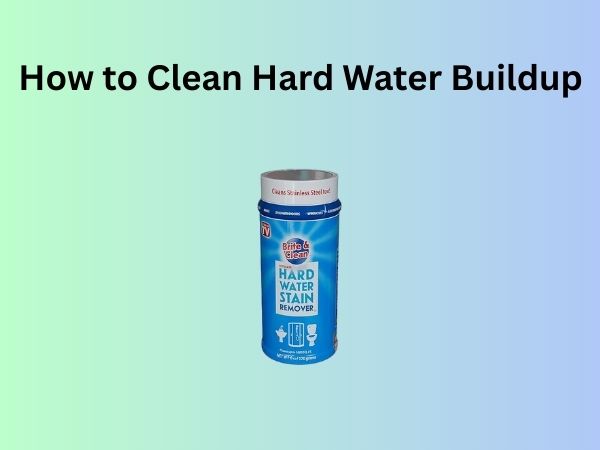
When natural solutions don’t provide the results you need, commercial cleaners formulated specifically for hard water removal can be highly effective. Products like CLR, Lime Away, and similar brands contain stronger acids designed to dissolve mineral deposits rapidly.
Important safety tips when using commercial cleaners:
- Always ventilate the area well
- Wear rubber gloves to protect your skin
- Never mix different cleaning products together
- Follow the manufacturer’s instructions exactly
- Keep these products away from children and pets
- Test on a hidden area first to ensure it won’t damage the surface
While these products work quickly, I recommend saving them for the most stubborn buildup rather than using them routinely, as they can be harsh on some materials over time.
Rust and Calcium Removers for Severe Cases
For really severe buildup, especially in older homes or areas with extremely hard water, you might need specialized rust and calcium removal products. These contain stronger formulations designed to tackle years of accumulated deposits.
Use these products exactly as directed, and always test on an inconspicuous area first. Some surfaces, like natural stone or certain metals, can be damaged by harsh chemicals.
Cleaning Hard Water Buildup in Every Room
Bathroom Fixtures and Faucets
Your bathroom likely shows hard water buildup most prominently. Start with the faucets, which tend to accumulate deposits quickly.
For aerators (the screen part at the faucet tip):
- Unscrew the aerator if possible
- Soak it in white vinegar for one to two hours
- Use an old toothbrush to scrub away loosened deposits
- Rinse thoroughly and reinstall
If the aerator won’t unscrew, soak a cloth in vinegar, wrap it around the faucet tip, and secure it with a rubber band overnight.
Shower Doors and Glass Surfaces
Shower doors are notorious for collecting mineral deposits because water constantly drips on them. The key here is regular maintenance to prevent heavy buildup.
Create a daily spray using one part vinegar and one part water. Spray it on the glass after each shower and wipe it down. This prevents buildup from ever getting serious in the first place.
For existing heavy deposits, use a squeegee to remove excess water, then apply vinegar and let it sit for an hour. Scrub gently with a soft-bristled brush or non-abrasive sponge, and rinse thoroughly.
Showerheads and Handheld Sprayers
When your showerhead is clogged with mineral deposits, you lose water pressure and your shower becomes less enjoyable. Here’s how to restore it:
The vinegar soak method works wonderfully here:
- Unscrew the showerhead from the arm
- Fill a plastic bag with white vinegar
- Submerge the showerhead in the vinegar
- Use a twist tie or rubber band to secure the bag to the shower arm
- Leave it overnight (or for several hours at minimum)
- Remove and scrub with an old toothbrush
- Run water through it to clear any remaining debris
- Reinstall and enjoy improved water pressure
Bathtub Stains and Rings
That stubborn ring around your bathtub is mostly hard water staining combined with soap scum. Attack it with your baking soda paste, letting it sit longer on tougher stains. For severe staining, follow the baking soda treatment with a vinegar spray.
Scrub in circular motions to avoid creating marks in one direction. Once it’s clean, dry the tub completely to prevent new mineral deposits from forming immediately.
Kitchen Sink and Faucet Areas
Kitchen faucets get heavy use and show buildup quickly. Use the same vinegar soak method described for bathroom faucets. For the sink itself, make a baking soda paste and scrub the drain area and basin.
Pay special attention to the area around the faucet base where water tends to pool and minerals accumulate.
Dishwasher Interior and Spray Arms
Hard water buildup inside your dishwasher reduces cleaning effectiveness. Run an empty cycle with two cups of white vinegar in a bowl on the bottom rack. This dissolves mineral deposits throughout the machine.
For the spray arms, unscrew them if possible and soak in vinegar, using a toothpick to clear any clogged spray holes.
Washing Machine Cleaning
Your washing machine accumulates mineral deposits in places you can’t see, reducing its efficiency. Run a hot water cycle with two cups of white vinegar and no clothes or detergent monthly. This helps dissolve mineral buildup inside the machine.
Additionally, wipe down the rubber seal and detergent dispensers regularly, as these areas trap moisture and buildup.
Preventing Hard Water Buildup Before It Starts
Daily Prevention Habits
The easiest deposits to clean are the ones that never accumulate in the first place. Develop these simple habits:
- Dry surfaces after use with a microfiber cloth
- Use a squeegee on shower walls and doors immediately after showering
- Wipe down bathroom fixtures daily
- Open bathroom windows to increase air circulation and reduce moisture
- Keep towel bars and soap dishes clean and dry
This takes just a few minutes daily but dramatically reduces the buildup that accumulates over weeks and months.
Water Softening Systems
For permanent hard water solutions, consider installing a water softening system. These come in several types:
Ion exchange softeners are the most common and effective. They remove calcium and magnesium ions and replace them with sodium or potassium ions. Your water feels softer, appliances last longer, and mineral buildup essentially stops happening.
Reverse osmosis systems filter water through a membrane, removing dissolved minerals. Whole-house systems treat all water entering your home, while point-of-use systems treat water at specific locations like the kitchen sink.
Salt-free systems are less effective at removing hardness but don’t require adding salt and don’t soften water as dramatically. They work by conditioning minerals rather than removing them.
Water Filters and Conditioners
If you’re not ready for a full softening system, point-of-use filters on your kitchen faucet or shower filters can reduce mineral content in specific areas. They’re less expensive and easier to install than whole-house systems.
When to Call a Professional
Signs You Need Expert Help
While most hard water buildup is manageable with DIY methods, certain situations warrant professional intervention:
- Severe mineral buildup in pipes causing low water pressure throughout your home
- Water heater performance issues from extensive internal scaling
- Permanent staining on expensive fixtures or surfaces
- Need for whole-house water softening system installation
- Mineral deposits in areas you can’t safely access
A professional plumber can descale pipes, install water treatment systems, and address underlying issues that DIY methods can’t solve.
Long-Term Maintenance Tips
Creating a Cleaning Schedule
Consistency prevents big problems from developing. Create a schedule that works for your lifestyle:
Weekly tasks:
- Wipe down bathroom fixtures
- Clean shower doors with vinegar spray
- Dry faucet areas after use
Monthly tasks:
- Deep clean showerheads and aerators
- Run vinegar cycle through dishwasher and washing machine
- Scrub bathtub and sink thoroughly
Quarterly tasks:
- Descale all faucets comprehensively
- Check water heater and address any scaling
- Inspect pipes for pressure issues
Keeping Your Water Softener in Peak Condition
If you have a water softening system, maintain it properly for continued effectiveness. Monitor salt levels, replace filters as recommended, and have it serviced annually by a professional.
Cost-Effective Approaches to Hard Water Management
You don’t need to spend a fortune fighting hard water. White vinegar costs just a few dollars and handles most situations. Baking soda is equally inexpensive. Most people can manage their hard water problem effectively with items already under the kitchen sink.
If you eventually invest in a water softening system, the money you save on appliance replacements and cleaning products often justifies the initial investment within a few years.
Conclusion
Hard water buildup is frustrating, but it’s entirely manageable with the right approach. Whether you start with natural solutions like vinegar and baking soda or move to commercial cleaners and water softening systems, you have options that fit your budget and lifestyle.
The key is understanding that prevention is easier than removal. Develop daily habits to keep mineral deposits from accumulating, tackle buildup promptly before it becomes severe, and consider long-term solutions if you live in a particularly hard water area.