
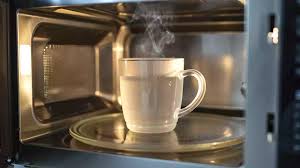
How to Boil Water in the Microwave Safely: A Complete Guide
Have you ever found yourself in a situation where you need hot water quickly, but your kettle is nowhere to be found? Maybe you’re in a dorm room, a small apartment, or you simply forgot to fill your kettle before leaving for work. Whatever the case might be, boiling water in the microwave is a convenient solution that many people overlook. But here’s the thing—doing it safely is absolutely crucial. In this comprehensive guide, I’ll walk you through everything you need to know about microwaving water, from the science behind it to practical tips that’ll keep you safe from burns and other hazards.
Why People Boil Water in the Microwave
Let me be honest with you—boiling water in the microwave isn’t always the most traditional method, but it’s incredibly practical for certain situations. Think of it as the modern shortcut in our fast-paced world. Whether you’re making instant noodles, brewing tea, preparing instant coffee, or sterilizing something quickly, a microwave can get the job done in minutes. The convenience factor alone makes it attractive, especially when you’re pressed for time or dealing with limited kitchen space.
The beauty of using a microwave is that it heats water molecules directly, rather than heating the container first and letting the heat transfer to the water. This means you can potentially boil water faster than traditional methods in some cases, though results vary depending on your microwave’s wattage and the quantity of water you’re heating.
Understanding How Microwaves Heat Water
Before we dive into the how-tos, let’s understand the science bit. Microwave ovens work by emitting electromagnetic radiation that causes water molecules to vibrate rapidly. This molecular movement generates heat, which raises the temperature of the water. It’s like you’re making the water molecules dance frantically until they generate enough friction to create warmth.
The Physics Behind Microwave Heating
When microwaves interact with water molecules, they cause them to rotate and move around frantically. This action generates kinetic energy, which we experience as heat. The efficiency of this process depends on several factors, including the microwave’s power output, the volume of water, and even the composition of the container you’re using. Different materials respond differently to microwave radiation, which is why container selection matters quite a bit.
What You’ll Need to Boil Water in the Microwave
Preparation is key to safe microwave water boiling. Let me break down exactly what you should have on hand before you start:
- A microwave-safe container (we’ll discuss this in detail)
- Cold or room-temperature water
- A kitchen thermometer (optional but helpful)
- An oven mitt or towel for handling hot containers
- A long wooden spoon or microwave-safe utensil
- Patience (it takes longer than you might expect)
Choosing the Right Container
This is where many people make mistakes. Not all containers are suitable for microwave use, and using the wrong one can lead to unpleasant surprises. Let me explain what works and what doesn’t.
Microwave-Safe Container Materials
Your best bet is to use containers that are explicitly labeled as microwave-safe. Glass containers are generally excellent choices because they heat slowly and distribute heat evenly. Ceramic mugs and bowls are also usually safe, provided they don’t have metallic decorations or glazes that contain harmful chemicals. Microwave-safe plastic containers work too, though I personally prefer glass because it doesn’t leach chemicals when heated.
Here’s what I recommend: Look for a small symbol on the bottom of your container—it usually looks like a microwave with wavy lines. This indicates the manufacturer has tested and approved it for microwave use. It’s your green light to proceed confidently.
Materials to Avoid Completely
Metal containers are absolute no-gos—and this includes anything with metallic trim or decorative patterns. Metal reflects microwave radiation and can cause sparking and potential fires. Regular plastic containers that aren’t microwave-safe can melt or warp, potentially leaching harmful chemicals into your water. Paper towels and napkins might seem fine, but they can occasionally catch fire in prolonged heating. Avoid them as a precaution.
Why Container Choice Matters So Much
The container you choose affects not just safety, but also how efficiently your water heats. Glass conducts heat differently than ceramic, which affects heating times and temperature distribution. Some containers retain heat far longer than others, which means they’ll continue heating your water even after the microwave stops. This is important information for timing and safety.
Step-by-Step Instructions for Boiling Water Safely
Now let’s get to the practical part. Follow these steps carefully to ensure you’re boiling water the right way.
Step One: Fill Your Container Appropriately
Don’t fill your container to the brim. I recommend filling it about three-quarters full. Why? Because water expands when it heats, and you don’t want it splashing everywhere or overflowing. There’s also something called superheating that can happen in microwaves, which we’ll discuss shortly, and having some headspace prevents dangerous situations.
Step Two: Select the Right Microwave Power Level
Here’s a tip that many people miss: use high power (100%). This ensures efficient heating without unnecessary complications. Some people think lower power is safer, but actually, higher power with shorter time intervals gives you better control and reduces the risk of superheating.
Step Three: Calculate Your Heating Time
The time needed depends on several variables. Generally, you’re looking at about three to five minutes for a single cup of water in a standard 1000-watt microwave. Larger quantities take proportionally longer. A good rule of thumb is to start with four minutes for one cup and adjust based on your results. Every microwave is different, so the first time might be a bit of trial and error.
Step Four: Monitor the Process
Don’t just walk away and forget about it. Check on your water about halfway through the heating time. You’re looking for steam rising from the container and small bubbles forming at the bottom. These are good signs that heating is progressing normally. However, if you see aggressive boiling or the container is extremely hot to the touch, stop and remove it immediately.
Step Five: Let it Rest Before Removing
After your microwave beeps, don’t immediately grab the container. Let it sit for about thirty seconds to one minute. This allows the heating process to stabilize and reduces the risk of sudden boiling when you disturb it. Think of it as giving the water a chance to catch its breath.
Step Six: Remove with Caution
Always use an oven mitt or a thick towel to handle the container. The container itself can become extremely hot, and you absolutely don’t want to burn your hands. Grip it firmly but carefully, and keep it away from your face and body as you remove it from the microwave. Steam rises straight up and can cause serious burns if you’re not careful.
Understanding Superheating: The Hidden Danger
Now I need to talk about something that concerns me when people microwave water: superheating. This is probably the most important safety aspect you need to understand.
What Exactly is Superheating?
Superheating occurs when water becomes hotter than its normal boiling point without actually boiling. In a microwave, water can heat unevenly, and sometimes the interior of the water becomes significantly hotter than normal boiling temperature—sometimes reaching 100 degrees Celsius or even higher—while the surface appears calm and undisturbed. This creates a dangerous situation because the water is essentially under pressure, waiting for a trigger to explode into violent boiling.
Why This Happens in Microwaves
Unlike stovetop heating, where heat comes from below and allows bubbles to form naturally, microwave heating is scattered throughout the water. If the container is very smooth and clean with no nucleation sites for bubbles to form, the water can exceed its boiling point without bubbling. It’s like a volcano waiting to erupt—calm on the surface but turbulent underneath.
How to Prevent Superheating
Here are some practical strategies I use:
- Place a microwave-safe wooden spoon or stick in the container before heating. This provides nucleation sites for bubbles to form, preventing excessive superheating.
- Use shorter heating intervals—heat for two minutes, check, then heat for another minute or two if needed. This prevents water from getting too hot in one go.
- Always stir the water gently after removing it from the microwave using a long-handled utensil.
- Never heat water for longer than necessary. If it looks boiled, stop immediately.
- Be extra cautious if you’re heating water in a very smooth or very clean container, as these are more prone to superheating.
Common Mistakes People Make
I’ve seen people make some predictable errors when microwaving water. Let me highlight them so you can avoid these pitfalls.
Heating Water for Too Long
Some folks think more time equals better results. That’s not true. Once water is boiling, it’s done. Continuing to heat it just wastes energy and increases the risk of accidents. A watched pot never boils, as they say, but an unwatched pot can definitely overheat.
Using the Wrong Containers
I mentioned this before, but it’s worth repeating because it’s so common. Using non-microwave-safe containers is asking for trouble. Your beautiful ceramic mug might not be rated for microwave use, and finding out the hard way is not pleasant.
Forgetting About Heat Retention
Many containers retain heat long after the microwave stops. Your container might continue cooking the water for another minute or more. If you’re timing based on microwave time alone, you might end up with water that’s hotter than you anticipated.
Not Using Protection When Handling
Burns happen in seconds. Some people casually reach in without proper protection, thinking “it won’t be that hot.” It can be, and it will be. Always use an oven mitt or thick towel. Always.
Safety Tips for Boiling Microwave Water
Let me consolidate the most important safety practices into one clear section.
Essential Safety Practices
- Always use microwave-safe containers only
- Never fill containers completely to the top
- Place a microwave-safe object in the water to prevent superheating
- Use high power for better control
- Check water at the midpoint of heating
- Always use protective gear when removing the container
- Never leave the microwave unattended while heating water
- Let heated water rest briefly before touching
- Be aware that containers stay hot long after water is done heating
- Never reheat water multiple times—heat it once to the desired temperature
How Long Does it Take to Boil Water in a Microwave?
Timing varies, and I want to give you realistic expectations. For a standard microwave with 1000 watts of power:
- One cup of water: approximately 3-4 minutes
- Two cups of water: approximately 5-7 minutes
- Three cups of water: approximately 8-10 minutes
- Four cups of water: approximately 10-12 minutes
These are estimates, and your results might differ. Microwaves with lower wattage take longer, while more powerful microwaves heat faster. The initial temperature of the water also matters—cold water from the fridge takes longer than room-temperature water.
Why Microwave Water Takes Longer Than You Expect
If you’re comparing this to your kettle, you might be surprised. Electric kettles are often faster because they use direct heating elements and are designed specifically for boiling water. Microwaves are generalists—they’re designed to heat many different types of food and beverages. They’re convenient, but not always the speediest option.
Practical Uses for Microwave-Boiled Water
Now that you know how to do it safely, here are situations where this method truly shines:
- Making instant noodles or ramen when you’re in a hurry
- Brewing tea or instant coffee
- Preparing instant oatmeal or instant pudding
- Sterilizing small items that can’t go in a dishwasher
- Dissolving powders or supplements that need hot water
- When you’re in a space without stove access, like a dorm or office
- Quick warming of baby formula or food (ensure it’s cooled to safe temperature first)
Microwave vs. Other Methods: A Quick Comparison
Let me put this in perspective by comparing different water-boiling methods:
Microwave Method
Convenient for small quantities, no stovetop required, but requires careful monitoring to prevent superheating and takes longer than dedicated kettles.
Electric Kettle
Fastest option, automatic shut-off for safety, excellent for regular use, but requires access to an outlet and takes up counter space.
Stovetop Kettle
Traditional method, audible notification when boiling, no electricity needed beyond basic stove, but requires active monitoring and takes considerable time.
Troubleshooting Common Issues
What if something doesn’t go as planned? Here are solutions for common problems:
Water Didn’t Boil After Expected Time
Your microwave might have lower wattage than average. Add more time in one-minute intervals, checking between each interval. Also verify that the microwave is set to high power.
Container is Extremely Hot But Water Isn’t Boiling
This suggests the heat is distributing into the container rather than the water. This can happen with some materials. Try using a different microwave-safe container. Glass usually performs better than ceramic in this regard.
Water Started Boiling Violently or Splashed
You experienced superheating. Remember to use a wooden spoon in the water next time and use shorter heating intervals. Stir gently after removing from the microwave.
Microwave Made Strange Noises
Some microwaves make noise during operation—that’s normal. However, if you hear sparking or crackling, stop immediately and check the container. This suggests a material issue or metal contamination.
Temperature Verification
If you want to be precise about whether your water is actually boiling, you can use a kitchen thermometer. Boiling water reaches 100 degrees Celsius or 212 degrees Fahrenheit at sea level. If your water is at this temperature or above, you’ve successfully boiled it. However, for most practical purposes, you’ll know it’s boiled when you see bubbles and steam.


