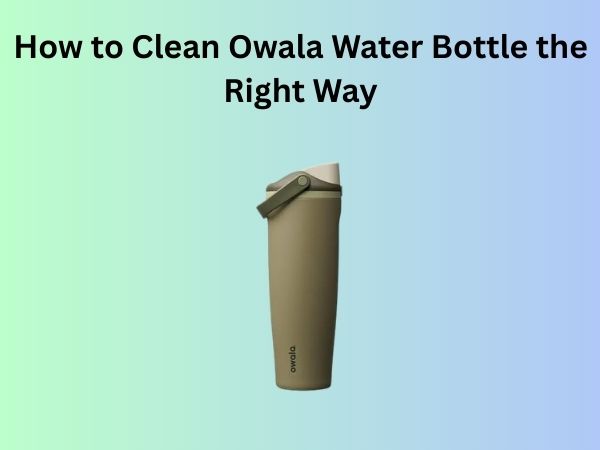
How to Clean Owala Water Bottle the Right Way: A Complete Guide
Understanding Your Owala Water Bottle
Before diving into the cleaning process, let’s talk about what makes your Owala bottle special. Owala water bottles are engineered with innovative features like their signature flip-top lids, durable stainless steel construction, and excellent insulation capabilities. Think of your Owala bottle as an investment in your hydration lifestyle—which means treating it right will keep it working beautifully for years to come.
The Different Owala Models and Their Materials
Owala comes in various models, each with slightly different designs and materials. You might have the Owala FreeSip with its patented lid system, or perhaps the newer models with updated features. Most Owala bottles feature double-wall stainless steel construction, which is fantastic for keeping your water cold (or hot, depending on your preference), but it also means you need to be careful during cleaning to protect that insulation.
Why Regular Cleaning Matters More Than You Think
Here’s the thing: your water bottle isn’t just sitting empty in your bag. Bacteria, mold, and mildew love moist environments, and a water bottle is basically the ideal habitat for them. Regular cleaning isn’t just about hygiene—it’s about protecting your health and ensuring your bottle lasts longer. When you neglect cleaning, mineral deposits build up, odors develop, and your bottle can start deteriorating from the inside out.
Health and Hygiene Considerations
Drinking from a contaminated water bottle is like inviting unwanted guests into your body. Bacteria such as E. coli and Staphylococcus aureus can thrive in unclean bottles, potentially causing digestive issues or infections. By maintaining a regular cleaning routine, you’re essentially giving yourself the gift of clean, safe drinking water every single day.
What You’ll Need for Cleaning
Let me be honest with you—you don’t need fancy or expensive cleaning products to keep your Owala bottle spotless. Here’s what I recommend having on hand:
- Warm water (your first line of defense)
- Dish soap (any mild dish detergent works fine)
- A bottle brush with soft bristles
- Baking soda (for odor elimination)
- White vinegar (for mineral deposits)
- A small pipe cleaner or flexible brush (for the straw, if applicable)
- Paper towels or a clean cloth
- Optional: denture cleaning tablets or specialized bottle cleaning tablets
Choosing the Right Brush for Your Bottle
Not all brushes are created equal. When selecting a bottle brush, look for one with soft bristles that won’t scratch the interior surface of your Owala bottle. Hard-bristled brushes might seem more effective, but they can actually damage the protective coating inside your bottle, which then makes it more susceptible to rust and deterioration.
Step-by-Step Daily Cleaning Process
Let’s keep things simple. Your daily cleaning routine shouldn’t take more than five minutes, and it’s the most important habit you can develop to maintain your bottle in excellent condition.
The Rinse and Wash Method
First, rinse your bottle with warm water immediately after finishing your water. This prevents liquids from sitting and drying inside, which creates a breeding ground for bacteria. Next, add a squirt of dish soap to the bottle along with warm water. Close the lid and shake vigorously for about thirty seconds—think of it as giving your bottle a little workout. Open it up, use your soft-bristled brush to scrub the interior walls, paying special attention to the bottom and any crevices. Rinse thoroughly with clean water until you don’t see any soap bubbles remaining.
Drying Your Bottle Properly
Here’s where many people go wrong. Don’t just leave your bottle sitting upright to air dry. Instead, after your final rinse, turn it upside down or place it at an angle so any remaining water can drip out. Leave the lid off during this process. You want the interior to dry completely, as any lingering moisture can promote mold growth. If you’re in a hurry, you can use a clean cloth or paper towel to dry the interior manually.
Deep Cleaning Your Owala Bottle
While daily cleaning keeps your bottle fresh, every couple of weeks, you should give it a more thorough deep clean. This is especially important if you notice any discoloration or persistent odors.
The Baking Soda Soak Method
Fill your Owala bottle about halfway with warm water and add two to three tablespoons of baking soda. Close the lid and shake it vigorously for two to three minutes. Let the solution sit inside the bottle for at least thirty minutes—longer is even better. If you have the time, overnight soaking can work wonders. The baking soda acts as a gentle abrasive and deodorizer, breaking down stubborn residues and neutralizing odors. After soaking, scrub with your bottle brush and rinse thoroughly.
The Vinegar Solution for Mineral Deposits
If you live in an area with hard water, mineral deposits can accumulate inside your bottle, creating white or cloudy buildup. Here’s your solution: fill the bottle with equal parts white vinegar and warm water. Let this solution sit for one to two hours. The acidity in vinegar dissolves mineral deposits naturally. After soaking, use your brush to scrub away any loosened deposits, then rinse multiple times until the vinegar smell is gone.
Tackling Stubborn Stains and Odors
Sometimes your bottle presents challenges that require a bit more firepower. Let’s address the most common stubborn issues you might encounter.
When Baking Soda Isn’t Enough
For particularly stubborn stains or odors, you can combine baking soda and vinegar for a powerful cleaning combo. Create a paste by mixing baking soda with a small amount of vinegar, then apply it directly to stained areas inside the bottle. Let it sit for fifteen to twenty minutes, then scrub and rinse thoroughly. This combination creates a fizzing reaction that helps lift even the most stubborn residue.
Using Denture Cleaning Tablets
Here’s a trick that many bottle enthusiasts swear by: denture cleaning tablets. Drop one tablet into your bottle filled with water, close the lid, and let it soak overnight. These tablets are specifically designed to dissolve stubborn buildup and kill odor-causing bacteria. It’s almost like sending your bottle to a spa for the night. Simply rinse thoroughly in the morning, and you’ll be amazed at the results.
Salt and Rice Method for Extreme Cases
If you’re dealing with really stubborn stains that seem impossible to remove, try this method: add a tablespoon of salt and a handful of uncooked rice to your bottle along with warm water. Close the lid and shake vigorously for several minutes. The rice acts as a gentle scrubber, while the salt helps break down residue. This technique is particularly effective for stains on the interior walls that won’t come off with brushing alone.
Cleaning the Flip Top Lid
The iconic flip-top lid on your Owala bottle is one of its best features, but it’s also the area that requires the most attention during cleaning.
Disassembling the Lid Components
Most Owala lids are removable, and you should take full advantage of this feature. Unscrew or pop off the lid and separate any removable components, including the rubber gasket or seal. These parts are magnets for bacteria and mineral deposits because water gets trapped in crevices. Soak all lid components in warm soapy water for a few minutes, then use your small brush or an old toothbrush to clean each part thoroughly. Don’t forget the tiny crevices where the straw or spout meets the lid—that’s where gunk loves to hide.
Cleaning the Straw Mechanism
If your Owala model has a straw, this requires special attention. Use a flexible pipe cleaner or straw brush to clean inside the straw itself. Run warm soapy water through it, then flush with clean water multiple times. For really stubborn buildup inside the straw, soak it in your vinegar solution or with a denture cleaning tablet.
Caring for Different Owala Models
While the core cleaning principles remain the same, some Owala models have unique features worth discussing.
Owala FreeSip Model Specifics
The FreeSip model has a unique two-way lid system that allows you to drink either from the spout or by tipping the bottle. This design means more surfaces require cleaning. The good news is that the lid components are completely removable, making deep cleaning easier. Pay special attention to the transitions between different parts of the lid where water can become trapped.
Insulated vs. Non-Insulated Models
If you have an insulated Owala bottle, be extra careful not to use abrasive scrubbers on the exterior or submerge it in water for extended periods, as this could compromise the seal between the inner and outer walls. Stick to gentle cleaning methods for the outside, focusing your detailed cleaning efforts on the interior.
What to Avoid When Cleaning
Just as important as knowing what to do is knowing what not to do. Here are the biggest cleaning mistakes that could damage your Owala bottle:
- Putting your bottle in the dishwasher (many models aren’t dishwasher safe, and heat can damage seals)
- Using bleach or harsh chemical cleaners
- Scrubbing with steel wool or abrasive scouring pads
- Using boiling water directly on insulated bottles
- Leaving water sitting inside for days without emptying
- Using high-pressure water jets that could force water into the insulation layer
- Applying excessive force when twisting lids (this can strip the threads)
Storage Tips for a Fresh Bottle
How you store your bottle between uses matters more than you might realize. Always ensure your bottle is completely dry before storing it. Store it with the lid off or loosely attached, allowing air circulation inside. Keep it in a cool, dry place away from direct sunlight, which can degrade materials over time. Never store it while it’s still damp, as this creates the perfect environment for mold and mildew to develop.
Seasonal Storage Considerations
If you’re someone who uses your Owala bottle less frequently during certain seasons, prepare it properly before storage. Give it a thorough deep clean, ensure it’s completely dry, and store it with the lid off in a clean cupboard or drawer. Before using it again after a period of non-use, wash it one more time to eliminate any dust or potential contaminants that might have accumulated.
When to Replace Your Bottle
Even with perfect care, your Owala bottle won’t last forever. Here are signs that it might be time for a replacement:
- Visible cracks or damage to the bottle body
- Persistent leaks that don’t improve with lid replacement
- The insulation no longer keeping drinks cold or hot effectively
- Rubber seals becoming hard, brittle, or permanently misshapen
- Rust appearing on the interior (usually visible as brown or orange discoloration)
- Mold that keeps returning despite repeated deep cleaning
Maintaining Insulation Properties
One thing many people don’t realize is that aggressive cleaning can sometimes compromise your bottle’s insulation properties. The seal between the inner and outer walls of an insulated bottle is critical. Avoid prolonged submersion in water, especially hot water, and never force the bottle into tight spaces where it might get crushed. These actions can create tiny breaches in that seal, allowing the insulating material to get wet, which dramatically reduces its effectiveness.
Common Cleaning Mistakes People Make
After years of water bottle ownership, I’ve seen people make some pretty avoidable mistakes. Let me share the most common ones so you can skip the learning curve.
Mistake One: Not Cleaning the Lid Thoroughly
People often focus entirely on cleaning the bottle body and neglect the lid. However, the lid is where most bacteria accumulates, especially in those tiny hidden spaces. Your bottle could be sparkling clean, but if the lid is filthy, you’re still drinking from a contaminated vessel.
Mistake Two: Using Excessive Heat
While hot water is great for cleaning, boiling water or extremely hot water can damage certain components of your Owala bottle, particularly the rubber gaskets and seals. Stick with warm water—think shower temperature, not sauna temperature.
Mistake Three: Neglecting Regular Maintenance
Some people deep clean their bottles only when they notice a problem. By then, it’s often too late to prevent damage. Regular maintenance is like brushing your teeth—prevention is always better than treatment.
Eco-Friendly Cleaning Alternatives
If you’re conscious about environmental impact, here are some sustainable cleaning options for your Owala bottle:
Natural Ingredients You Already Have
Baking soda and vinegar are your new best friends if you want to avoid commercial cleaning products. These two humble ingredients can handle almost any cleaning challenge your bottle presents, and they’re biodegradable, affordable, and already in most people’s kitchens. Lemon juice is another excellent natural cleaner—the citric acid works similarly to vinegar for breaking down mineral deposits.
Castile Soap Alternative
If you prefer an eco-friendly soap, castile soap is a plant-based option that’s gentle on your bottle but still effectively removes grime. Just use a small