How to Clean Rheem Tankless Water Heater: A Complete Maintenance Guide
When was the last time you thought about your water heater? For most homeowners, it’s probably not a regular topic of conversation until something goes wrong. But here’s the thing—your Rheem tankless water heater is one of those appliances that quietly works behind the scenes, delivering hot water on demand without taking up much space. And like any hardworking piece of equipment, it deserves some attention and care to keep performing at its best.
If you’ve been wondering how to clean your Rheem tankless water heater, you’re in the right place. This guide will walk you through everything you need to know to maintain your system and extend its lifespan. Trust me, a little preventive maintenance now can save you from expensive repairs down the road.
Understanding Your Rheem Tankless Water Heater
Before diving into the cleaning process, let’s talk about what makes tankless water heaters different from traditional tank models. Imagine the difference between a water fountain that flows continuously versus one that needs to fill up before you can use it. Tankless water heaters heat water on demand, which means they’re more energy-efficient and take up significantly less space in your home.
Rheem, a trusted brand in the water heating industry, manufactures tankless units that are known for their reliability and performance. However, like any device that heats water, mineral deposits can accumulate inside your system over time, especially if you live in an area with hard water.
Why Cleaning Your Rheem Tankless Water Heater Matters
Let me ask you something: have you ever noticed a reduction in hot water flow from your shower? That’s often a sign that mineral buildup is affecting your system’s performance. This happens because minerals like calcium and magnesium precipitate out of the water and stick to the heating elements inside your tankless heater.
The Impact of Mineral Buildup
When mineral deposits accumulate, they create an insulating barrier between the heating element and the water. Think of it like trying to heat a pan with a thick layer of dust on the bottom—it just doesn’t work as efficiently. This buildup can lead to several problems:
- Reduced hot water flow and temperature
- Increased energy consumption as your heater works harder
- Strange noises coming from your unit
- Shortened lifespan of your equipment
- Potential system failures or breakdowns
Regular cleaning prevents these issues and keeps your Rheem tankless water heater running like new.
How Often Should You Clean Your Rheem Tankless Water Heater?
The frequency of cleaning depends on your water hardness. If you have soft water, you might only need to clean your system every few years. However, if you’re dealing with hard water, annual cleaning is recommended to maintain optimal performance.
How can you tell if your water is hard? Look for white, chalky deposits around your faucets or on your showerhead. That’s a telltale sign of mineral-rich water. If you see these deposits, it’s time to be more proactive about cleaning your tankless water heater.
What You’ll Need to Clean Your Rheem Tankless Water Heater
Before you get started, gather the necessary supplies. Having everything ready beforehand makes the process much smoother and more efficient.
Essential Tools and Materials
- Food-grade white vinegar (5% acidity)
- A submersible pump or garden pump
- Two five-gallon buckets
- Hoses that fit your unit’s ports
- Adjustable wrenches
- Screwdrivers (Phillips and flathead)
- Teflon tape for threaded connections
- Safety glasses and gloves
- A towel or cloth for cleanup
- Thermometer to check water temperature
Why white vinegar specifically? It’s acidic enough to dissolve mineral deposits without being so strong that it damages your system’s components. Plus, it’s safe for your home and the environment.
Step-by-Step Instructions for Cleaning Your Rheem Tankless Water Heater
Step 1: Safety First—Turn Off Your System
This is non-negotiable. Before you do anything else, turn off your Rheem tankless water heater at the main power source. If you have a gas model, switch it to the pilot setting or turn it off completely. Give the system time to cool down—you don’t want to work with scalding water or hot components.
Step 2: Locate the Service Valves
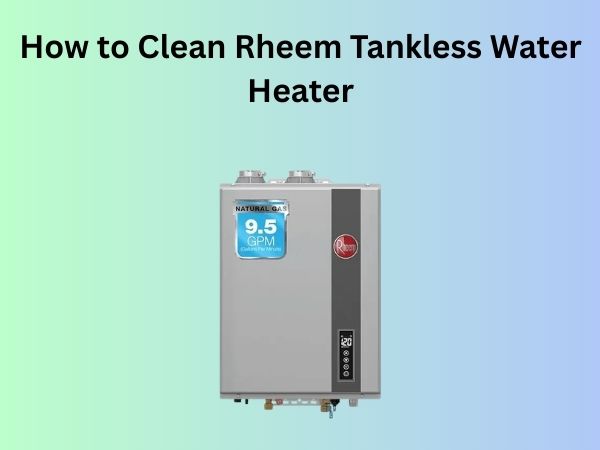
Your Rheem tankless water heater has inlet and outlet service ports. These are typically located on the front or side of the unit. The cold water inlet is usually blue, while the hot water outlet is red. Take a moment to locate these ports and familiarize yourself with their position.
Step 3: Connect Your Cleaning Loop
Here’s where the cleaning loop comes into play. You’ll create a closed system that allows vinegar to circulate through your heater without waste. Connect one hose to the cold water inlet and place it in a bucket containing your submersible pump. Connect another hose to the hot water outlet and place it in an empty bucket.
The vinegar will flow from the bucket through the pump, into your water heater, and back out into the empty bucket. This creates a continuous loop that thoroughly cleans your system.
Step 4: Fill the Bucket with Vinegar
Pour white vinegar into your bucket until you have enough to run the cleaning cycle. The amount depends on your system size, but typically you’ll need between two and four gallons. Check your Rheem manual for specific recommendations for your model.
Step 5: Run the Cleaning Cycle
Now it’s time to turn on your pump and let the vinegar do the work. Turn on your submersible pump and let it run for about 30 minutes. This allows the acidic vinegar to break down mineral deposits and flush them through your system.
During this time, keep an eye on the outlet bucket. You might notice discolored water coming out—that’s the mineral buildup being removed. This is exactly what you want to see.
Step 6: Let It Sit
After running the pump for 30 minutes, turn it off and let the vinegar sit in your system for another 30 minutes to an hour. This gives the acid time to work on any stubborn deposits that the circulation didn’t fully dislodge. It’s like letting a cleaning solution soak on a tough stain—sometimes patience is key.
Step 7: Run the Second Cycle
Turn the pump back on and run another 30-minute cycle. This second pass helps remove any remaining mineral debris and ensures your system is thoroughly cleaned. By the end of this cycle, the water coming out should be clearer than when you started.
Step 8: Flush with Fresh Water
Now it’s time to remove all traces of vinegar from your system. Disconnect the vinegar bucket and replace it with fresh water. Run clean water through your heater for several minutes to rinse out any remaining vinegar or mineral particles. You want to make sure your water heater is vinegar-free before you start using it again.
Step 9: Disconnect the Cleaning Loop
Once you’ve flushed the system with fresh water, carefully disconnect your hoses from the service ports. If you removed any caps or plugs, make sure to reinstall them properly. This prevents any water leaks when you restart your system.
Step 10: Restore Power and Test
Turn your Rheem tankless water heater back on and let it run for a few minutes before turning on a hot water faucet. Check that you’re getting adequate hot water flow and that the temperature is appropriate. Everything should feel noticeably better than before if mineral buildup was the issue.
Professional Cleaning vs. DIY Cleaning
I understand that not everyone feels comfortable performing this maintenance themselves, and that’s perfectly fine. There’s a reason professional technicians exist. If you’re nervous about opening up your water heater or if you have a particularly complex system, hiring a professional might be worth the investment.
A professional service call typically costs between one hundred fifty and three hundred dollars, depending on your location and the extent of the cleaning needed. However, many people find that learning to do this themselves saves money in the long run, especially if they perform the cleaning annually.
Common Mistakes to Avoid When Cleaning Your Rheem Tankless Water Heater
Even when you’re trying to do the right thing, it’s easy to make mistakes. Let me highlight some common pitfalls so you can avoid them.
Using the Wrong Type of Vinegar
Not all vinegar is created equal. Avoid using cleaning vinegar or distilled vinegar with higher acidity levels, as these can be too harsh for your system. Stick with standard white vinegar with about five percent acidity. It’s gentle enough to be safe but strong enough to be effective.
Skipping the Fresh Water Rinse
Some people get excited after the cleaning and fire up their heater without properly rinsing. Leftover vinegar can affect your water quality and taste. Don’t skip this crucial step—rinse thoroughly with fresh water.
Using Too Much Vinegar
More isn’t always better. Follow your manufacturer’s recommendations for vinegar quantity. Using too much won’t clean your system better; it’ll just waste product and potentially cause issues.
Ignoring Temperature Fluctuations
If your water heater is making strange noises or producing inconsistent water temperatures during cleaning, stop immediately and check for problems. These signs might indicate an issue that requires professional attention.
Maintaining Your Rheem Tankless Water Heater Between Cleanings
Regular cleaning is important, but what you do between cleanings also matters. Here are some habits that can extend the life of your system.
Install a Water Softener
If you have hard water, a water softener can dramatically reduce mineral buildup in your tankless heater. While this is an additional investment upfront, it can reduce the frequency of professional cleanings and extend your system’s lifespan significantly.
Regular Filter Replacement
Your system might have a sediment filter that catches larger particles before they enter the heater. Check your manual and replace this filter according to the manufacturer’s schedule, usually every six months to a year.
Monitor Your Water Pressure
Keep an eye on your water pressure. If it starts dropping noticeably, it might indicate mineral buildup. Address this sooner rather than later by scheduling a cleaning.
Check for Leaks Regularly
Periodically inspect the area around your tankless heater for any signs of leaks or water damage. Catching problems early prevents them from becoming major issues.
Signs Your Rheem Tankless Water Heater Needs Cleaning
How do you know when it’s time to break out the vinegar and buckets? Your heater will give you some pretty clear signals.
- Reduced hot water flow or pressure
- Water that takes longer to heat up than usual
- Inconsistent water temperature when you adjust the thermostat
- Strange popping or hissing sounds coming from your unit
- Higher energy bills without explanation
- Error codes displayed on your heater’s screen
If you notice any of these signs, it’s time to consider cleaning your system.
Understanding Your Rheem Water Heater’s Warranty
Before you dive into cleaning, take a moment to review your warranty. Most Rheem tankless water heaters come with warranties that cover manufacturing defects. However, some warranties might require professional maintenance or specifically address what happens if you perform your own maintenance.
I’m not trying to scare you—most manufacturers are fine with homeowners performing basic maintenance like cleaning. Just make sure you understand the terms of your specific warranty to avoid any surprises if you ever need to make a claim.
Conclusion
Cleaning your Rheem tankless water heater isn’t as intimidating as it might seem at first. With the right tools, a clear understanding of the process, and a little patience, you can keep your system running efficiently for years to come. Whether you choose to do it yourself or hire a professional, regular maintenance is absolutely essential if you want to get the most out of your investment.
Think of it this way: spending a couple of hours and a few dollars on cleaning now prevents you from spending hundreds or thousands on repairs later. Your future self will thank you for taking care of this important appliance today. So grab your vinegar, follow these steps, and enjoy the peace of mind that comes with knowing your water heater is in great shape.
Frequently Asked Questions
How long does it take to clean a Rheem tankless water heater?
The entire cleaning process, from start to finish, typically takes between two and three hours. This includes setting up your cleaning loop, running the vinegar cycles, rinsing with fresh water, and disconnecting everything. The actual time can vary depending on how much buildup your system has and how familiar you are with the process. Don’t rush it—taking your time ensures you do the job properly.
Can I use apple cider vinegar instead of white vinegar to clean my water heater?
I wouldn’t recommend it. Apple cider vinegar contains additional compounds and sediments that might not rinse out completely from your system. Stick with standard white vinegar, which is specifically formulated for cleaning purposes and has the right acidity level without any extra particles or residues. It’s inexpensive and readily available, so there’s no reason to experiment with alternatives.
What should I do if I see an error code on my Rheem water heater after cleaning?
Error codes can sometimes appear if vinegar residue or loosened mineral particles trigger the sensors in your system. First, try flushing your system thoroughly with fresh water again. If the code persists after a complete water rinse and a system restart, contact Rheem customer support or a qualified technician. They can help you determine whether the code is related to your cleaning or indicates a different problem.
Is it necessary to hire a professional for descaling, or can I always do it myself?
For most homeowners with basic plumbing skills, doing it yourself is perfectly fine and saves money. However, if you’re uncomfortable working with your plumbing system, lack the necessary tools, or if your unit is still under warranty with professional-maintenance requirements, hiring a professional is the safer choice. It’s not about being unable to do it—it’s about your comfort level and circumstances.
Will cleaning my water heater improve its energy efficiency?
Absolutely. Mineral deposits force your heater to work harder to achieve the desired water temperature, consuming more energy in the process. By removing these deposits through cleaning, your system operates more efficiently. Many homeowners report noticing lower energy bills within the first month after a thorough cleaning. This efficiency improvement is one of the best rewards for taking the time to maintain your system properly.
“`