How to Clean Water Bottle Lids Thoroughly: A Complete Guide to Eliminating Hidden Grime and Bacteria
Why Your Water Bottle Lid Deserves More Attention Than You Think
Have you ever really looked at your water bottle lid? I mean, truly examined it? Most of us grab our bottles, drink throughout the day, and toss them in the dishwasher without giving the lid much thought. But here’s the thing – your water bottle lid is basically a bacterial welcome mat if you’re not careful. It’s one of the most neglected parts of our daily hydration routine, yet it comes into contact with your lips multiple times a day.
Think of your water bottle lid like the doorway to your home. You wouldn’t leave your front door dirty and covered in grime, would you? The same principle applies to the lid that touches your mouth. This guide will walk you through everything you need to know about cleaning water bottle lids thoroughly, so you can enjoy fresh, clean water without worrying about hidden bacteria lurking in the crevices.
Understanding Why Water Bottle Lids Get So Dirty
The Perfect Storm of Moisture and Bacteria
Water bottle lids create an ideal environment for bacterial growth. When you seal a lid on a bottle with moisture still present, you’re essentially creating a humid greenhouse for microorganisms. The combination of water residue, saliva, and air creates conditions where bacteria and mold thrive. It’s not your fault – it’s just basic biology working against you.
The threading on most bottle lids catches water droplets and creates small pockets where moisture can linger. These hidden areas are where the real party happens for unwanted microbes. Over time, organic material builds up in these spaces, creating a biofilm that’s surprisingly resilient.
Why Standard Rinsing Isn’t Enough
Here’s where most people go wrong. They rinse their lids under running water and call it clean. But rinsing only removes loose debris on the surface. It doesn’t address the bacteria that have established themselves in the nooks and crannies. It’s like sweeping your floor without actually removing the dust from the corners – it looks cleaner, but the dirt is still there.
Essential Tools and Materials for Lid Cleaning
Before you start tackling those grimy lids, let’s gather what you’ll need. You probably have most of these items already in your kitchen, which is the best part. You don’t need to buy expensive specialty cleaning products.
- An old toothbrush or small stiff-bristled brush
- Dish soap (any brand works fine)
- White vinegar
- Baking soda
- A small bowl for soaking
- Warm water
- Paper towels or a clean cloth
- Pipe cleaners or bottle brushes (optional but helpful)
- Denture tablets (for tough cleaning jobs)
Step-by-Step Basic Cleaning Method
The Daily Quick Clean
Let’s start with the easiest method – something you can do every single day without much fuss. This method takes about three minutes and will keep your lids in decent shape between deeper cleanings.
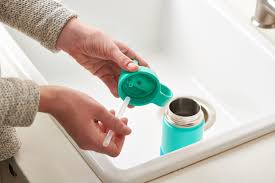
First, separate the lid components if possible. Most modern water bottle lids have removable parts like rubber gaskets, silicone rings, or plastic inserts. Take everything apart. Rinse each component separately under warm running water. Then, grab your old toothbrush and a tiny dab of dish soap. Scrub around the threading and grooves of the lid, paying special attention to where the rubber seal sits. Rinse thoroughly until no soap remains. Finally, lay everything out on a clean cloth to air dry before reassembling.
This quick method prevents buildup from accumulating and keeps your lids fresh-smelling and hygienically sound.
The Weekly Deep Clean
Once a week, your lids deserve a more thorough treatment. This process takes about fifteen minutes and will remove the bacteria and mold that your daily quick clean misses.
Start by disassembling your lid completely. Fill a small bowl with warm water and add two tablespoons of white vinegar. Place all lid components into the bowl and let them soak for thirty minutes. The vinegar is a natural antibacterial and antifungal agent that’s been used for cleaning for centuries. It’s not just folklore – vinegar actually disrupts bacterial cell walls and prevents mold growth.
While your components are soaking, take your toothbrush and inspect the main lid body. You’ll notice that the vinegar solution is already loosening some of the buildup. After thirty minutes, take everything out and scrub each component with your damp toothbrush. Pay extra attention to the threading, the underside of the lid, and any grooves where debris tends to hide. Rinse everything thoroughly and let it air dry completely before reassembling.
Natural Cleaning Solutions That Really Work
The Baking Soda Paste Powerhouse
If you’ve got stubborn stains or visible mold on your lids, baking soda is your secret weapon. Mix three tablespoons of baking soda with just enough water to create a thick paste. This paste should be like peanut butter – not too wet, not too dry.
Apply this paste generously to your lids, making sure to work it into all the crevices. Let it sit for ten minutes. The mildly abrasive nature of baking soda combined with its natural deodorizing properties makes it perfect for lifting stubborn gunk. Scrub with your toothbrush and rinse well. Your lids will emerge looking noticeably cleaner and smelling fresh.
The Vinegar and Baking Soda Reaction
For really tough problems, combine vinegar and baking soda. Sprinkle baking soda directly onto your damp lids, then spray white vinegar over the top. You’ll see it fizz and bubble – that’s the magic happening. This chemical reaction breaks down organic buildup and kills bacteria effectively. Let it work for five minutes, then scrub thoroughly with your toothbrush. The combination is stronger than either ingredient alone.
Denture Tablet Method for Heavy Duty Cleaning
Denture tablets are formulated to clean items in environments similar to your mouth. That makes them surprisingly effective for water bottle lids. Drop your disassembled lid components into a cup of water with one denture tablet and let them soak for four hours or overnight. The enzymes in denture tablets break down organic matter and kill bacteria without harsh chemicals.
How Often Should You Really Clean Your Water Bottle Lids
The frequency depends on your usage patterns and environment. If you’re using the same water bottle daily without replacing it, you should do a quick rinse every single day and a thorough cleaning at least once weekly. If you alternate between multiple bottles or you rarely use the same bottle twice before washing everything, a weekly cleaning might be sufficient.
However, if you notice any smell, visible mold, or discoloration, clean immediately regardless of when you last cleaned. Don’t wait for your scheduled cleaning time if something seems wrong.
Deep Cleaning Techniques for Different Lid Types
Screw-Top Lids
Screw-top lids are particularly prone to trapping moisture because the threading creates natural pockets. Disassemble completely and soak all components in vinegar solution for at least one hour. Use a small stiff brush or even an old electric toothbrush to clean the threading. An old toothbrush works wonderfully here because the small bristles can reach into those tight spirals.
Flip-Top and Push-Button Lids
These lids have moving parts that accumulate grime quickly. Soak them fully and use a thin brush or pipe cleaner to reach inside the mechanism. Don’t force any parts – let your cleaning solution do the work. Sometimes you need to soak these longer than other types because the moisture gets trapped inside the mechanism itself.
Sport Bottle Spout Covers
The removable spout covers on sport bottles need special attention. These often develop a distinctive moldy taste because the spout itself is hard to reach. Soak them in vinegar, then use a thin pipe cleaner or even a straw to clean inside the spout opening. If mold has established itself inside, you might need to let it soak overnight.
Preventing Future Buildup and Contamination
Drying Is Just as Important as Cleaning
Here’s something many people overlook – your lids need to be completely dry before you reassemble them and store them. Any remaining moisture creates the perfect breeding ground for mold and bacteria. After cleaning, lay all components on a clean cloth in a warm, well-ventilated area. If you have them, sit them upside down so water can drip away. Never put a wet lid back on your bottle.
Storage Tips for Cleaner Lids
Store your water bottle with the lid off whenever possible. This allows air to circulate and prevents moisture from getting trapped. If you must store it with the lid on, make absolutely sure both the bottle and lid are completely dry. Store bottles in a cool, dry location away from direct sunlight, which can encourage mold growth in warm, damp conditions.
Using Your Bottle Correctly
Some habits contribute to faster contamination. Avoid leaving water sitting in your bottle for extended periods, especially in warm environments. Don’t put sugary drinks or milk in your water bottle if the lid isn’t designed for such beverages – the residue feeds bacterial growth. If you use your bottle for sports or outdoor activities, rinse it as soon as possible after use.
Common Mistakes People Make When Cleaning Lids
Mistake One: Putting the Lid in the Dishwasher and Calling It Done
The dishwasher doesn’t get inside those tight crevices effectively. The heat and water spray mostly clean the exterior surfaces, leaving bacteria thriving in the threading and grooves. If you use the dishwasher, follow it up with manual cleaning.
Mistake Two: Using Boiling Water as the Only Cleaning Method
While boiling water kills some bacteria, it doesn’t remove buildup or the protective biofilm that bacteria create. Boiling should be one tool in your toolkit, but not your only tool. Always combine it with scrubbing and soaking.
Mistake Three: Not Fully Disassembling Before Cleaning
If you leave rubber gaskets, silicone rings, or inserts attached while cleaning, you’re missing the most contaminated areas. These removable parts come into direct contact with your mouth and need individual attention. Take five extra seconds to take everything apart.
Mistake Four: Reassembling Before Complete Drying
This is the most common mistake that people make repeatedly. They clean thoroughly, do a great job, then immediately reassemble while everything is still damp. This traps moisture right back in those crevices you just cleaned. Have patience and wait for complete drying.
Special Considerations for Different Materials
Plastic Lids
Plastic lids can absorb stains and odors over time. Vinegar and baking soda are particularly effective on plastic. Avoid using abrasive scrubbers that might scratch the plastic and create new places for bacteria to hide. If staining persists, denture tablets can help remove discoloration.
Stainless Steel Lids
Steel lids are durable and generally easier to clean. You can use slightly more aggressive cleaning methods without worry. However, avoid bleach, which can corrode steel. Vinegar works wonderfully on steel and leaves it looking shiny and clean.
Silicone Seals and Rubber Gaskets
These components require gentle handling. They’re essential for maintaining a good seal, but they’re also where mold loves to hide. Soak them longer than other components and inspect them closely for any signs of deterioration. If you notice cracking, splitting, or permanent discoloration, replace them even if they still function.
Dealing with Tough Stains and Persistent Odors
White Vinegar Overnight Soak
For stubborn stains that won’t budge, try an overnight vinegar soak. Fill a cup with white vinegar, submerge your lids completely, and leave them overnight. The extended exposure to vinegar’s acidity will break down stains that shorter soaks miss. In the morning, your lids will look noticeably cleaner.
The Lemon Juice and Baking Soda Combination
Lemon juice is acidic like vinegar but often more pleasant smelling. Make a paste with lemon juice and baking soda, apply it to your stained lids, and let it sit for fifteen minutes. The citric acid combined with the mild abrasive action of baking soda tackles tough stains effectively. Your lids will also smell fresh and citrusy.
When Professional Replacement Is Better Than Cleaning
If your lids have developed permanent odors that no amount of cleaning seems to eliminate, or if you see permanent discoloration that doesn’t affect function, it might be time to replace them. Water bottle lids are inexpensive, and if you’ve had the same ones for years, replacement might be more practical than ongoing intense cleaning efforts.
The Science Behind Why These Methods Work
Understanding why these cleaning methods are effective helps you use them properly. Vinegar works because its acetic acid denatures the proteins that bacteria use to attach themselves to surfaces. Baking soda is mildly abrasive and alkaline, which disrupts bacterial cell walls. The fizzing reaction when you combine vinegar and baking soda creates mechanical action that physically dislodges debris.
Dish soap works by breaking the surface tension of water, allowing it to penetrate into crevices more effectively. Denture tablets contain enzymes that break down organic matter specifically designed to work in your mouth’s environment – the same conditions present in your water bottle.
Conclusion
Cleaning your water bottle lids thoroughly isn’t complicated, but it does require consistency and attention to detail. Your water bottle lid is one of the most frequently touched surfaces in your daily routine, making proper cleaning genuinely important for your health and hygiene. The methods outlined in this guide – from quick daily rinses to deep weekly cleanings with natural ingredients – will keep your lids fresh, clean, and bacteria-free.
The key is making it a habit. Build lid cleaning into your regular water bottle maintenance routine. Disassemble fully, soak when possible, scrub those hidden crev