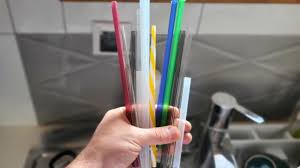
How to Clean Water Bottle Straw Without Damage: A Complete Guide
Let’s be honest—cleaning water bottle straws is one of those tasks that most of us dread. You fill up your reusable water bottle, take it with you everywhere, and by the end of the day, you’ve got residue, mineral deposits, and who knows what else hiding inside that narrow tube. It’s like trying to see into the deepest part of a well without proper lighting. But here’s the thing: keeping your straws clean isn’t just about hygiene, it’s about extending the life of your favorite water bottle and actually enjoying using it again.
In this comprehensive guide, I’m going to walk you through everything you need to know about cleaning water bottle straws effectively and safely. Whether you’re dealing with stubborn stains, mineral buildup, or just want to maintain your straws in pristine condition, you’ll find practical solutions right here.
Why Cleaning Your Water Bottle Straw Matters More Than You Think
Before we dive into the how, let’s talk about the why. Your water bottle straw might seem like a small component, but it’s actually a bacteria magnet if left uncleaned. Think about it—you’re drawing liquid through a narrow tube multiple times a day. Any liquid that doesn’t completely drain sits in there, creating the perfect environment for mold and bacteria to thrive.
Beyond hygiene, a clean straw enhances your drinking experience. You won’t taste that stale, funky flavor that develops when straws aren’t properly maintained. Plus, regular cleaning prevents permanent staining and damage that can make your straws look worn out way before their time.
The Risks of Ignoring Straw Maintenance
- Mold and mildew growth inside the straw
- Bacterial colonies that cause odors
- Permanent discoloration from mineral deposits
- Shortened lifespan of your straws
- Unpleasant taste affecting your drinking experience
Essential Tools and Materials You’ll Need
Before you start cleaning, gather your supplies. The good news? You probably already have most of these items at home. You don’t need expensive specialty products to get the job done right.
The Must-Have Straw Cleaning Tools
The star player in straw cleaning is the straw brush. These thin, long-handled brushes are specifically designed to reach inside your straws and scrub away buildup. Look for brushes made from soft nylon bristles rather than stiff synthetic materials—they’re gentler on your straws while still being effective.
You’ll also want to have a dedicated container for soaking, soft sponges for gentle scrubbing, and clean cloth towels for drying. A small cutting board or wooden spoon can even serve as a holder when you need to stand straws upright while cleaning.
Optional But Helpful Supplies
- White vinegar for mineral deposit removal
- Baking soda for natural scrubbing power
- Denture cleaning tablets for deep cleaning
- Small pipe cleaners as emergency alternatives
- Rice for natural abrasive scrubbing
The Basic Daily Cleaning Method
Let’s start with the simplest approach—the daily cleaning routine that should become second nature. This method takes just a few minutes and prevents buildup from ever becoming a serious problem.
Step-by-Step Daily Cleaning Process
First, immediately after using your water bottle, rinse the straw under warm running water. Don’t wait until later when any residue has dried. Warm water helps dissolve whatever was in your bottle and makes cleaning easier.
Next, take your straw brush and insert it into the straw while it’s still wet. Use gentle, circular motions to scrub the interior walls. This is where that soft-bristled brush really shines. You’re not trying to power through anything—just dislodging anything that might stick around. Rinse again thoroughly under running water.
Finally, stand your straws upright in a cup or holder where air can circulate around them completely. This prevents moisture from being trapped inside, which is where mold loves to hide.
Pro Tips for Daily Maintenance
- Clean your straws immediately after use, not later
- Use water as hot as you can comfortably handle
- Brush with gentle pressure to avoid damaging the straw material
- Always ensure straws are completely dry before storing
- Store straws in a breathable container, not sealed
Deep Cleaning for Stubborn Stains and Mineral Deposits
Sometimes daily cleaning isn’t enough. Maybe you’ve neglected your straws for a while, or you’re dealing with hard water mineral buildup that regular brushing won’t remove. That’s when it’s time to bring out the heavy artillery.
The White Vinegar Soak Method
White vinegar is like a secret weapon against mineral deposits. The acidity in vinegar breaks down calcium and magnesium buildup that makes your straws look cloudy or stained.
Fill a glass or container with equal parts white vinegar and warm water. Place your straws in this solution and let them soak for at least two hours. If you’re dealing with really stubborn deposits, leave them overnight—there’s no harm in extended soaking.
After soaking, use your straw brush to gently scrub away any loosened deposits. You’ll be amazed at how much easier this is compared to trying to scrub mineral buildup without softening it first. Rinse thoroughly with clean water multiple times to remove all vinegar smell.
Baking Soda Paste for Extra Scrubbing Power
Baking soda is a gentle abrasive that actually works on tough stains without scratching your straws. Mix baking soda with a small amount of water to create a thick paste.
Dip your damp straw brush into this paste and use it to scrub the interior of your straws. The paste is gritty enough to break down stains but gentle enough that you don’t have to worry about damaging delicate materials like bamboo or certain plastics.
Work in circular motions, spending extra time on areas where you notice discoloration. Rinse very thoroughly afterward—you don’t want baking soda residue left inside.
The Denture Tablet Overnight Soak
Here’s a trick that many people don’t know about: denture cleaning tablets work wonders on water bottle straws. These tablets are specifically formulated to remove stains and kill bacteria without harsh chemicals.
Drop a denture tablet into a container of water, add your straws, and let them soak overnight. The effervescence does a lot of the work for you, reaching into crevices that brushing alone might miss. In the morning, give them a quick brush and rinse, and you’ll notice a significant improvement in their appearance and smell.
Cleaning Different Straw Materials
Not all straws are created equal, and they shouldn’t all be cleaned the same way. The material of your straw determines what methods are safest and most effective.
Stainless Steel Straws
Stainless steel straws are durable and can handle vigorous cleaning. You can use your straw brush with firm pressure, and they won’t scratch or wear down. These are ideal candidates for the vinegar soak method because vinegar won’t damage stainless steel.
In fact, stainless steel straws are some of the easiest to maintain. The biggest advantage? They don’t stain easily, and they dry quickly, so mold and mildew are less likely to develop.
Bamboo and Wooden Straws
Now, bamboo and wooden straws require a gentler touch. These natural materials can absorb liquids, and if you’re not careful, they can develop mold inside their structure. Always use the softest bristled brush available when cleaning these.
Avoid letting bamboo straws soak for extended periods in water or vinegar solutions. A quick dip and gentle brush is sufficient. Make absolutely sure they’re completely dry before storing. Some people prefer to store these straws standing upright in a well-ventilated area rather than sealed in a container.
Silicone and Plastic Straws
Silicone and plastic straws can be sensitive to extreme temperatures and harsh scrubbing. Use warm, not hot, water, and employ gentle brush strokes. These materials can absorb odors more readily than metal, so you might find yourself using the baking soda or vinegar methods more frequently.
Avoid abrasive scrubbers or scouring pads that might leave permanent marks or micro-scratches where bacteria could hide.
Glass Straws
Glass straws are beautiful but require care to prevent breakage. Clean them gently with soft brushes, and be especially cautious when rinsing with very hot water, as temperature changes can stress the glass.
Glass doesn’t stain or absorb odors, making it one of the easiest materials to maintain long-term. However, always inspect for small cracks after cleaning, as these can harbor bacteria.
Dealing with Stubborn Odors and Discoloration
Despite your best efforts, sometimes straws develop odors or discoloration that seems impossible to remove. Don’t give up—there are still solutions.
The Rice Scrubbing Method
This is an unconventional but remarkably effective technique. Place uncooked rice inside your straw along with a small amount of water. Cap one end with your finger and shake vigorously for about a minute. The rice grains act as a natural abrasive, scrubbing the interior walls without causing damage.
Rinse completely and repeat if necessary. This method works especially well for straws that have residue stuck in hard-to-reach spots.
Activated Charcoal Treatment
Activated charcoal is excellent at absorbing odors. Soak your straws in water with a piece of activated charcoal for a few hours. The charcoal will pull out stubborn smells that nothing else seems to touch.
This is particularly useful if your straws have been sitting in a closed container or if you’ve accidentally left them damp for too long.
Citrus Acid Power
The citric acid in lemon juice works similarly to vinegar but with a fresher smell. Cut a fresh lemon in half and rub the cut edge along your straw brush bristles, then scrub the interior of your straws. The natural acidity breaks down mineral deposits while leaving a pleasant scent.
Creating a Sustainable Straw Cleaning Routine
The best way to keep your straws in excellent condition is to establish a routine you’ll actually stick with. Make it easy and it becomes automatic.
Daily Habits That Make a Difference
Set up a designated straw cleaning station near your sink. Keep your brush, a small container, and a cloth towel all in one spot. When you finish using your bottle, immediately head to this station and give your straws a quick rinse and brush. This takes literally two minutes, but it prevents hours of scrubbing later.
Make drying properly part of your routine. Don’t just rinse and put the straws away—give them time to air dry completely. Keep them in a cup or holder where air can access all sides.
Weekly Deep Clean Schedule
Even with daily care, schedule a deep clean once a week. This could be a vinegar soak on Sunday evening or a baking soda scrub on Thursday. Consistency prevents minor issues from becoming major problems.
If you use your water bottle daily, weekly deep cleaning is genuinely worth the small investment of time and effort.
Storage Solutions for Clean Straws
How you store your clean straws matters just as much as how you clean them. Poor storage can undo all your cleaning work.
The Best Storage Practices
- Store straws upright in a container with open top
- Ensure air can circulate completely around each straw
- Never store damp or even slightly moist straws
- Keep in a cool, dry place away from direct sunlight
- Consider using a dedicated straw holder designed for this purpose
A simple solution is to keep your straws in a tall glass or cup on your counter near your water bottle. This way, they’re visible, easily accessible, and getting air circulation from all sides. If you prefer to keep them hidden, choose a breathable container rather than a sealed box or drawer.
When It’s Time to Replace Your Straws
Even with perfect care, straws don’t last forever. Knowing when to retire them is important for your health and hygiene.
Signs Your Straws Need Replacing
If you notice cracks, especially in glass or brittle materials, it’s time to replace them. Tiny cracks are where bacteria hides and multiplies. Permanent staining that won’t come out despite repeated cleaning attempts is another sign to let them go.
If bamboo straws start to develop soft spots or discoloration that penetrates deep into the material, they’ve likely absorbed bacteria into their structure and should be retired. Trust your instincts—if something looks wrong, it probably is.
Common Mistakes to Avoid
Learning what not to do is just as important as learning what to do. Here are mistakes that people commonly make with their straws.
The Biggest Straw Cleaning Mistakes
- Cleaning straws only once a week instead of daily
- Storing damp straws in sealed containers
- Using water that’s too hot for delicate materials
- Scrubbing too hard and damaging the straw material
- Soaking all straw materials in vinegar for extended periods
- Not rinsing completely, leaving cleaning solution residue inside
- Storing straws near other items that trap moisture
The most common mistake I see is people cleaning their straws inconsistently or leaving them sitting in the bottle for days. Once you start with daily cleaning, you’ll wonder why you didn’t do it sooner.
Eco-Friendly Cleaning Alternatives
If you’re using reusable straws because you care about the environment, you probably want your cleaning methods to be eco-friendly too. Great news—the methods I’ve mentioned are already quite sustainable.
Natural Cleaning Agents
White vinegar, baking soda, lemon juice, and denture tablets are all either entirely natural or contain minimal chemicals. You’re not creating pollution through your straw maintenance, which aligns perfectly with the reason you switched to reusable straws in the first place.
Avoid commercial bleach-based cleaners or harsh chemical solutions. They’re unnecessary for straw cleaning and create environmental damage that defeats your eco-friendly purpose.
Professional Straw Cleaning Products Worth Considering
While natural methods work beautifully, a few commercial products are specifically designed for straw cleaning and are worth the investment if you prefer convenience.