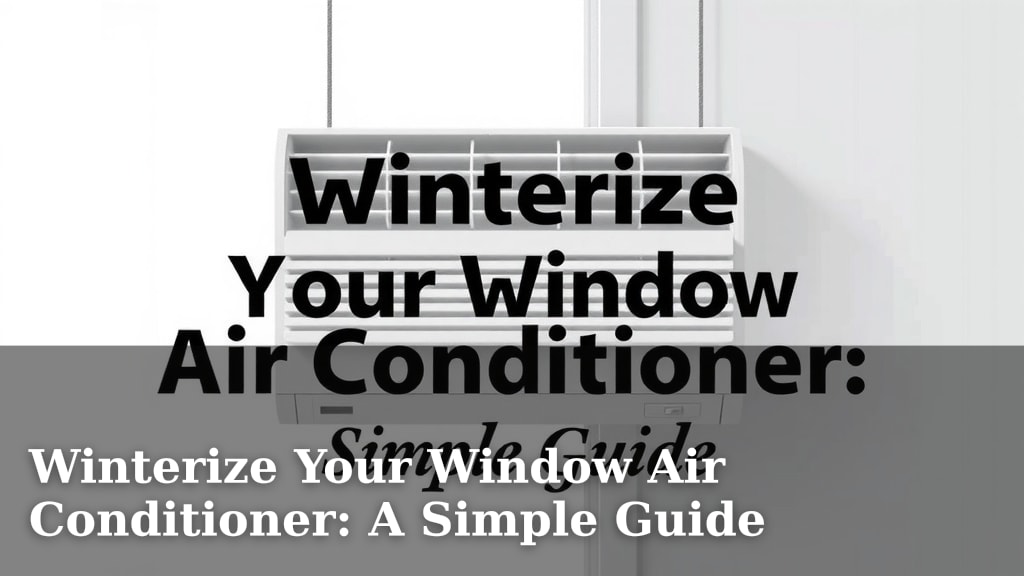
Winterize Your Window Air Conditioner: A Simple Guide
Yes, you should absolutely cover your window air conditioner for winter. Properly covering your AC unit prevents cold drafts from entering your home. It also protects the unit from harsh weather damage, saving you money on heating bills and potential repairs.
Ignoring this simple step can lead to unwanted heat loss. It also exposes your AC to ice, snow, and debris. Many homeowners have found that a good winter cover is a smart investment. It keeps your unit safe and your home cozy all winter long.
TL;DR:
- Cover your window AC to stop cold air from coming in.
- Protect your unit from snow, ice, and winter weather.
- Save money by reducing heat loss and preventing damage.
- A winter cover is a small step with big benefits.
Below, we’ll walk you through the best ways to cover your window air conditioner for winter.
Your window air conditioner has worked hard all summer. Now that the cold weather is rolling in, it’s time to give it a rest. But simply leaving it bare isn’t the best idea. Think of it like leaving your car out in a blizzard without a cover. It’s just asking for trouble!
Preparing Your AC Unit for Its Winter Nap
Before you even think about putting on a cover, you need to get your AC unit ready. This involves a few simple steps. Doing this prep work now means less hassle later. It also helps ensure your unit is in good shape for next spring. We’ve found that a little effort upfront pays off big time.
Step 1: Clean Your Air Conditioner
You wouldn’t want to store dirty clothes, right? The same applies to your AC. Dust, dirt, and debris can build up over time. This can lead to mold or mildew if left unchecked. Research suggests that cleaning your AC unit regularly can improve its efficiency (Energy Star).
Take off the front grille. Gently wipe down the fins and fan blades. Use a damp cloth with a mild detergent. Make sure everything is completely dry before proceeding. This step is super important for preventing any funky smells when you turn it on again next year.
Step 2: Ensure It’s Fully Dry
Moisture is your enemy when it comes to storing appliances. If there’s any lingering water inside or outside your unit, it could freeze. This freezing and thawing cycle can cause damage. It might even crack the plastic components.
We recommend letting your unit air dry completely for a day or two. You can also use a clean, dry towel to wipe down any accessible parts. Getting it bone dry is a key step. It protects the internal workings from the harsh winter elements.
Step 3: Disconnect the Power
Safety first, always! Before you do anything else, make sure the unit is unplugged from the wall. It’s a simple step, but easy to forget. Never work on an appliance that is still connected to power. Many electrical safety guidelines stress this point (OSHA).
Double-check the plug. Ensure it’s fully out of the socket. This prevents any accidental power surges or your unit accidentally turning on. It’s an extra layer of protection for both you and the appliance.
Choosing the Right Winter Cover for Your Window AC
Now that your unit is clean and dry, it’s time to think about the cover. There are a few options out there. The best choice for you depends on your needs and your window. We found that the most common types are store-bought covers and DIY solutions.
Option 1: Pre-Made AC Winter Covers
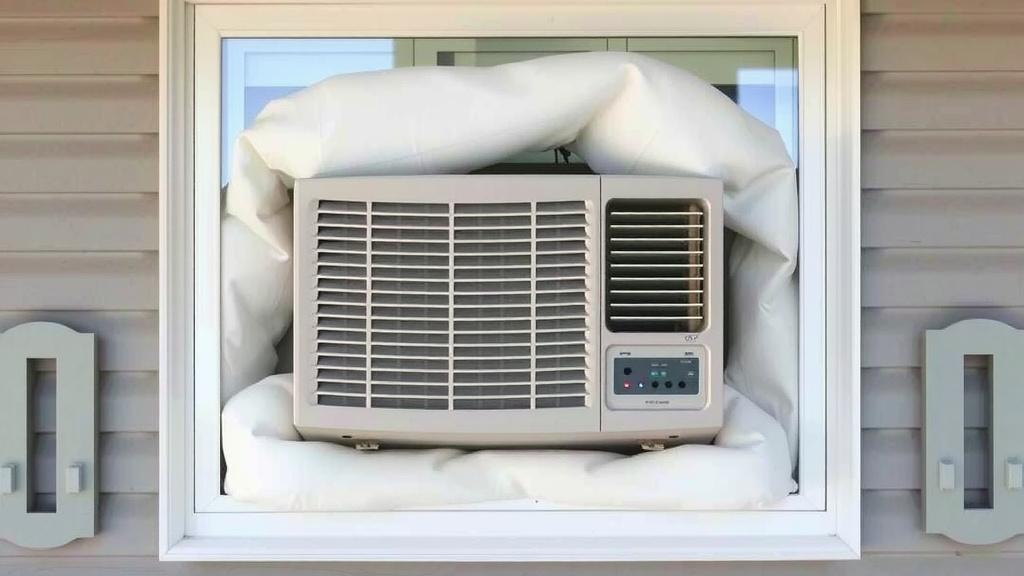
These are specifically designed for window air conditioners. They come in various sizes to fit most units. Most are made from durable, waterproof materials like heavy-duty vinyl or treated canvas. They usually have an elastic hem or ties to secure them.
Benefits of Pre-Made Covers:
- Easy to Use: Just pull it over the unit and secure it.
- Good Protection: Designed to withstand snow, ice, and wind.
- Aesthetic Appeal: Often look tidier than DIY options.
- Variety: Available in different materials and styles.
Many homeowners prefer these because they take the guesswork out of it. They are a straightforward solution. We found that a cover with a snug fit is best. It stops drafts from sneaking in.
Option 2: DIY Winter Covers
If you’re feeling crafty or can’t find a pre-made cover that fits, you can make your own. This usually involves using a heavy-duty tarp or thick plastic sheeting. You’ll also need some rope or bungee cords to secure it tightly.
How to Create a DIY Cover:
- Gather your materials: a large tarp or plastic sheeting, strong rope or bungee cords.
- Ensure the tarp is large enough to cover the entire unit, including the sides that stick out the window.
- Drape the tarp over the AC unit.
- Pull it snug and tie it off securely with the rope or bungee cords. Make sure there are no loose ends that could flap in the wind.
This method can be more budget-friendly. It also allows you to customize the fit perfectly. Just be sure the material you choose is waterproof and durable enough for winter weather. Experts recommend avoiding materials that can easily tear.
How to Properly Install Your AC Winter Cover
Installing the cover correctly is just as important as choosing the right one. A loose cover won’t offer much protection. It might even blow off in a strong wind.
Securing the Unit from the Outside
Most window AC units stick out from the window frame. This exterior part is most vulnerable. Your cover needs to shield this section completely. If you have a pre-made cover, follow its specific instructions. Usually, this involves pulling the cover down snugly.
For DIY covers, make sure the tarp wraps around the entire protruding unit. Secure it tightly using rope or bungee cords. Wrap the cords around the unit and tie them off. You want a firm fit. This prevents wind and moisture from getting underneath. Many sources suggest checking the fit periodically throughout winter.
Sealing Drafts from the Inside
Even with an external cover, cold air can still find its way in. The gap between the AC unit and the window frame is a common culprit. You need to seal this area from the inside.
You can use insulating materials for this. Products like foam insulation tape or weather stripping work well. These are readily available at hardware stores. Simply apply them around the edges where the AC unit meets the window. Some people also use thick blankets or towels stuffed into the gaps. This creates an extra barrier. Doing this can make a noticeable difference in your heating bill. We found that a good seal is key to keeping your home warm.
Check Your Work: A Quick Checklist
Before you leave your AC to its winter slumber, do a final check.
- Is the unit completely covered?
- Is the cover securely fastened and snug?
- Are there any gaps or openings around the edges?
- Have you sealed the interior gaps from the inside?
- Is the power cord safely tucked away?
Taking these few moments can save you a lot of trouble down the road. It ensures your AC is protected and your home stays warm and draft-free. It’s a small effort for significant peace of mind.
Conclusion
You’ve learned how to protect your window AC for the winter. Properly preparing and covering your unit stops cold drafts. It also shields the appliance from snow and ice damage. We’ve seen that a little effort now saves you money and hassle later. It ensures your AC is ready for action next spring. Your next step is to gather your supplies and get your unit winter-ready!
Frequently Asked Questions
Do I really need to cover my window AC?
Yes, it’s highly recommended. Covering your window AC prevents cold air from entering your home, which helps save on heating costs. It also protects the unit from moisture, ice, and debris that can cause damage over time.
What’s the best way to clean my AC before covering it?
Start by unplugging the unit. Remove the front grille and gently wipe down the fins and fan blades with a damp cloth and mild detergent. Ensure all parts are completely dry before you cover it to prevent mold or mildew.
Are store-bought AC covers better than DIY ones?
Both have their pros. Store-bought covers are convenient and often look tidier. DIY covers can be more budget-friendly and offer a custom fit. The best option for you depends on your preference and what’s available.
How do I make sure the cover is secure against wind?
Whether using a pre-made cover or a tarp, ensure it’s pulled snug. Use the provided ties, elastic hem, or strong rope/bungee cords to secure it tightly around the unit. Check periodically throughout winter to make sure it hasn’t loosened.
What can I do about drafts coming from inside the window?
Even with an external cover, drafts can enter. Seal the gaps between the AC unit and the window frame from the inside. Use weather stripping, foam insulation tape, or even thick towels stuffed into openings for an extra barrier.
![7 Best Window Seal For Portable Air Conditioner [2026]](https://bathroomexplorer.com/wp-content/uploads/2026/07/7-best-window-seal-for-portable-air-conditioner-2026-featured-768x432.jpg)
![7 Best Portable Large Room Air Conditioner [2026]](https://bathroomexplorer.com/wp-content/uploads/2026/06/7-best-portable-large-room-air-conditioner-2026-featured-768x432.jpg)
![7 Best Small Through The Wall Air Conditioner [2026]](https://bathroomexplorer.com/wp-content/uploads/2026/06/7-best-small-through-the-wall-air-conditioner-2026-featured-768x432.jpg)